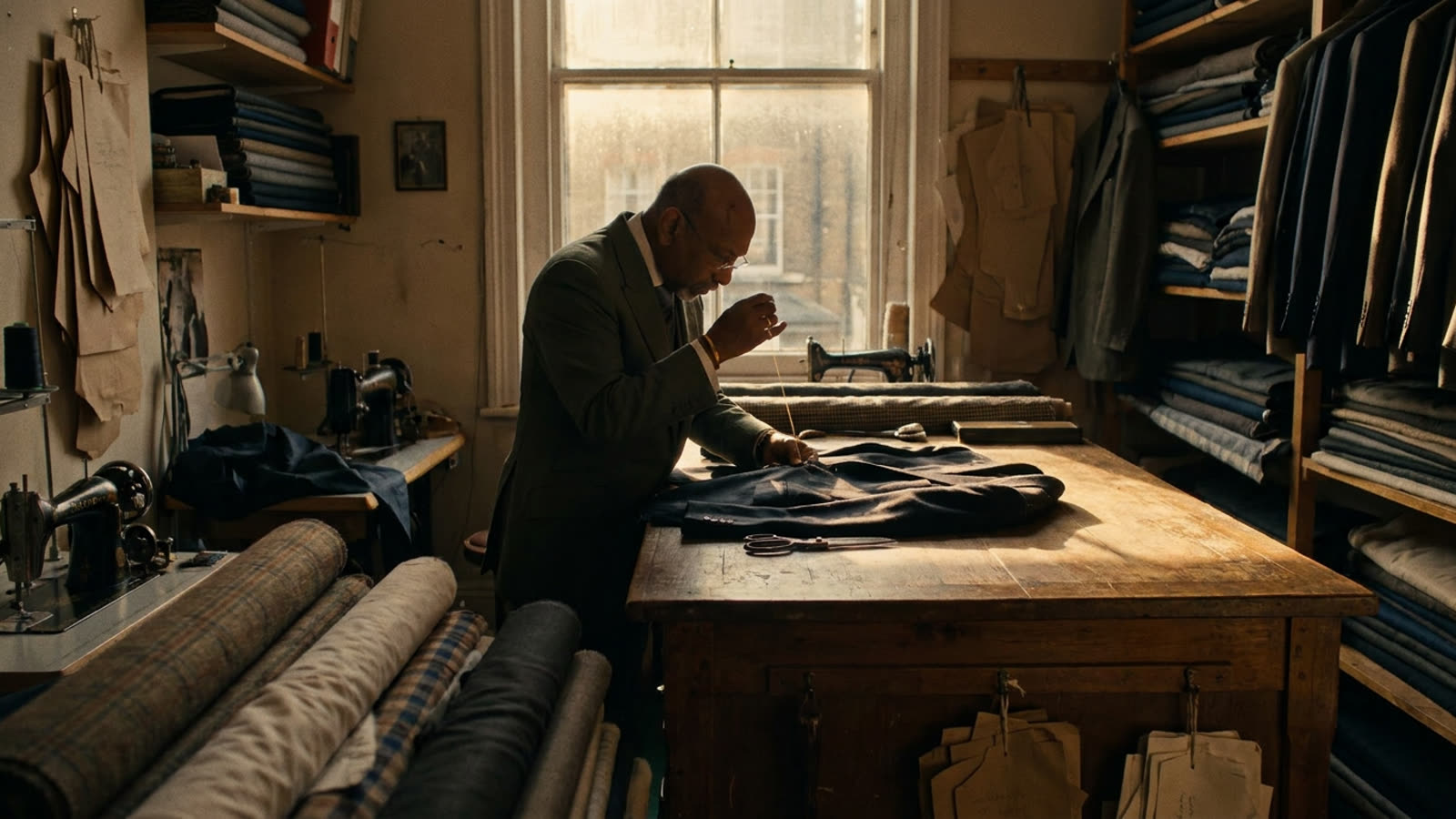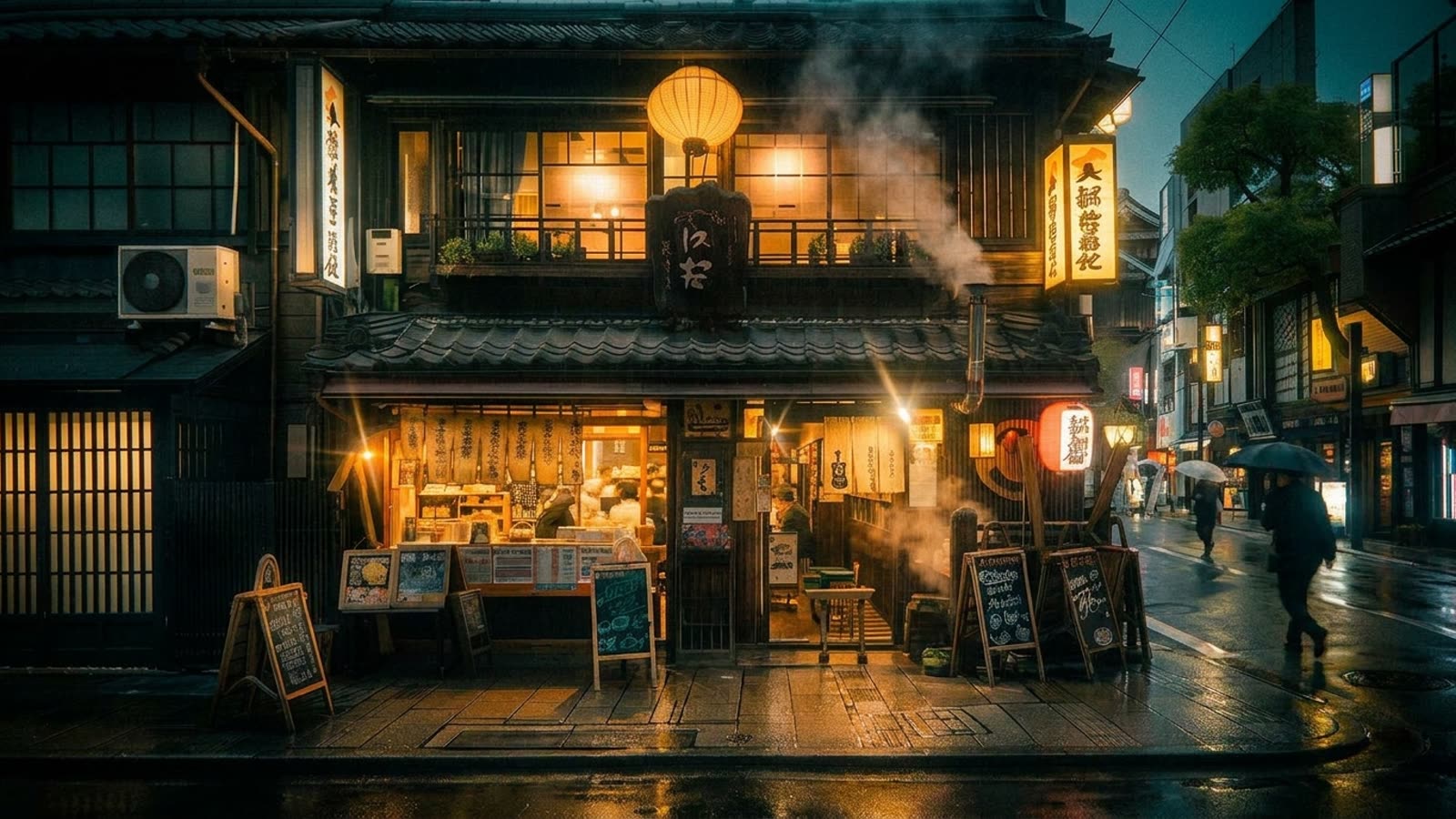
The kissaten is not trying to optimize your morning. There is no mobile ordering, no loyalty app, no oat milk. The coffee arrives in a porcelain cup, often with a small dish of peanuts or a wedge of cake, and you are expected to sit with it for as long as you please. The WiFi password, if one exists, is not advertised. This is the point.
Japan's traditional coffee houses emerged in the early twentieth century as spaces for intellectuals, artists, and anyone seeking refuge from the velocity of modern life. By the postwar decades, kissaten had proliferated into every neighborhood—dim, wood-paneled rooms where jazz or classical music played on expensive speakers and the master behind the counter practiced a craft measured in decades, not barista certifications. Then came Starbucks in 1996, then Doutor and Tully's, then the specialty roasters with their single-origin obsessions. The kissaten was supposed to become a museum piece.
The arithmetic of survival
The numbers tell a story of decline that somehow never reaches extinction. Industry surveys consistently show kissaten closures outpacing openings, with the total count falling steadily since its peak in the 1980s. Yet thousands remain, concentrated in Tokyo's older neighborhoods, Osaka's covered arcades, and provincial cities where chain penetration is lower. Many are run by proprietors in their seventies and eighties who have no succession plan and no interest in one. When they close, the space becomes a convenience store or a bubble tea shop. But new kissaten also open—younger entrepreneurs drawn to the aesthetic, the pace, the rejection of scale.
The economics are counterintuitive. A kissaten charges roughly the same as a Starbucks for a cup of coffee but serves far fewer customers per hour. The furniture is expensive to maintain. The rent in desirable neighborhoods is brutal. What makes survival possible is precisely what makes the format anachronistic: low labor costs because the owner is the only employee, no franchise fees, no corporate overhead, and customers who stay long enough to order a second cup or a sandwich. The kissaten is a small-margin business that works only when it remains small.
The aesthetic of refusal
What the kissaten offers is increasingly rare: a commercial space that does not want your data, your engagement, or your return visit optimized by algorithm. The dim lighting is not Instagram-friendly. The lack of electrical outlets discourages laptop workers. The elderly master who remembers your order is not a customer-relationship-management system but a human being who has been doing this for forty years.
This refusal has become, paradoxically, attractive to a generation exhausted by optimization. Young Japanese and foreign visitors seek out kissaten not despite their inconvenience but because of it. The appeal is the same impulse driving vinyl record sales and film photography: a desire for friction, for experiences that cannot be replicated or scaled. The kissaten is not efficient, and efficiency has become suspicious.
Our take
The kissaten will continue to close, one by one, as its proprietors age out of the profession. This is not a tragedy to be reversed by government subsidy or heritage designation. It is the natural lifecycle of a cultural form that was never meant to be preserved in amber. What matters is that the kissaten idea persists—the notion that a commercial space can prioritize presence over throughput, that a cup of coffee can be an end rather than a means. Every city needs places that refuse to be optimized. The kissaten is one answer to a question we are only beginning to ask.