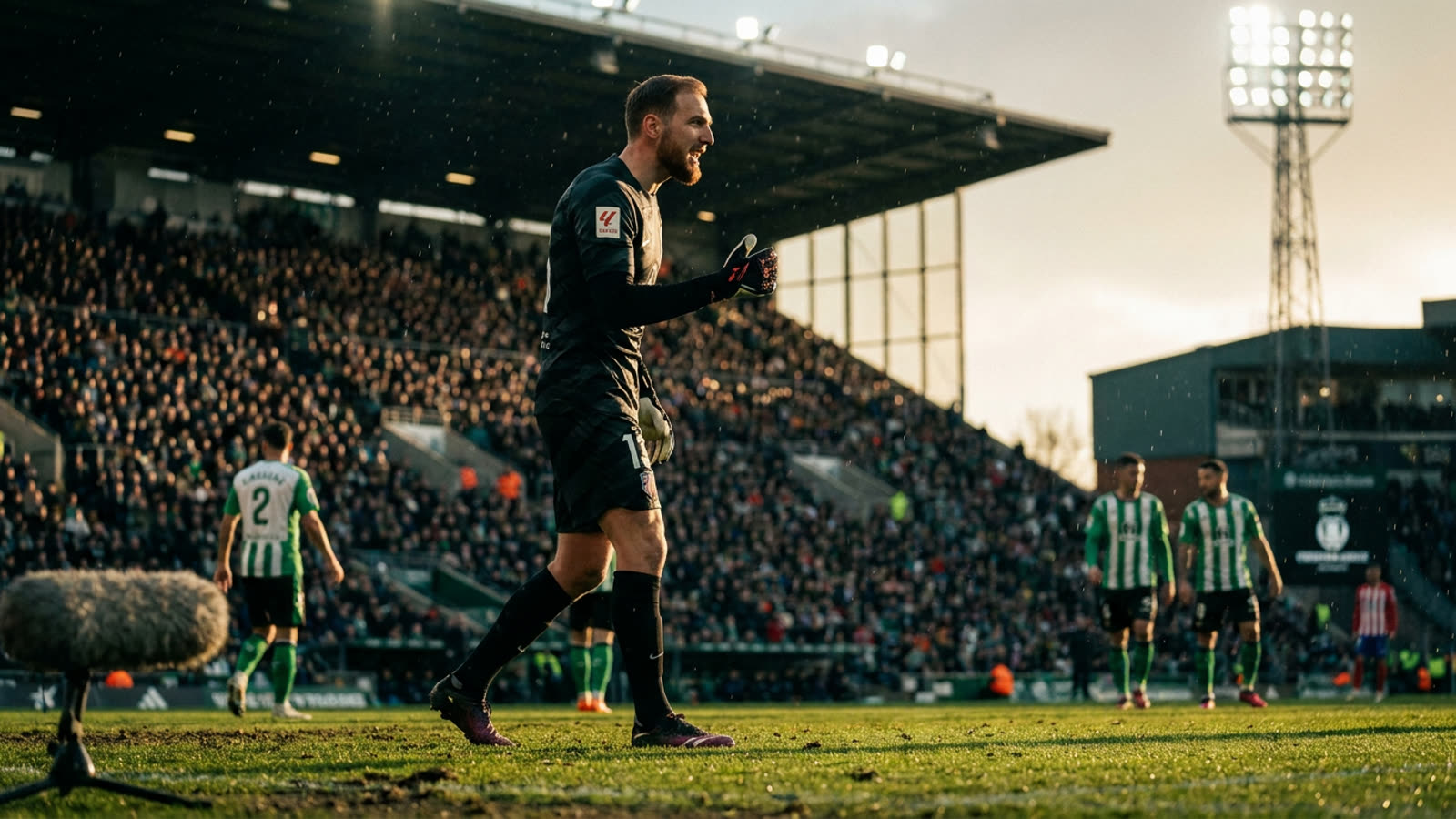
The modern goalkeeper is expected to be a content creator. He must produce diving saves that trend on social media, sweeper-keeper rushes that commentators can label "Neuerian," and the occasional assist from a sixty-yard throw. Jan Oblak has spent the better part of a decade refusing this job description, and the result is one of the most statistically dominant careers in the history of the position—achieved in near-total obscurity outside Spain.
Oblak's Atlético Madrid concedes goals the way a miser parts with coins: reluctantly, rarely, and only after exhaustive deliberation. Since arriving from Benfica in 2014, the Slovenian has won La Liga's Zamora Trophy—awarded to the goalkeeper with the lowest goals-conceded-per-game ratio—a record-breaking five times. In several of those campaigns, his average dipped below 0.70 goals per match, a figure that borders on the absurd in an era of expected-goals inflation and high pressing.
The architecture of boredom
What makes Oblak difficult to celebrate is precisely what makes him effective: positioning so meticulous that spectacular saves become unnecessary. He rarely dives because he is already standing where the ball will arrive. His footwork is small, economical, almost bureaucratic. Watching him is like watching a tax accountant who has never once been audited—there is no drama because there are no errors.
This is not accidental. Oblak has spoken in interviews about studying angles the way a chess player studies openings, memorizing the tendencies of every regular penalty-taker in La Liga, and treating each training session as a laboratory for marginal gains. The result is a goalkeeper who appears to do nothing extraordinary while producing extraordinary outcomes.
The Diego Simeone symbiosis
Oblak's career cannot be separated from the system in which he operates. Diego Simeone's Atlético is a fortress built on collective suffering, where defenders throw their bodies in front of shots and midfielders track back as if their mortgages depended on it. In this context, Oblak is less a goalkeeper than a final theorem—the logical conclusion of a philosophy that treats every conceded goal as a moral failure.
Yet reducing him to a product of Simeone's system undersells his individual brilliance. Oblak has been linked to Manchester United, Chelsea, and Paris Saint-Germain at various points, clubs that would have asked him to operate in far more exposed circumstances. He has stayed, and one suspects the reason is not merely loyalty but self-knowledge: he understands that his genius is architectural, not improvisational, and that the right structure amplifies rather than constrains him.
The problem of recognition
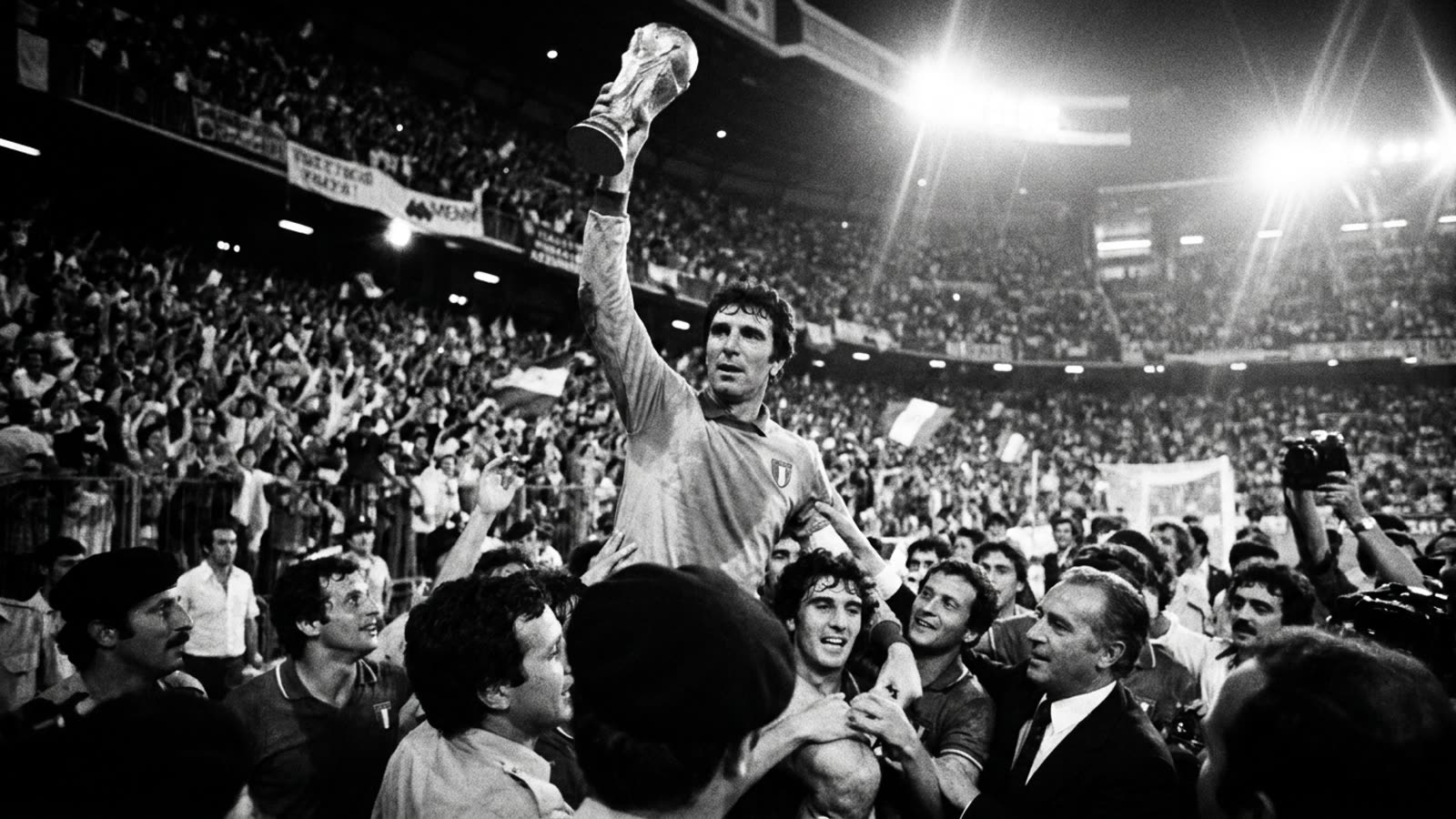
Goalkeepers have always struggled for individual honors in football. The Ballon d'Or has been awarded to a goalkeeper exactly once, to Lev Yashin in 1963, and the position's metrics remain poorly understood by casual observers. But Oblak's anonymity goes beyond the usual positional bias. He plays for a club that, despite its successes, remains perpetually in the shadow of Real Madrid and Barcelona. He represents a small nation that has never qualified for a World Cup final. And his style—anticipation over reaction, prevention over cure—is fundamentally unsuited to the highlight economy.
Our take
There is something almost countercultural about Oblak's career. In an era that rewards visibility, he has chosen to be invisible. In a sport that fetishizes the spectacular, he has perfected the mundane. When he eventually retires, the statistics will speak for themselves, but the memories will be harder to conjure—because the best thing a goalkeeper can do is ensure nothing memorable happens at all. That is not a failure of legacy. It is the purest expression of the craft.