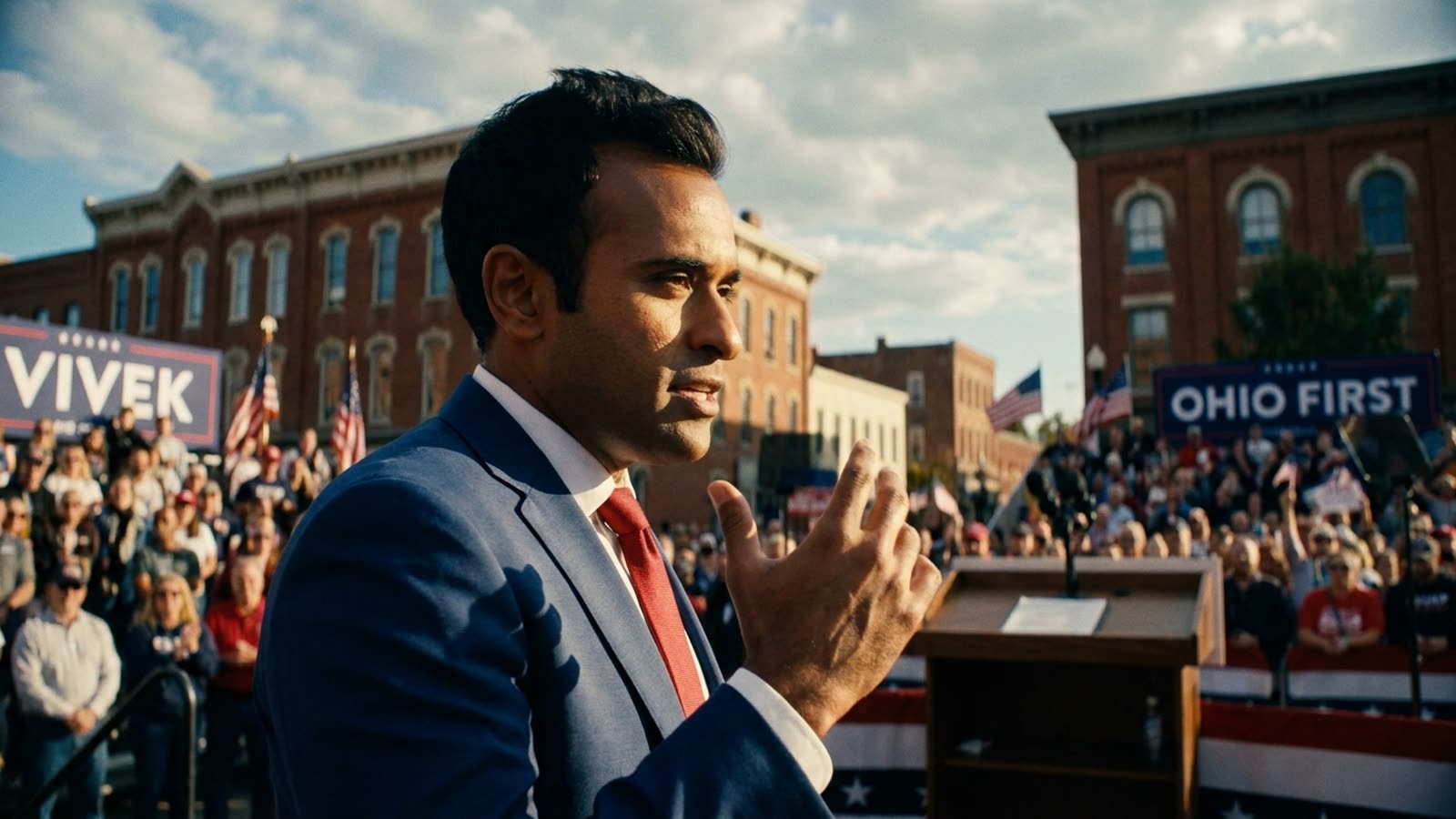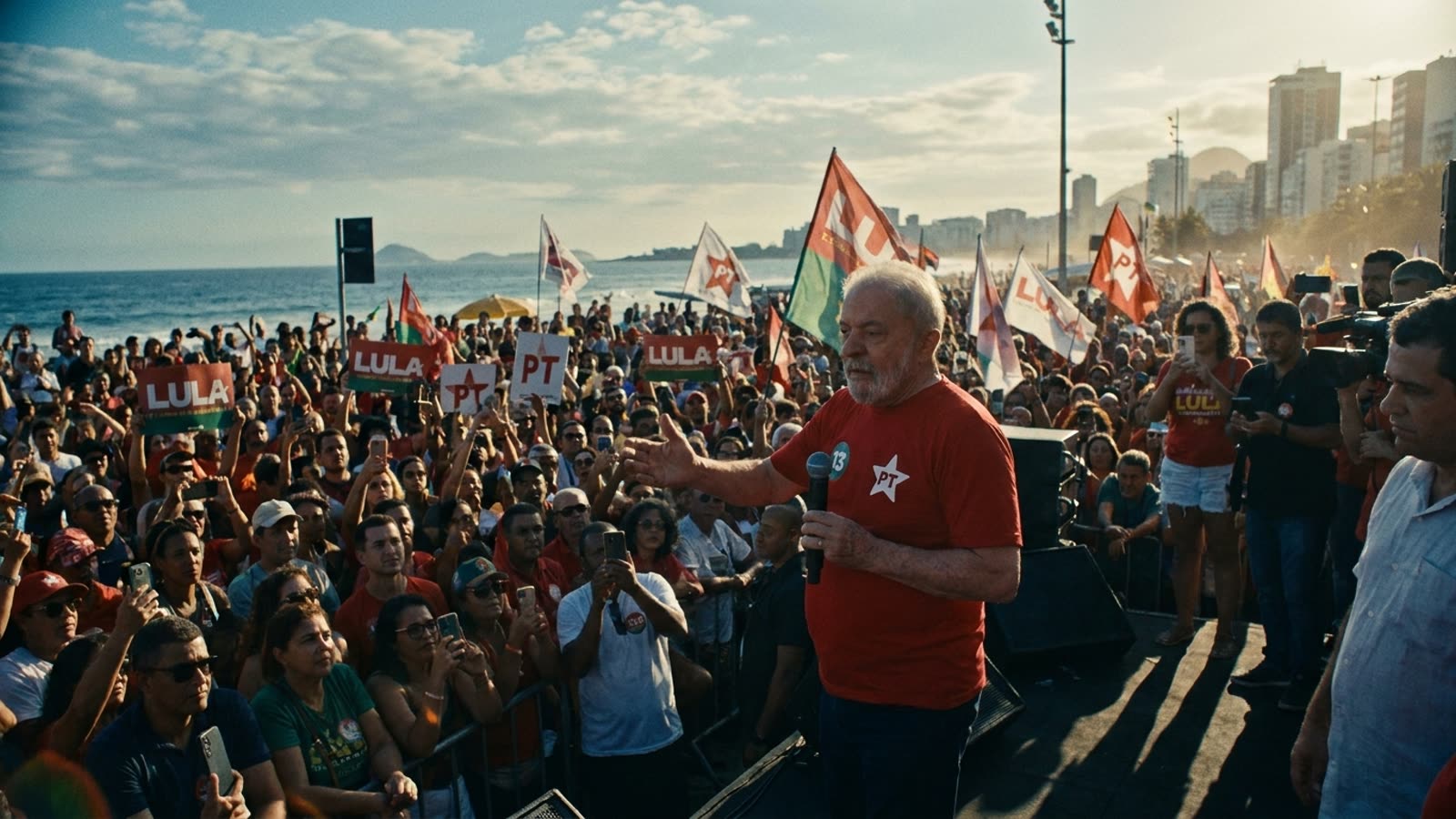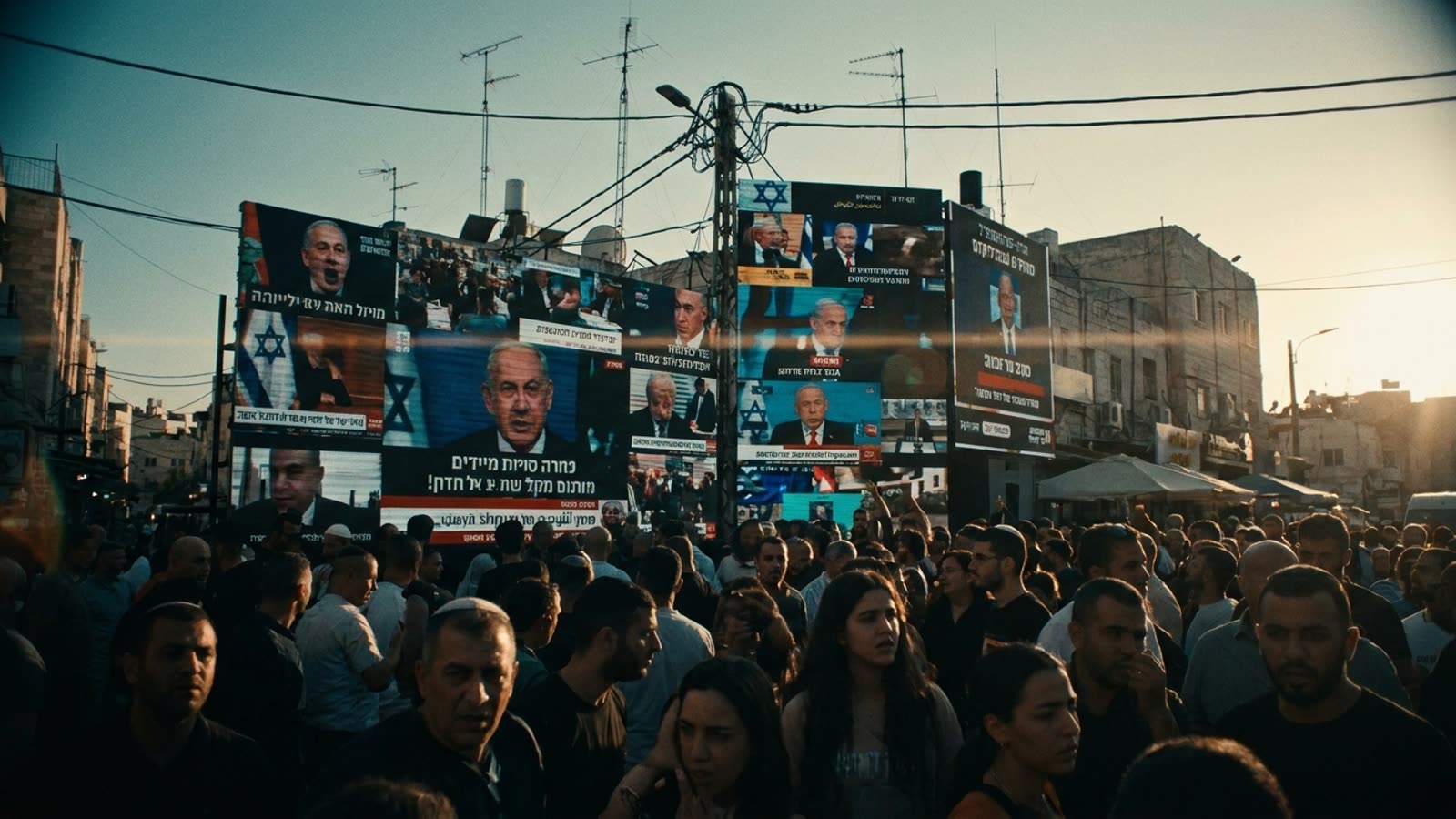
The final weekend before Israel's snap election has become a live-fire exercise in computational propaganda, with both major camps deploying bot networks, synthetic media, and granular voter surveillance at a scale that election monitors say exceeds anything seen in a Western democracy. The stakes could not be higher: Benjamin Netanyahu is fighting for political survival and potential immunity from corruption charges, while challenger Gadi Eisenkot—the former IDF chief running on a platform of ending the Gaza war—needs to peel away just enough security-focused voters to form a coalition. Neither side appears willing to let organic persuasion settle the matter.
Israeli cybersecurity researchers have identified coordinated inauthentic behavior across Telegram, X, and TikTok that traces to operatives affiliated with both Likud and Eisenkot's National Unity bloc. The tactics differ in flavor but not in ambition: pro-Netanyahu accounts have circulated deepfake audio purporting to show Eisenkot privately dismissing hostage families, while anti-Netanyahu networks have flooded WhatsApp groups with AI-generated images of the prime minister meeting with indicted associates. Fact-checkers are overwhelmed; by the time a debunk circulates, the original has been viewed millions of times.
The Surveillance Layer
Beyond disinformation, both campaigns are running micro-targeting operations that would make Cambridge Analytica blush. Israeli privacy law is permissive by European standards, and voter-file data—including military service records, religious affiliation, and settlement residency—is legally purchasable. Campaigns have married this to commercial location data, enabling them to serve different messages to the same voter depending on whether they are at home, at synagogue, or at a protest. One Eisenkot strategist, speaking on background, described the goal as "emotional sequencing": anxiety about Iran in the morning, hope about hostage negotiations at night.
Netanyahu's operation is reportedly even more aggressive, leveraging relationships with Israeli adtech firms to suppress turnout among secular Tel Aviv voters by flooding their feeds with nihilistic content about the futility of change. The technique, known in the trade as "demobilization," was pioneered in American politics but has never been documented at this intensity in a parliamentary system.
Why It Matters Beyond Israel
Israel's election is a preview, not an outlier. The country has one of the world's highest smartphone-penetration rates, a polarized electorate, and a tech sector capable of building these tools domestically. What works in Herzliya this week will be exported—or reverse-engineered—for use in Germany, India, and the United States within months. European regulators watching the Israeli campaign have already begun drafting emergency guidance on synthetic media ahead of next year's EU parliamentary elections.
The deeper problem is epistemic. When voters cannot distinguish authentic footage from fabrication, and when their information environment is curated by algorithms optimized for engagement rather than accuracy, the very concept of an informed electorate becomes aspirational. Israel's Central Elections Committee has issued advisories urging citizens to verify sources, but the committee itself has been targeted by spoofed accounts impersonating its logo.
Our take
Democracies have survived yellow journalism, radio demagoguery, and television attack ads. Each medium eventually developed antibodies—professional norms, regulatory guardrails, audience skepticism. The current wave of AI-enabled manipulation is moving faster than any of those defenses can form. Israel's election will not be the last to be fought this way, but it may be the first where the tools are so advanced that even sophisticated voters cannot be sure what they saw. That should concern anyone who plans to vote anywhere, ever again.