The localized ceasefires and diplomatic back-channels that have kept the U.S.-Iran conflict from spiraling into total war are fraying at precisely the wrong moment. With American midterm elections ten days away and Israel's government facing its own political calendar, both Washington and Jerusalem have fresh incentives to escalate—and Tehran, cornered and defiant, may oblige them.
The calculus is grimly straightforward. President Trump, facing a difficult midterm environment, has historically benefited from projecting strength abroad. Israeli Prime Minister Netanyahu, whose coalition depends on hardliners, cannot afford to look hesitant. And Iran's leadership, having absorbed months of strikes on its nuclear and military infrastructure, is under domestic pressure to demonstrate it has not been humiliated into submission.
The intelligence picture
U.S. officials have briefed allies on what they describe as credible intelligence suggesting Iran is preparing a significant retaliatory action—though the nature and timing remain unclear. This assessment has prompted renewed planning in Washington and Tel Aviv for preemptive or responsive strikes that would go well beyond the targeted operations of recent months. The fear among diplomats is that any major Iranian move, even a symbolic one, could trigger a response cycle neither side can control.
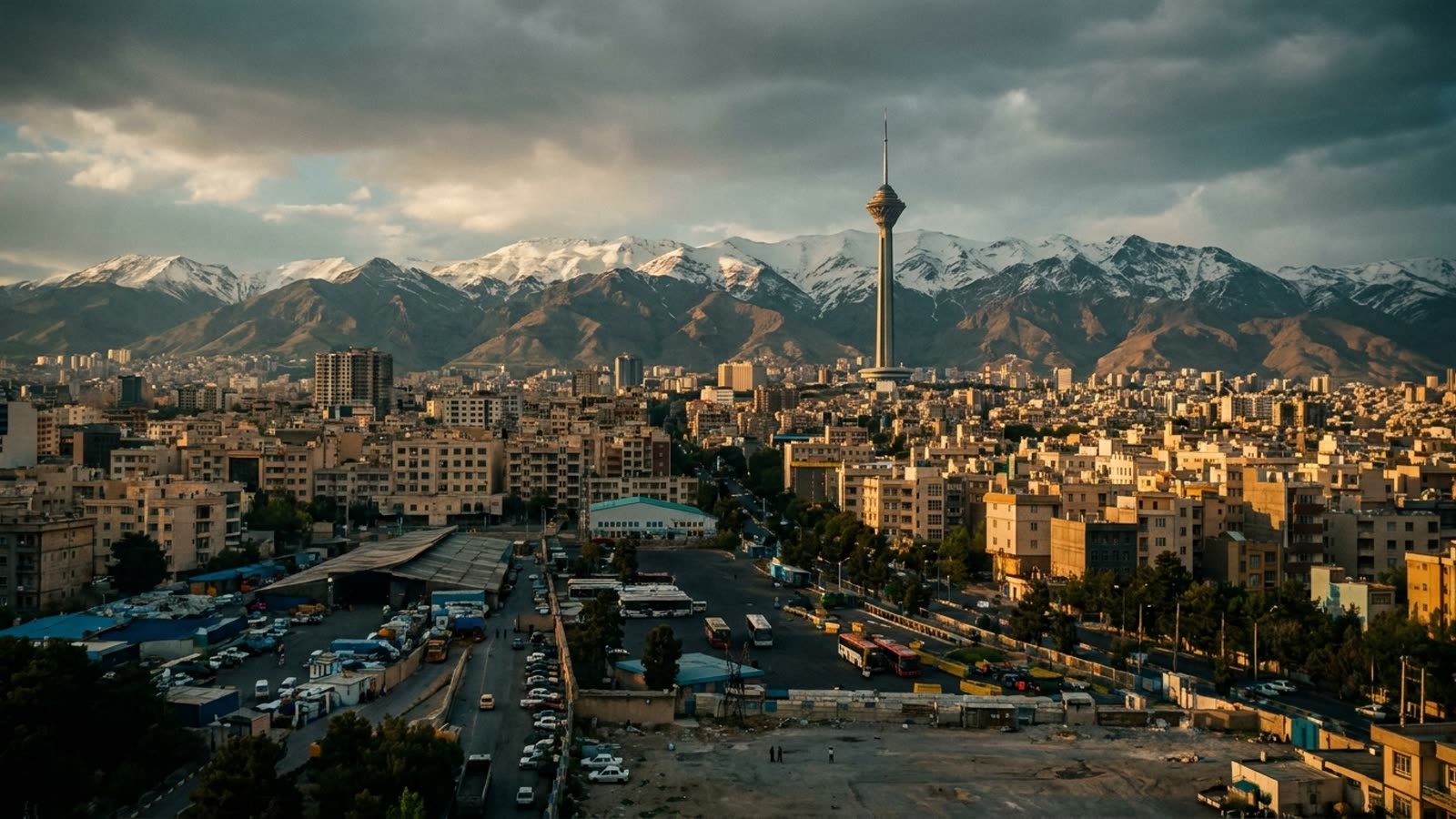
Meanwhile, Iranians themselves are living under a pall of dread. In Tehran and other cities, residents report stockpiling essentials and making contingency plans, uncertain whether the next escalation will bring sustained aerial bombardment to their neighborhoods. The psychological toll of months of conflict—economic collapse, fuel shortages, and the ever-present threat of violence—has left a population exhausted and anxious.
The domestic politics of war
What makes the coming days especially volatile is the alignment of political calendars. American presidents have historically seen their approval ratings rise during military crises, at least initially. For Trump, a dramatic confrontation with Iran could shift the midterm narrative away from domestic grievances—inflation, the economy, the chaos of his administration's personnel churn—and toward terrain where he believes he excels: projecting dominance.
Israel's calculations are similarly fraught. Netanyahu has staked his political survival on demonstrating that the war has achieved its objectives. Any perception that Iran has regained the initiative would be politically catastrophic. The pressure to act decisively, even preemptively, is immense.
Our take
Wars rarely begin because leaders want them; they begin because leaders cannot find a way to stop the machinery they have set in motion. The U.S. and Iran have spent months in a dangerous equilibrium, each side calibrating its strikes to avoid the threshold that would trigger full-scale conflict. But equilibriums are fragile things, and the political pressures now bearing down on Washington, Jerusalem, and Tehran are pushing all three toward that threshold. The next ten days will test whether any of them have the wisdom—or the political space—to step back.