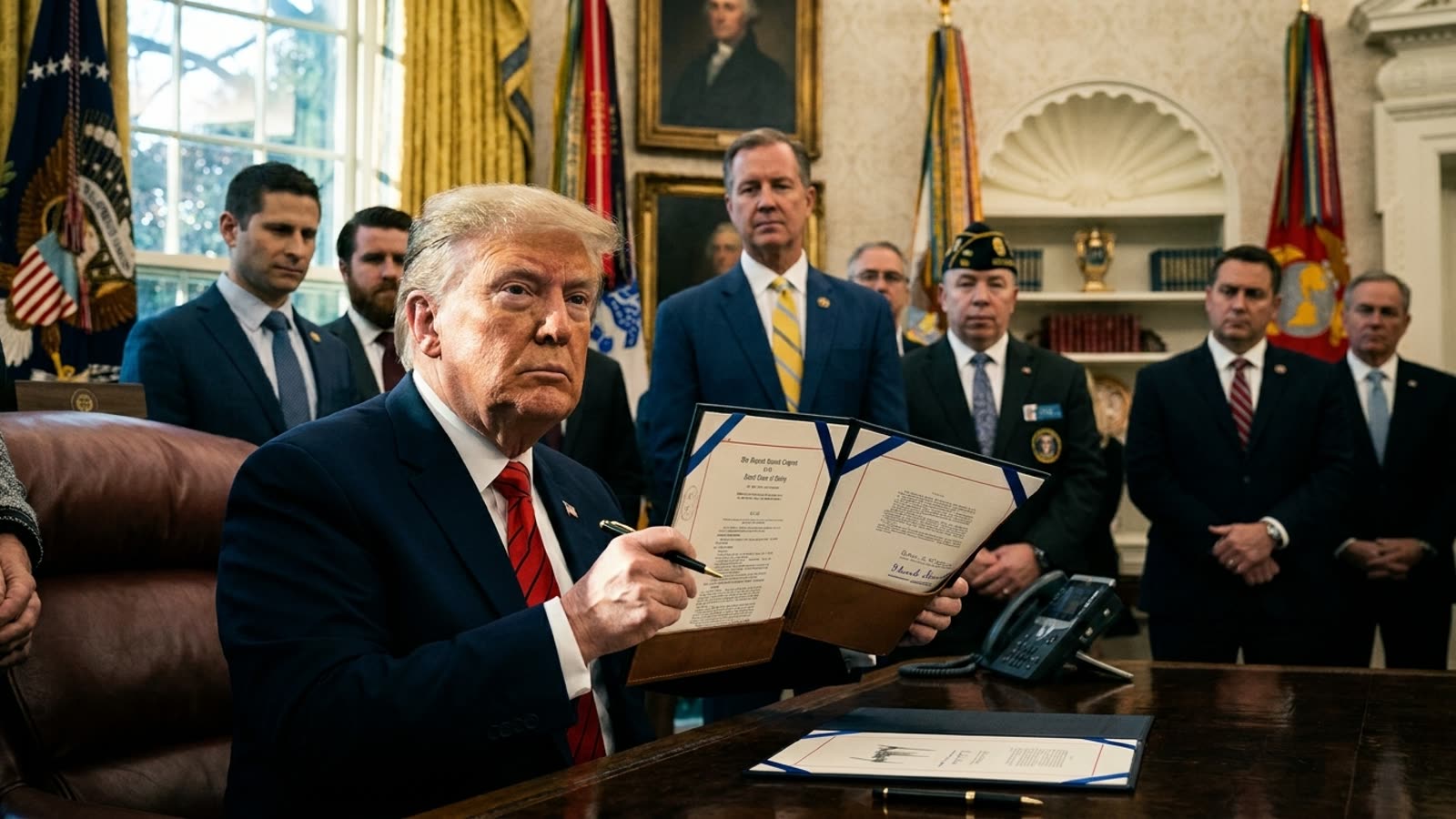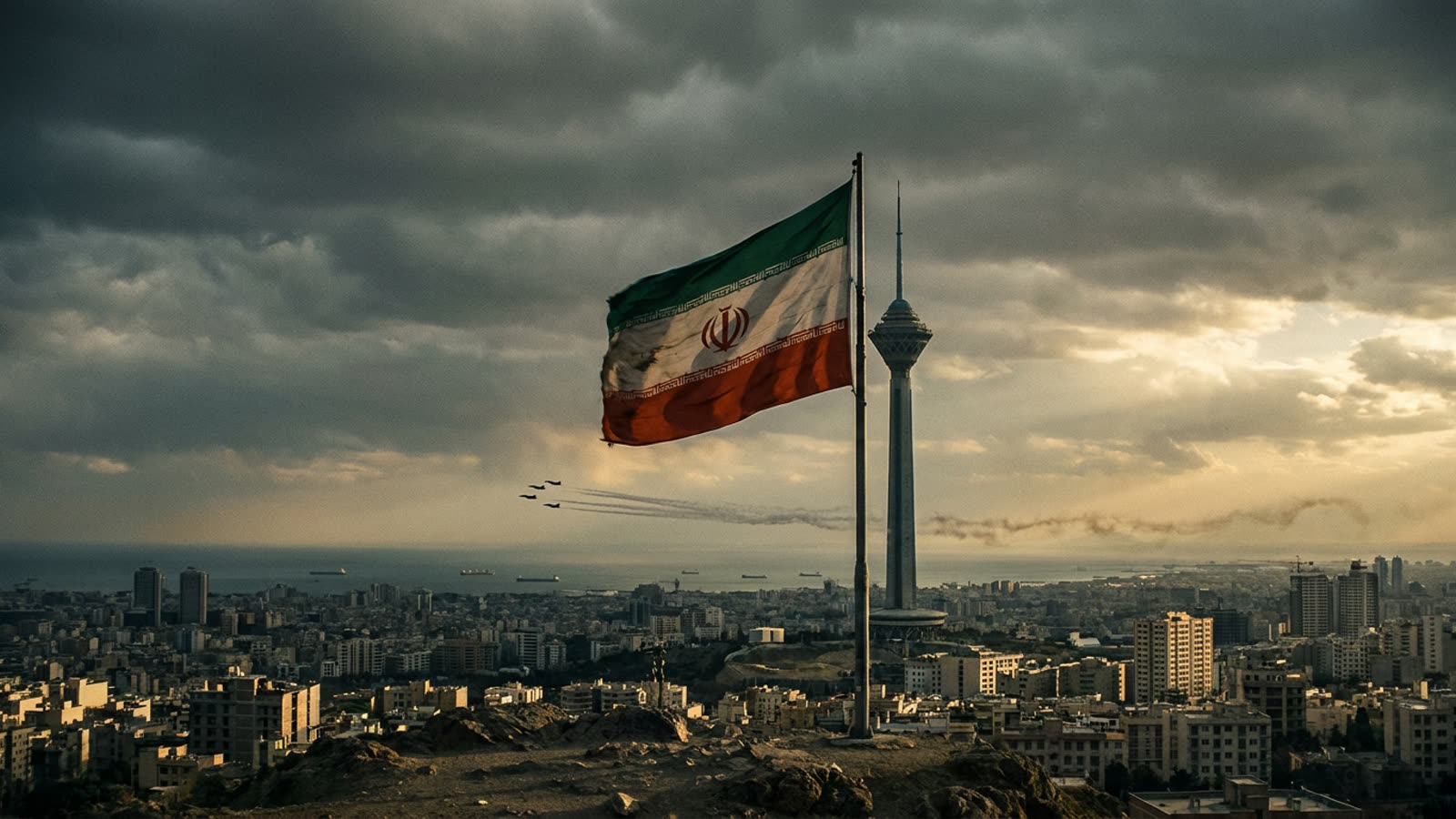
The Biden administration spent years trying to resurrect the Iran nuclear deal through patient, if often frustrating, diplomacy. The Trump administration tore it up and bet on maximum pressure. The current approach under President Trump's second term appears to be something new: maximum confusion.
On Friday, U.S. forces fired on Iranian tankers in what Tehran's foreign minister called "reckless" attacks, even as Secretary of State Marco Rubio publicly stated the administration expected to hear from Iranian officials by day's end. The cognitive dissonance is remarkable. One arm of the government is pulling triggers while another extends an open hand, and neither seems particularly aware of what the other is doing.
The tanker strikes
The targeting of commercial vessels represents a significant escalation from the airstrikes on Iranian military infrastructure that marked the conflict's opening phase. Tankers are economic infrastructure, and hitting them signals a willingness to wage economic warfare through kinetic means rather than sanctions alone. This is the kind of action that historically precedes broader conflicts, not the sort of de-escalatory gesture one makes while awaiting a diplomatic phone call.
The Pentagon has offered limited justification, citing the vessels' alleged role in sanctions evasion. But the timing—hours before Rubio's stated deadline for Iranian contact—suggests either a catastrophic failure of interagency coordination or a deliberate good-cop-bad-cop routine that Tehran is unlikely to find persuasive.
Tehran's calculation
Iran's foreign ministry has seized on the contradiction with evident relish. Accusing Washington of "undermining diplomacy" is standard rhetorical fare from Tehran, but in this instance, the charge has unusual merit. The regime now faces a choice between responding to military provocation—which risks further escalation—and engaging diplomatically with an adversary actively shooting at its economic lifeline.
For Supreme Leader Khamenei, the domestic politics are treacherous. Any appearance of capitulating to American pressure while under fire would be politically fatal. The strikes may have inadvertently closed the very diplomatic window Rubio claims to have opened.
What Washington wants
The honest answer appears to be: no one knows, possibly including Washington itself. The administration's Iran policy has oscillated between regime-change rhetoric, demands for a "better deal" than the JCPOA, and occasional suggestions that simple deterrence is the goal. Friday's events suggest all three impulses are operating simultaneously, without anyone adjudicating between them.
This is not unprecedented in American foreign policy—the early months of conflicts often feature such incoherence—but it is dangerous. Wars have a way of developing their own momentum, and the absence of clear American objectives makes off-ramps harder to identify and take.
Our take
The administration appears to believe it can bomb its way to the negotiating table, a theory with a decidedly mixed historical record. What Friday's events actually demonstrate is an administration that has stumbled into a conflict without a theory of victory, an exit strategy, or even a consistent message. Tehran's diplomats may or may not call Secretary Rubio. But they would be forgiven for wondering which version of American policy would pick up the phone.