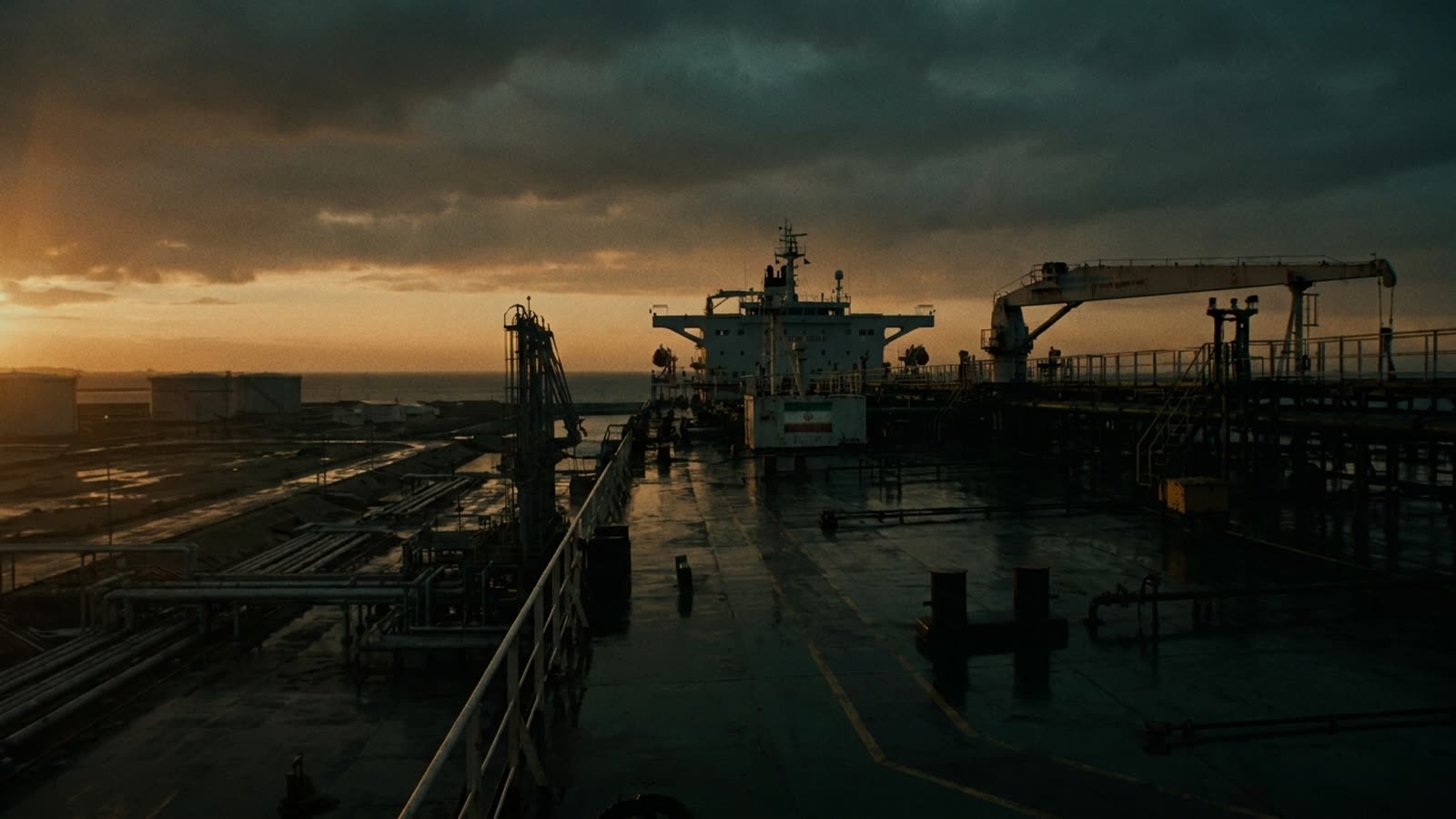
The question of whether the Iran war has forced peak oil demand is no longer theoretical—it is now the central debate in global energy markets, and the answer will reshape investment flows, geopolitical alliances, and climate trajectories for a generation.
Since hostilities escalated in the Strait of Hormuz earlier this year, Brent crude has traded in a band that would have seemed unthinkable in 2024: high enough to punish consumers, yet not so catastrophic as to trigger immediate recession. The result is a strange equilibrium in which governments, corporations, and households are simultaneously adapting to expensive oil while discovering they can, in fact, live without quite so much of it.
The demand destruction nobody planned
Energy economists have long distinguished between cyclical demand destruction—temporary cutbacks during recessions—and structural demand destruction, the permanent behavioral and technological shifts that remove barrels from the market forever. The Iran conflict appears to be catalyzing the latter at unprecedented speed.
Chinese EV sales, already dominant domestically, have surged further as Beijing weaponizes the crisis to justify accelerated electrification subsidies. European industrial firms that hedged their energy exposure after the 2022 Russia shock are now doubling down on efficiency retrofits. American drivers, facing pump prices that have become a genuine political liability, are trading down to hybrids and smaller vehicles at rates not seen since the 2008 financial crisis.
None of this was the plan. Climate activists spent years arguing that carbon pricing and regulatory mandates would bend the demand curve. Instead, a regional war and its attendant supply chaos may accomplish in eighteen months what the Paris Agreement could not achieve in a decade.
Supply-side scars
The conflict's impact on supply is equally consequential, though less discussed. Iranian production remains effectively offline, and the Strait's insurance premiums have rendered Gulf exports more expensive regardless of physical disruption. But the deeper wound is psychological: major oil companies, already under pressure from shareholders to limit upstream capital expenditure, now face a market that could tip into permanent decline before new projects pay back.
This is the peak oil thesis inverted. For decades, analysts warned of supply-side depletion—the world running out of economically recoverable crude. The new version is demand-side obsolescence: oil remains abundant, but the world no longer wants enough of it to justify the cost of extraction.
Winners, losers, and the transition's uneven geography
The geopolitical ramifications are profound. Petrostates that failed to diversify—Nigeria, Algeria, Angola—face fiscal crises that could destabilize entire regions. Gulf monarchies with sovereign wealth buffers will survive but must accelerate their post-oil economic planning. Russia, already isolated by sanctions and now watching its primary export commodity lose structural relevance, confronts a bleaker long-term trajectory than any Western policy could have engineered.
Meanwhile, nations with critical mineral deposits—lithium in Chile and Australia, cobalt in the Democratic Republic of Congo, rare earths in China—find themselves holding the new leverage. The energy transition is not the end of resource competition; it is a reordering of which resources matter.
Our take
Peak oil demand, if it has indeed arrived, will not feel like victory for anyone. It will feel like dislocation, adjustment, and the slow unwinding of an economic architecture built on the assumption that petroleum would remain central to human civilization indefinitely. The Iran war did not cause this shift—electrification, efficiency gains, and climate anxiety were already bending the curve—but it may have provided the shock that turned gradual change into irreversible transformation. For investors, policymakers, and ordinary citizens, the question is no longer whether the oil age will end, but how chaotically the transition will unfold.