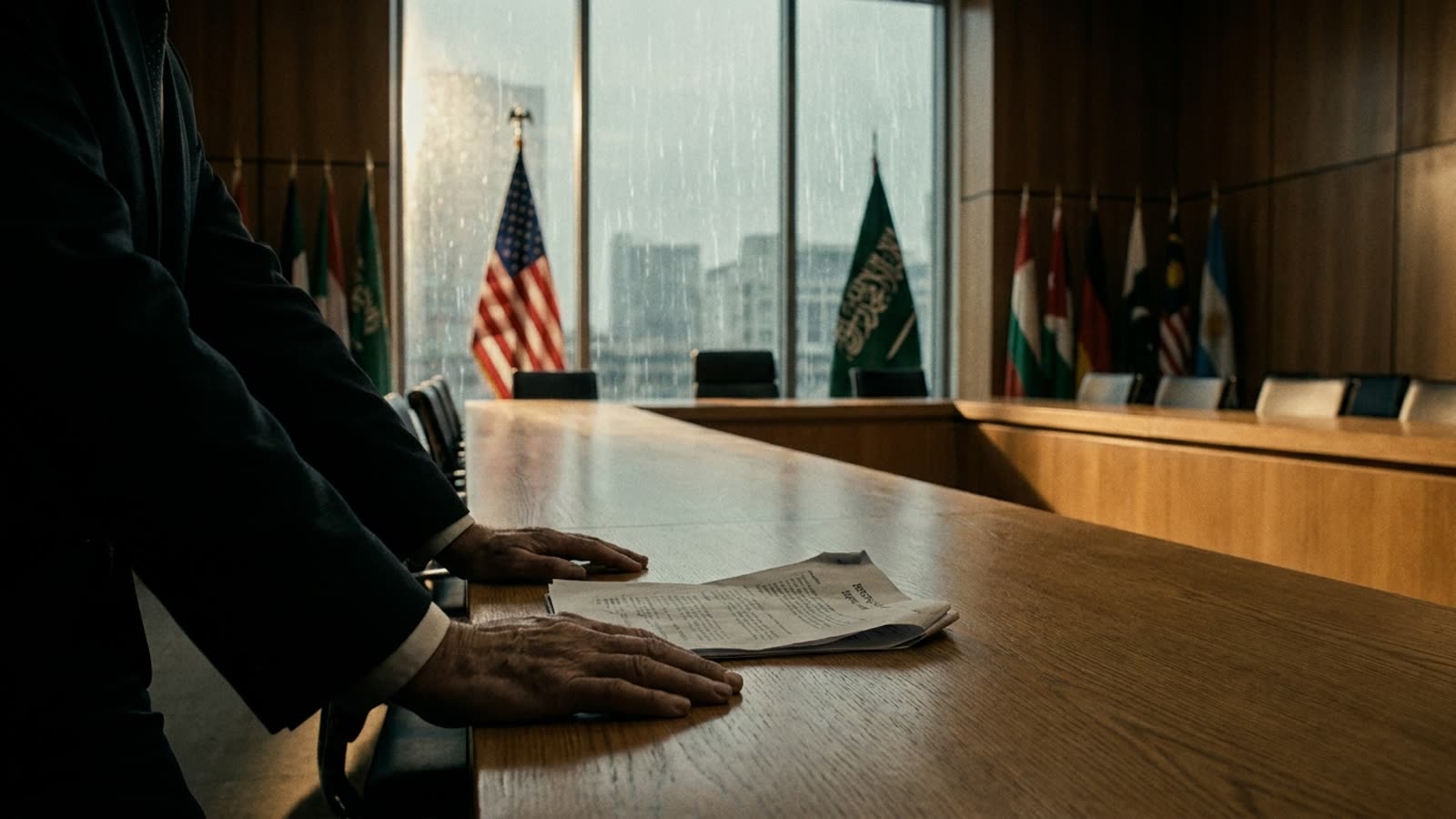
The Iranian government has finally articulated what observers have intuited for weeks: negotiating with the Trump administration is an exercise in chasing a moving target. On Saturday, Iranian officials described ceasefire talks as "cumbersome," citing America's "changing and contradictory positions" as the core obstacle to any resolution. Hours later, President Trump declared he has no plans to withdraw the troops currently engaged in the conflict—a statement that renders much of the diplomatic theater moot.
This is not dysfunction. It is method.
The hundred-day mark
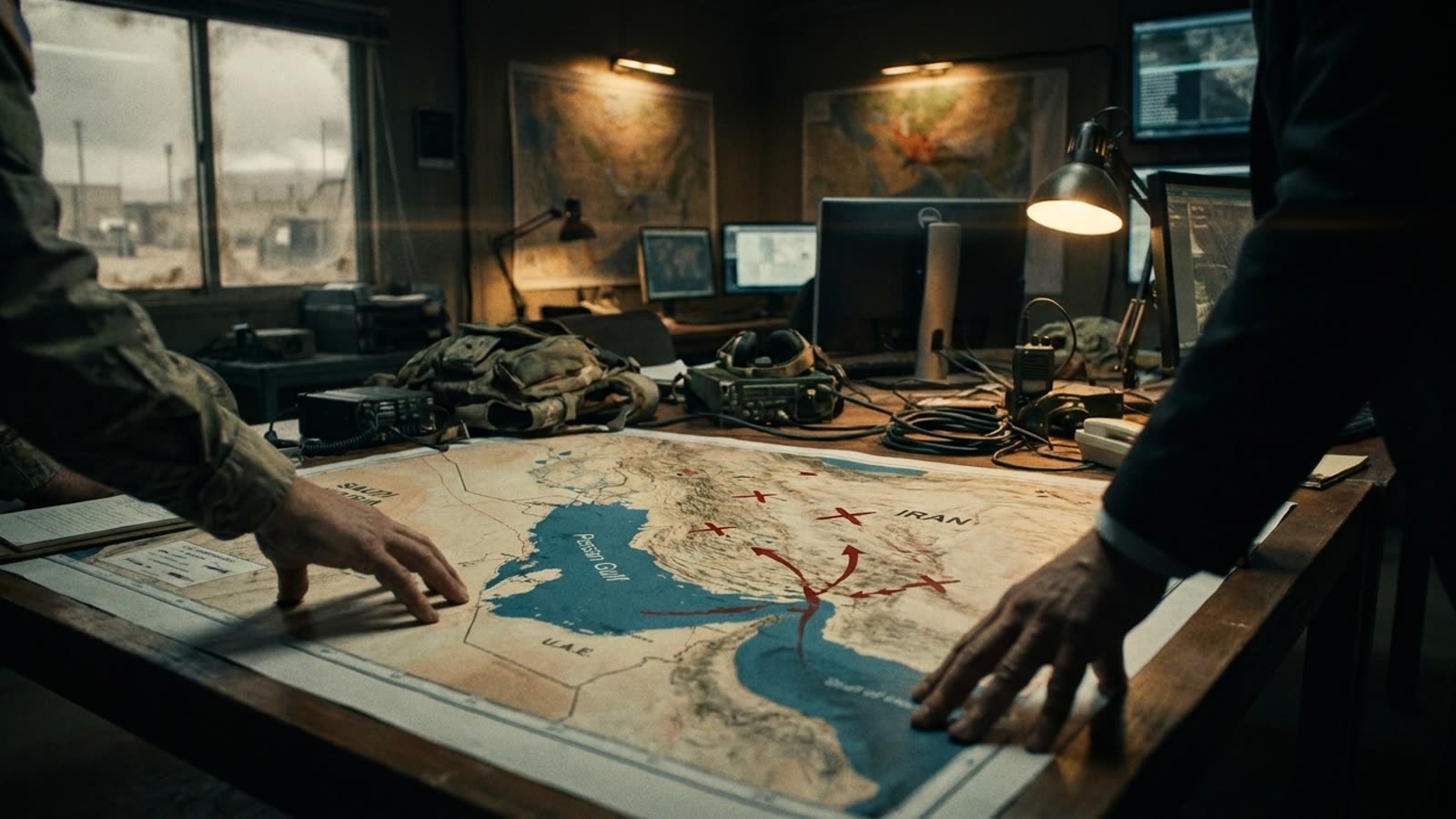
The US-Iran war has now passed its 100-day milestone, a grim anniversary that has produced neither the swift victory promised by administration hawks nor the negotiated settlement dangled by its dealmakers. The conflict has settled into a grinding stalemate, with American forces maintaining positions while diplomatic channels remain nominally open but substantively frozen.
Tehran's complaint—that American negotiators arrive with one set of demands only to return with different ones—reflects a pattern familiar from trade negotiations, alliance management, and domestic policy alike. The administration's approach treats inconsistency not as a bug but as leverage, keeping counterparties perpetually off-balance and unable to lock in concessions.
The withdrawal question
Trump's categorical rejection of troop withdrawal cuts against the grain of his historical rhetoric about ending "forever wars" and bringing American soldiers home. Yet it aligns perfectly with an administration that has discovered the domestic political utility of an ongoing conflict. The war provides a backdrop for displays of strength, a justification for expanded executive authority, and a convenient explanation for economic turbulence that might otherwise be blamed on tariff policy.
For Iranian negotiators, the president's statement clarifies the stakes: any ceasefire will require Tehran to make concessions substantial enough to let Trump claim victory without actually changing the military posture. That is a narrow needle to thread, and Iran's leadership may reasonably conclude that waiting out the administration is preferable to accepting terms that could shift again before the ink dries.
Our take
The administration has discovered that strategic ambiguity works both ways—it preserves optionality for the US while making genuine negotiation nearly impossible. Iran is not wrong to find the process cumbersome; it is designed to be. The question is whether anyone in Washington actually wants it to succeed, or whether a low-simmer conflict has become the preferred equilibrium. After 100 days, the evidence suggests the latter.