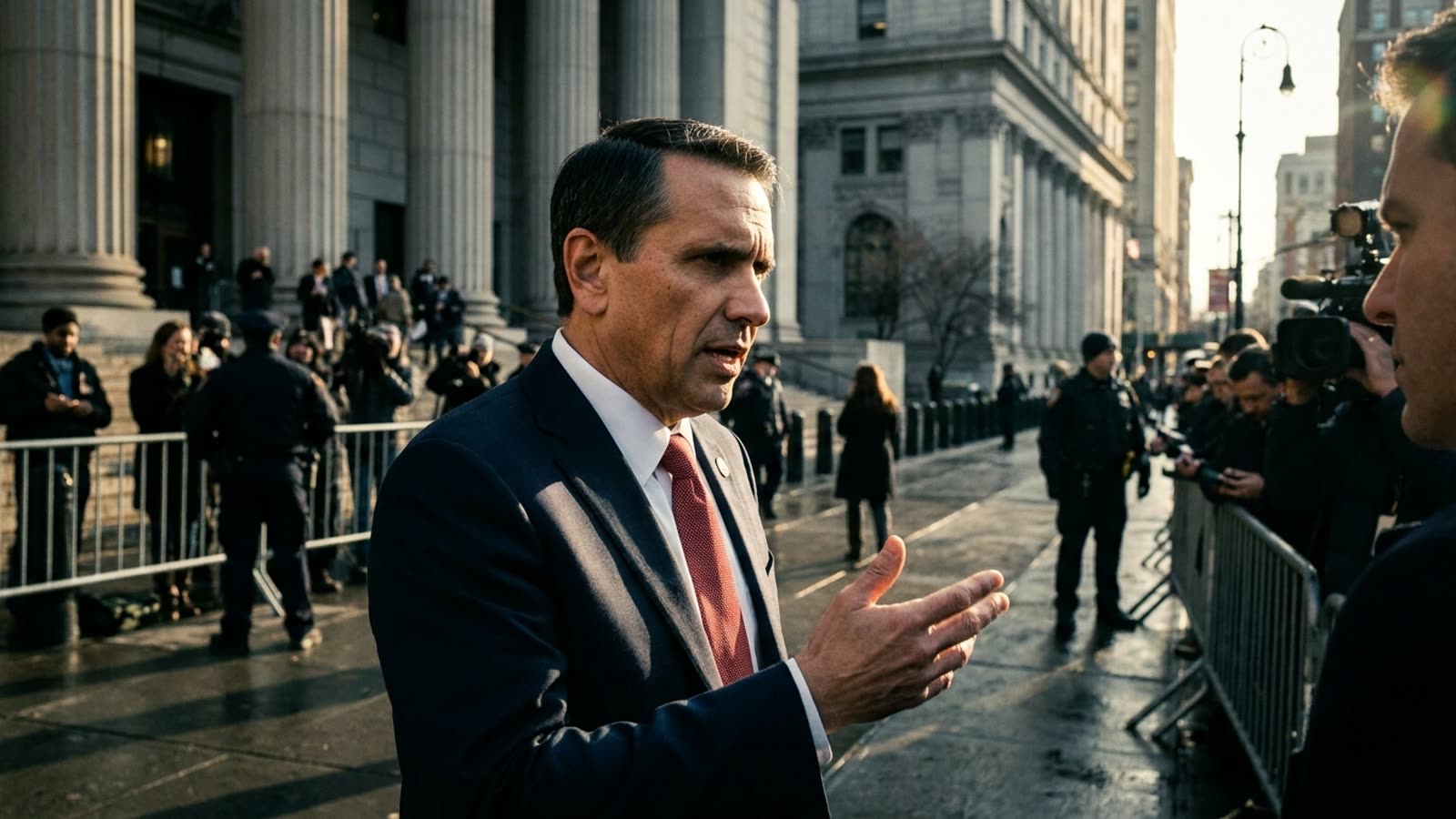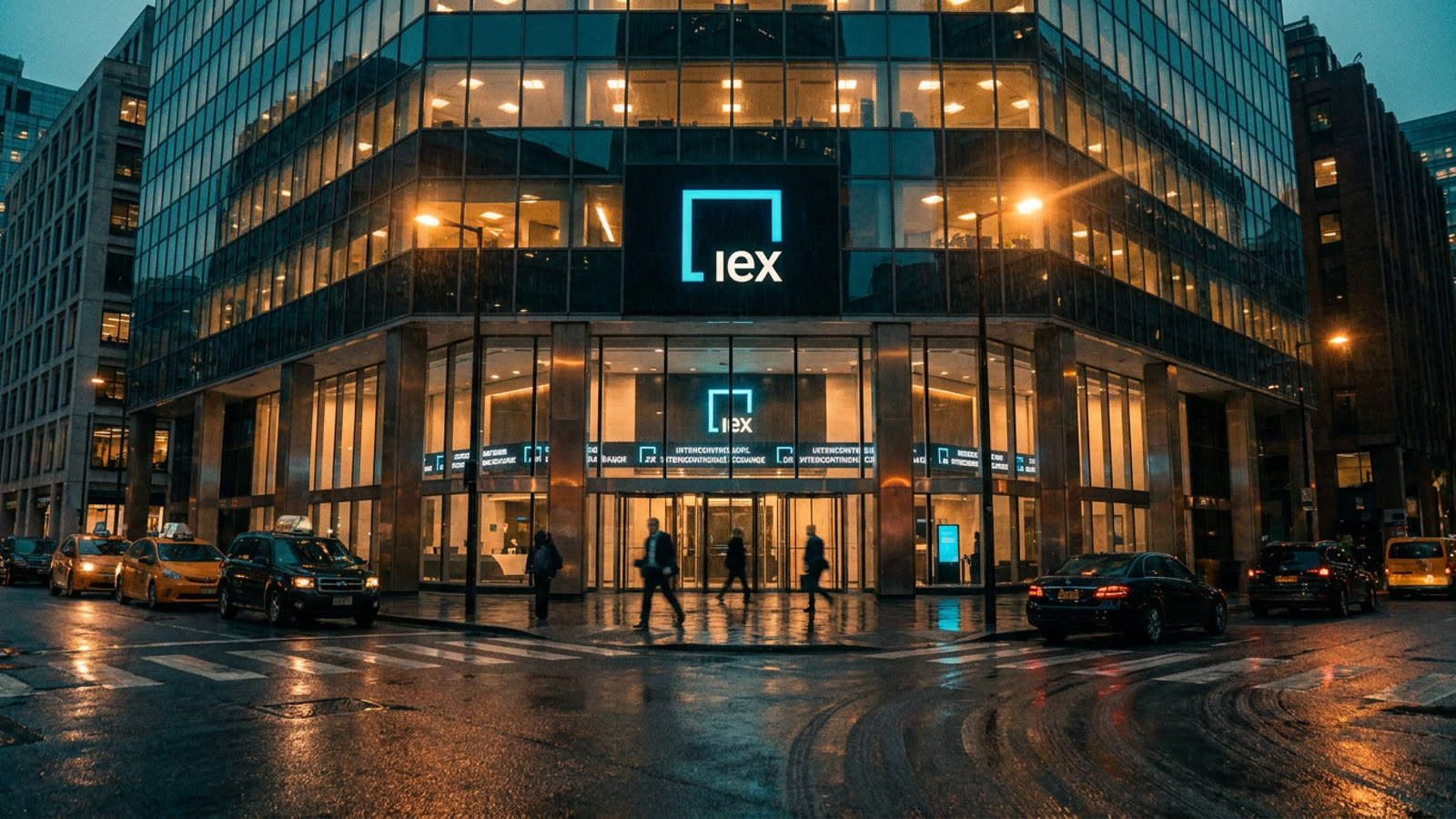
When the chief executive of Intercontinental Exchange — the company that owns the New York Stock Exchange, ICE Futures, and a constellation of clearinghouses — publicly declares that a decentralized crypto exchange has grown larger than NASDAQ, the polite response is to pay attention. Jeffrey Sprecher's recent comments about Hyperliquid represent something more significant than executive commentary: they are an admission that the infrastructure of global finance is being rebuilt in real time, and the incumbents are watching it happen.
Hyperliquid, a perpetual futures exchange built on its own Layer 1 blockchain, has quietly become one of the most consequential trading venues in the world. Its daily volume now routinely exceeds that of NASDAQ — not in notional crypto terms that can be dismissed as wash trading or leverage games, but in genuine economic activity that moves markets and attracts institutional capital.
The volume question
Traditional finance has long dismissed crypto exchange volumes as inflated, manipulated, or otherwise unserious. That skepticism was often warranted. But Hyperliquid operates differently: its on-chain architecture makes volume verification trivial, and its fee structure discourages the kind of wash trading that plagued earlier venues. When Sprecher says Hyperliquid is bigger than NASDAQ, he is not relying on self-reported numbers from an offshore exchange with questionable accounting. He is reading the blockchain.
The comparison is imperfect, of course. NASDAQ's volume represents equity ownership in actual companies with earnings, employees, and physical assets. Hyperliquid's volume is predominantly leveraged derivatives on crypto assets. But the distinction matters less than it once did. Derivatives markets have always dwarfed their underlying spot markets, and the traders flowing into Hyperliquid are the same ones who would otherwise be trading E-mini futures or currency swaps.
Why ICE cares
Sprecher's willingness to acknowledge Hyperliquid's scale is not mere intellectual honesty. ICE has spent years positioning itself at the intersection of traditional and digital asset markets, launching Bakkt and investing in blockchain infrastructure. The company understands that exchange revenue follows volume, and volume is migrating to venues that offer 24/7 trading, instant settlement, and global access without intermediaries.
The threat to traditional exchanges is not that crypto will replace equities. It is that the technology pioneered by crypto exchanges — atomic settlement, transparent order books, programmable margin — will become the baseline expectation for all trading. Venues that cannot match those capabilities will lose flow to those that can.
Our take
Sprecher's comments are the closest thing to a white flag that traditional finance has waved. Not surrender, exactly, but acknowledgment that the competitive landscape has shifted permanently. Hyperliquid did not achieve its scale through regulatory arbitrage or marketing gimmicks; it built a better mousetrap. The question now is whether ICE and its peers can adapt quickly enough, or whether they will find themselves in the position of newspaper companies watching Google eat their lunch. The smart money is on adaptation — these are sophisticated operators — but the clock is ticking, and the blockchain does not wait.