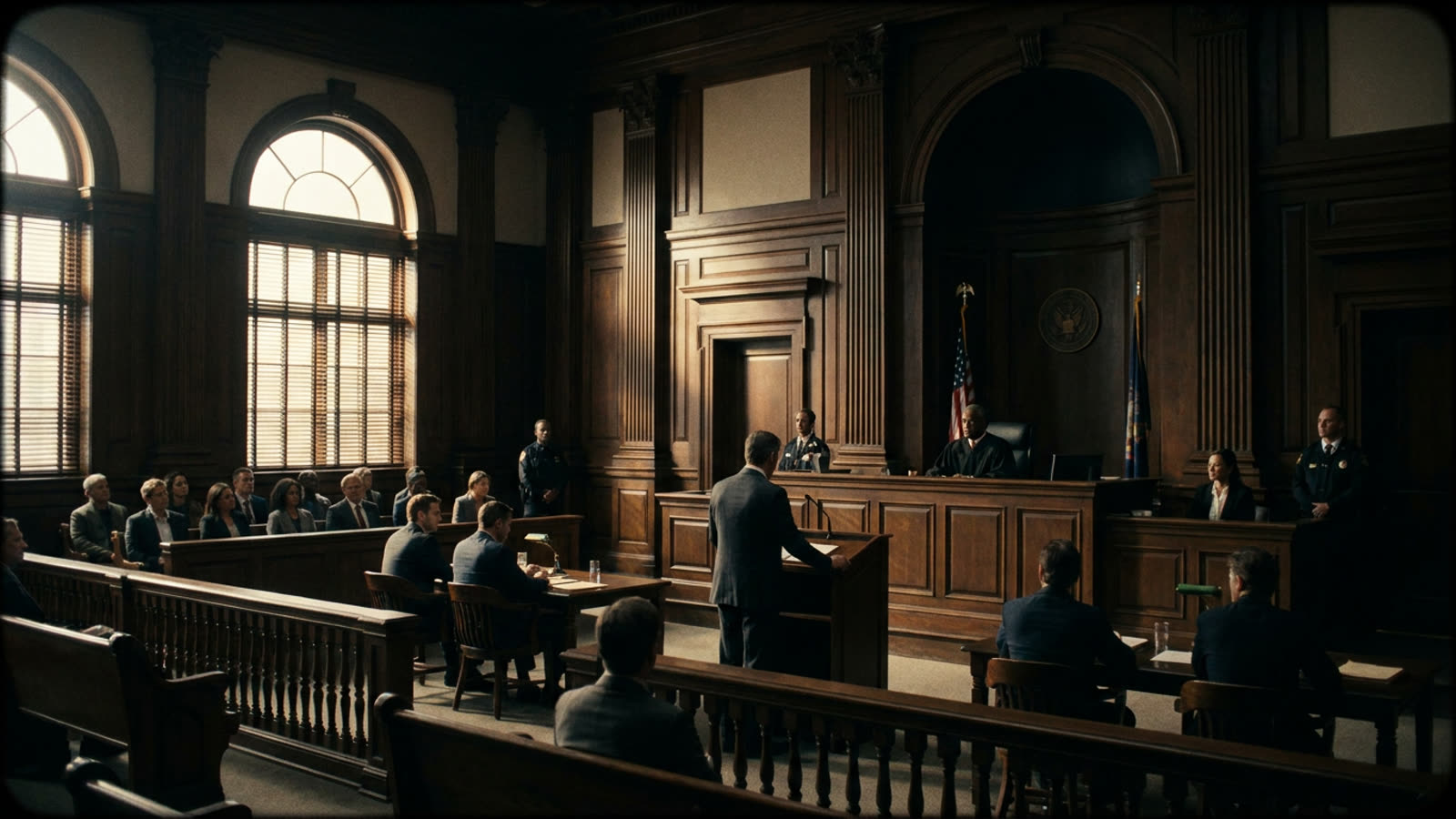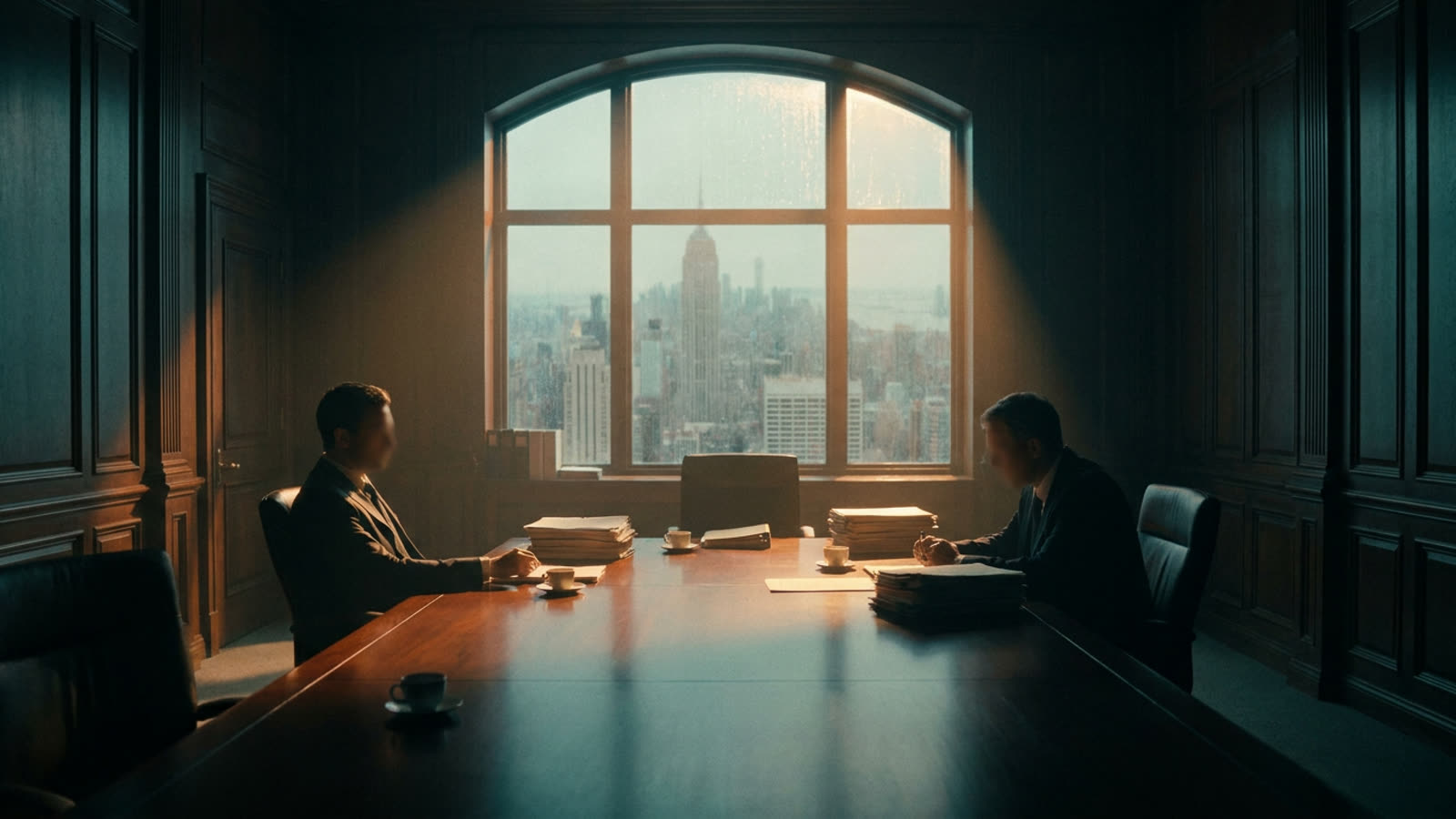
The investigation into whether Donald Trump should face criminal liability for his conduct toward E. Jean Carroll has been assigned to the Southern District of New York—an office that, by most accounts, is experiencing its most turbulent period in decades. This is less irony than inevitability: the cases that matter most tend to arrive precisely when institutions are least equipped to handle them.
The SDNY, once celebrated as the "Sovereign District" for its fierce independence from Washington, has seen an exodus of senior prosecutors over the past eighteen months. Budget pressures, political interference complaints, and a revolving door of leadership have left the office operating with a skeleton crew of experienced litigators. Into this environment drops one of the most politically charged inquiries in recent memory.
The Capacity Question
Prosecutorial offices are not factories. They cannot simply add shifts when demand spikes. The Carroll matter requires investigators who understand both the civil judgments already rendered—juries have found Trump liable for sexual abuse and defamation, awarding Carroll over $80 million—and the higher evidentiary bar for criminal prosecution. That expertise is scarce anywhere; at a depleted SDNY, it may be scarcer still.
The timing compounds the difficulty. With a presidential election cycle concluded and Trump's political apparatus in full defensive posture, any prosecutorial misstep will be amplified into a narrative of persecution or incompetence, depending on the audience. The office needs its best lawyers. Whether it still has them is an open question.
Political Gravity
Attorney General Pam Bondi's recent congressional testimony, in which she deflected questions about the related Epstein files toward other officials, underscores how radioactive these matters have become within the Justice Department. The SDNY has historically prided itself on insulation from such pressures, but insulation requires institutional mass—experienced prosecutors willing to absorb political heat. When that mass erodes, gravity wins.
The risk is not necessarily that the Carroll inquiry will be killed outright. The risk is slower: delays, reassignments, resource starvation. Cases don't always die; sometimes they simply never quite live.
Our take
Institutional decay rarely announces itself. It shows up in the gap between what an office could once do and what it can manage now. The SDNY's turmoil may or may not determine the Carroll investigation's outcome, but it will certainly shape the investigation's tempo and rigor. For a case where the civil record is already damning, the question is whether the criminal system can muster the focus to take it seriously—or whether chaos provides its own form of resolution.