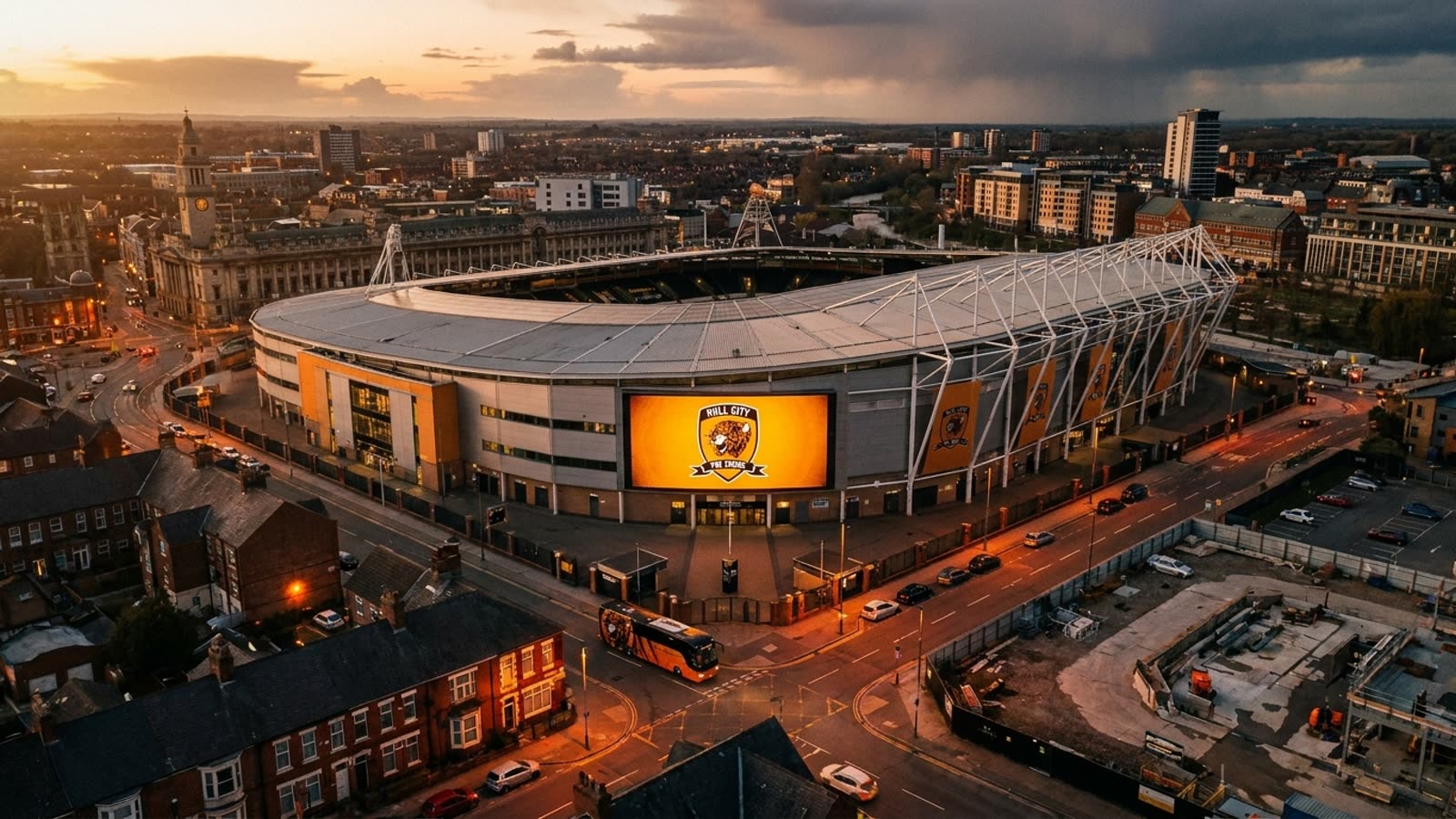
Hull City's promotion to the Premier League via the Championship playoffs is the kind of story that would strain credulity in fiction. A campaign defined by off-pitch turmoil, inconsistent form, and the sort of drama that typically derails seasons instead produced the ultimate prize: a return to English football's top table.
The Tigers navigated their playoff run while managing distractions that would have sunk less resilient clubs. That they emerged victorious speaks to something beyond tactical nous or individual quality — it suggests an organizational toughness that Premier League survival demands.
The art of compartmentalization
Championship football is a war of attrition. Forty-six league matches, plus playoffs, in a division where the gap between sixth and twentieth is measured in fine margins and fixture congestion. Adding scandal to that equation typically proves fatal to promotion ambitions.
Hull's ability to insulate on-pitch performance from off-pitch noise represents either exceptional man-management, collective denial, or both. The result is the same: a squad that refused to buckle when external pressure mounted. In the Premier League, where scrutiny intensifies and every stumble becomes a crisis, that psychological armor will be tested immediately.
What promotion actually means
The financial implications are staggering. Premier League television revenue dwarfs Championship earnings, with promoted clubs receiving north of £100 million in their first season through a combination of equal share payments, merit-based distributions, and international rights. Even a single season in the top flight, followed by relegation, triggers parachute payments that provide competitive advantage for years.
For Hull's ownership, promotion represents vindication and runway — capital to invest in a squad that will need significant reinforcement to compete at the highest level. The Championship is littered with clubs who won promotion and immediately discovered their squads were built for a different sport entirely.
The survival blueprint
Recent promotion history offers cautionary tales and templates. Clubs that survive their first Premier League season typically share characteristics: they identify their identity early (pressing team, defensive solidity, counter-attacking threat), they recruit shrewdly in positions of genuine need rather than chasing names, and they accept that points in October matter as much as points in May.
Hull's playoff run suggests they understand something about performing under pressure. Whether that translates to a twenty-match winless run in autumn, when the quality gap becomes apparent and confidence erodes, remains the essential question.
Our take
Hull City's promotion is a reminder that football rewards stubbornness as much as elegance. The scandals that plagued their campaign will fade from memory if they can string together enough results to stay up; they'll become defining narratives if relegation follows. The Premier League is unforgiving to clubs who arrive unprepared, but Hull has already demonstrated an ability to survive circumstances that should have broken them. That might be worth more than a few expensive signings.