Every democracy eventually produces the same complaint: nothing gets done. Voters blame corruption, partisanship, or the moral failings of whichever party they oppose. But the deeper explanation is structural, and it has a name that rarely escapes political science seminars: veto players.
The concept, formalized by the scholar George Tsebelis in the early 1990s, is deceptively simple. A veto player is any individual or collective actor whose agreement is necessary to change the status quo. Count the veto players in a political system, measure how far apart their preferences sit, and you can predict with surprising accuracy how much policy will actually move. More veto players, or more ideological distance between them, means more gridlock. Fewer veto players, or tighter preference alignment, means faster change — for better or worse.
Why the count matters
Consider the contrast between the United Kingdom and the United States. In Britain, a majority government controls the House of Commons, and the Lords can only delay, not kill, most legislation. The prime minister, backed by party discipline, is effectively the sole veto player on domestic policy. Laws pass quickly. Governments can nationalize industries one decade and privatize them the next.
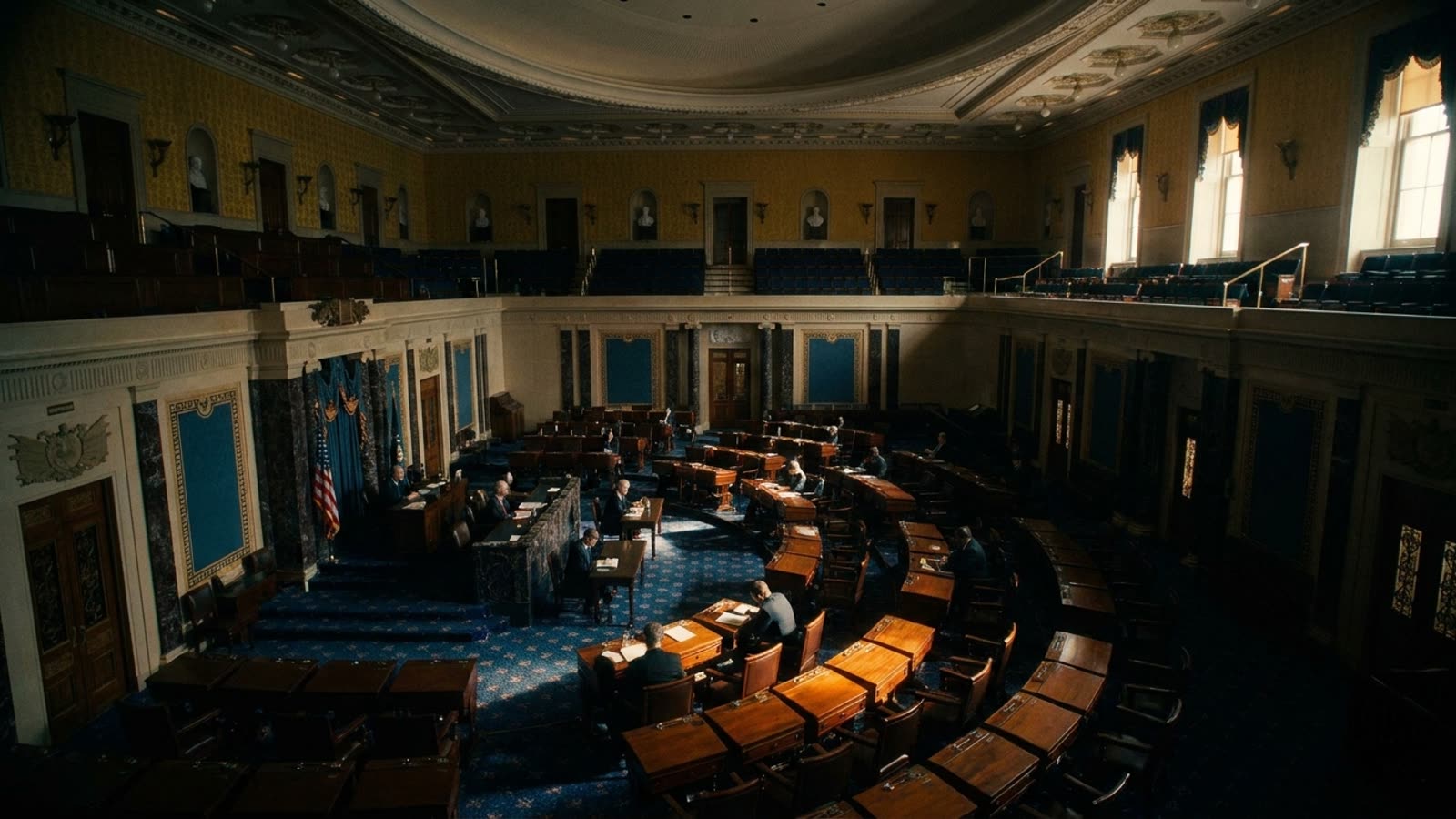
In the United States, a bill must survive the House, the Senate (with its supermajority cloture threshold), the president's veto pen, and increasingly, judicial review. Each chamber contains internal veto players: committee chairs, party leaders, and individual senators willing to place holds. The result is a system where major legislation often requires not just a majority but a coalition so broad it borders on consensus. When that coalition fractures — as it reliably does — the status quo wins by default.
The hidden cost of stability
Veto-player theory does not argue that gridlock is bad. Stability has value. A government that cannot easily nationalize your business also cannot easily confiscate your property. Investors, particularly foreign ones, often prefer predictable paralysis to volatile reform. The theory simply describes the trade-off: systems with many veto players purchase stability at the price of adaptability.
This trade-off becomes visible in crises. During the 2008 financial collapse, the U.S. Congress took weeks of wrenching negotiation to pass emergency measures that a parliamentary system might have enacted in days. During the eurozone debt crisis, the European Union's requirement for unanimous consent among member states turned every summit into a hostage negotiation. The status quo bias built into multi-veto systems can be a life raft or an anchor, depending on whether the status quo is worth preserving.
Beyond legislatures
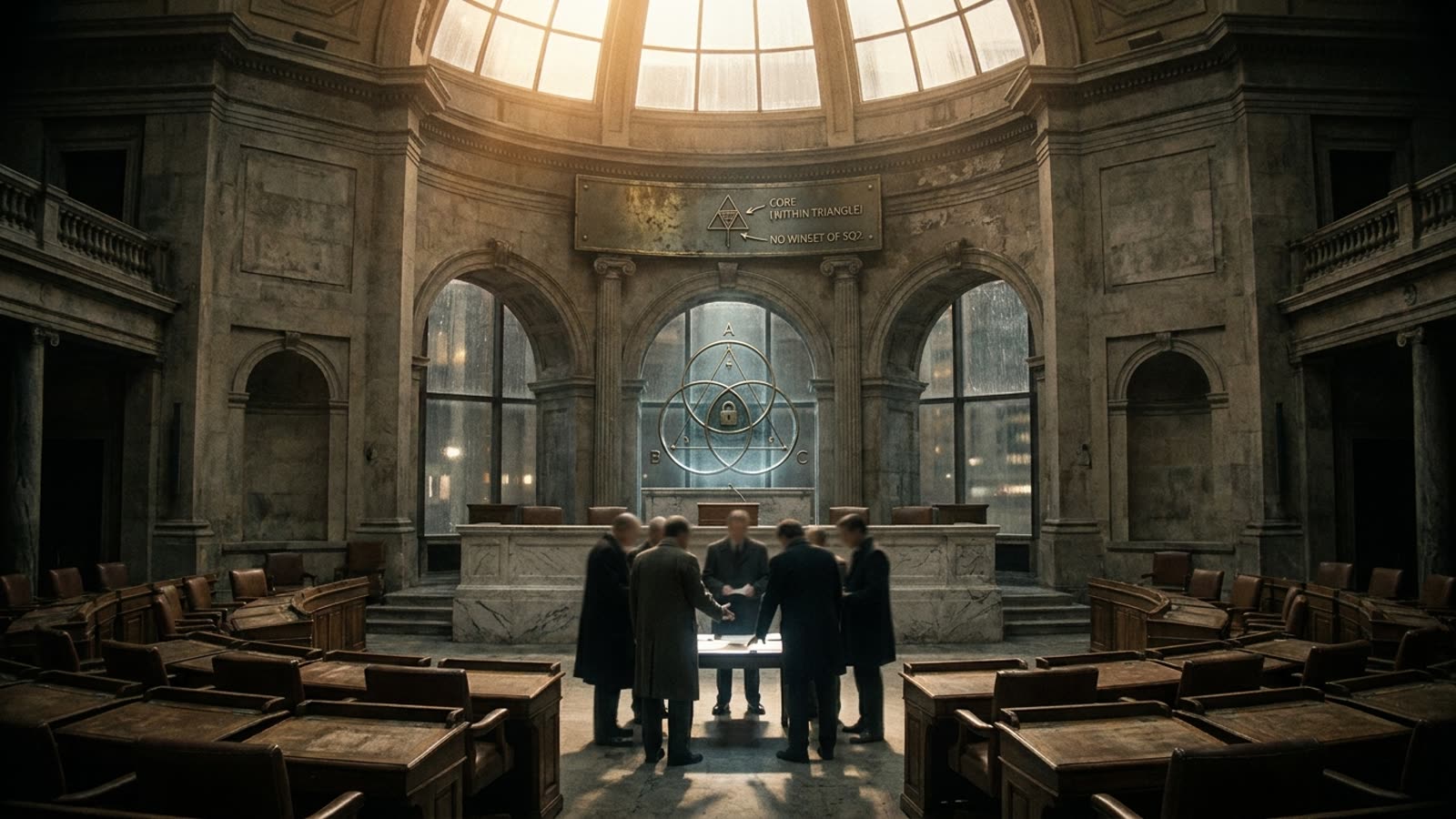
The framework extends beyond parliaments. In federal systems, subnational governments can become veto players on implementation. In the European Union, the Commission, Council, and Parliament form a triangle of mutual constraint. In authoritarian regimes, the military, ruling party, and security services may each hold informal vetoes, explaining why dictatorships often appear paralyzed despite their lack of elections. The theory is agnostic about regime type; it cares only about whose consent is required.
Our take
Veto-player theory is unfashionable precisely because it is useful. It refuses to flatter any ideology. It suggests that the American founders, in their fear of tyranny, built a machine optimized for inaction — and that this was a feature, not a bug, until the problems requiring government action outgrew the system's capacity to respond. Understanding veto players will not make you love your legislature, but it will stop you from being surprised when it fails to act. That is worth something.