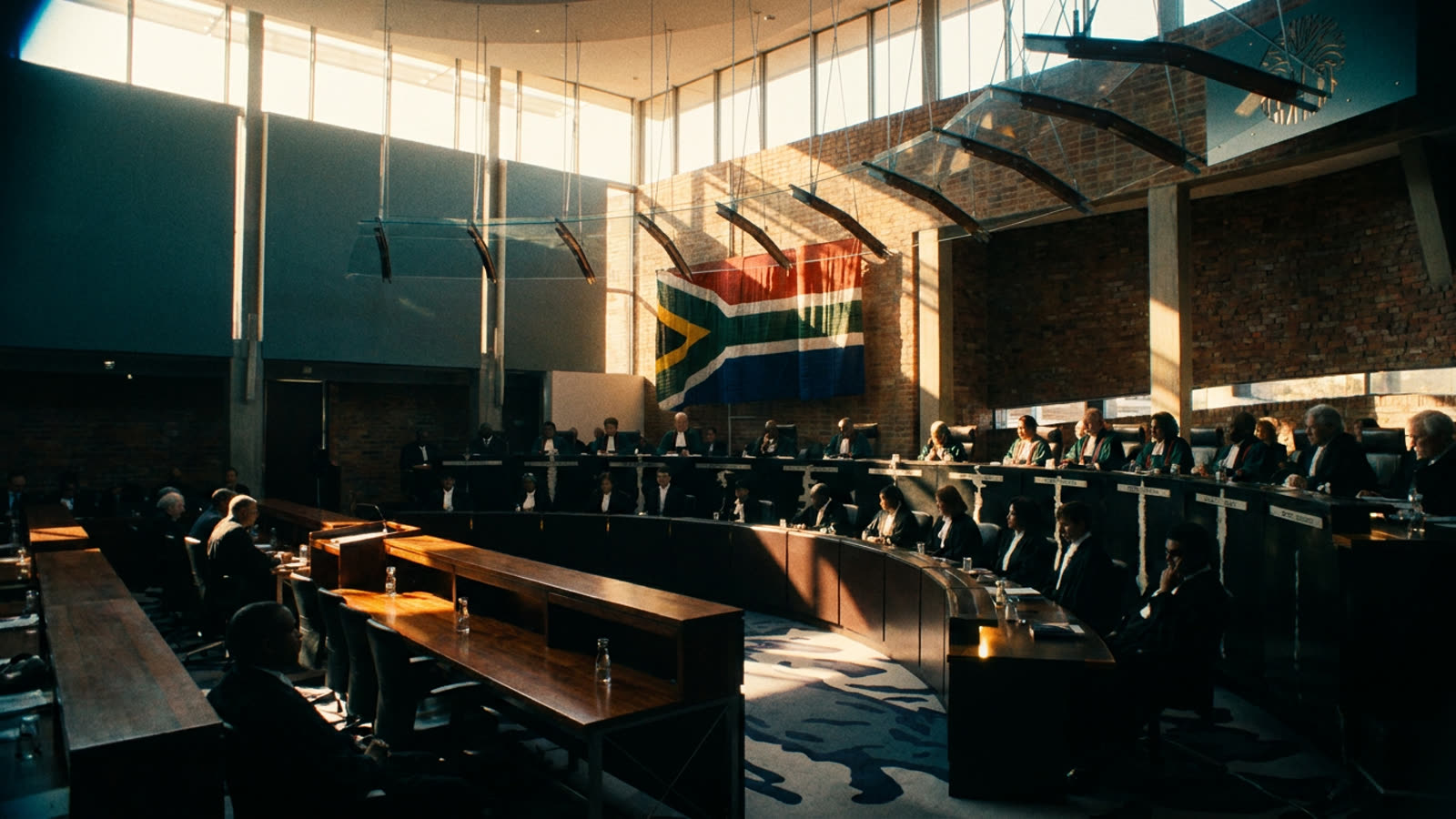
The European Union has a parliament, a council of ministers, and a court—all familiar shapes of democratic governance. But the institution that actually sets the agenda, drafts the laws, and enforces the treaties is something stranger: the European Commission, a hybrid of executive branch, regulatory agency, and permanent civil service that answers to no single electorate yet shapes the lives of 450 million people.
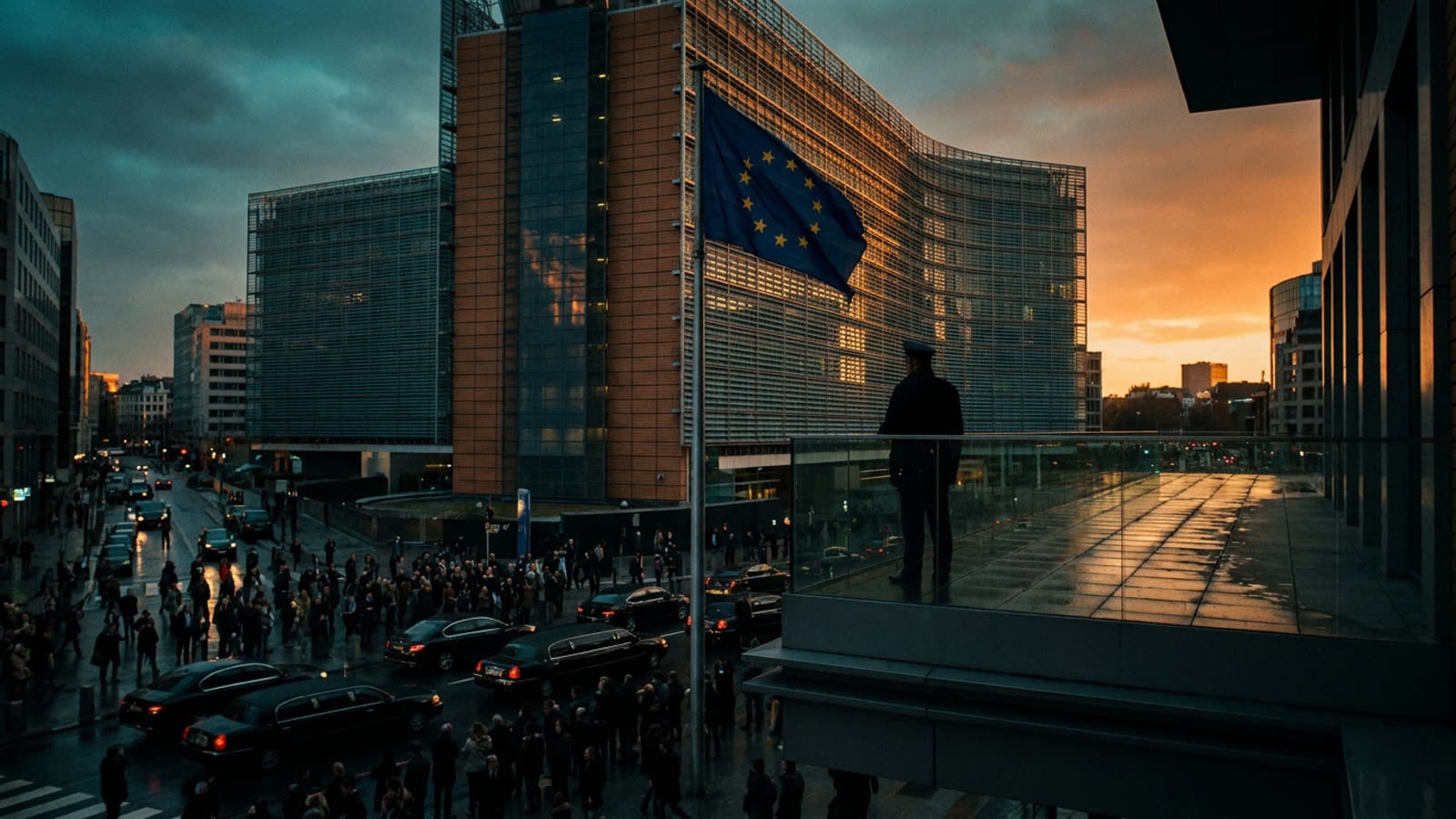
Most coverage of EU affairs focuses on summits where heads of government pose for photographs. The real work happens in the Berlaymont building, where the Commission's directorates-general quietly draft the regulations that determine everything from pesticide limits to data privacy standards to competition enforcement against the world's largest technology companies.
The monopoly on initiative
The Commission's most distinctive power is also its least understood: the exclusive right of legislative initiative. Unlike the American system, where any member of Congress can introduce a bill, or the British system, where government and backbenchers alike may propose legislation, the EU reserves this function almost entirely for the Commission. The Parliament and Council can amend, delay, or reject proposals, but they cannot write their own. This gives the Commission extraordinary agenda-setting power—the ability to decide not just what Europe debates, but what it never considers at all.
This arrangement was a deliberate choice by the EU's founders, who wanted a body insulated from national pressures to propose legislation in the "European interest." Critics call it a democratic deficit. Defenders argue it prevents the chaos of competing national bills and forces member states to negotiate from a common starting point.
Guardians and enforcers
Beyond proposing laws, the Commission serves as "guardian of the treaties," with power to investigate and prosecute member states that violate EU rules. It can—and does—take governments to the European Court of Justice, impose fines, and withhold funds. This enforcement role has grown increasingly contentious as disputes over judicial independence, migration policy, and budget rules have tested the limits of European solidarity.
The Commission also wields significant executive power in competition policy, where it can block mergers, fine companies billions of euros, and order the restructuring of entire industries without approval from any elected body. Its decisions on state aid and antitrust have reshaped markets from telecommunications to aviation to digital advertising.
The college and the machine
The Commission's political leadership consists of twenty-seven commissioners, one from each member state, nominated by national governments but required to act independently of them. The Commission president—currently chosen through a process that involves both the European Council and Parliament—assigns portfolios and sets strategic priorities. Below the commissioners sits a permanent bureaucracy of roughly 32,000 officials, organized into directorates-general that mirror traditional government ministries.
This structure creates a peculiar accountability gap. Commissioners are not elected but can be removed by Parliament. Civil servants are permanent and largely invisible. The result is an institution that combines technocratic expertise with political leadership but lacks the direct democratic legitimacy that national governments claim.
Our take
The Commission is neither the sinister superstate of Euroskeptic imagination nor the neutral technocracy its defenders sometimes pretend. It is a genuinely novel form of governance—powerful, effective, and democratically awkward. Understanding how it actually works is essential for anyone trying to make sense of European politics, and increasingly, of global regulatory trends. When Brussels sets a standard, the world often follows. The people drafting those standards deserve more scrutiny than they typically receive.