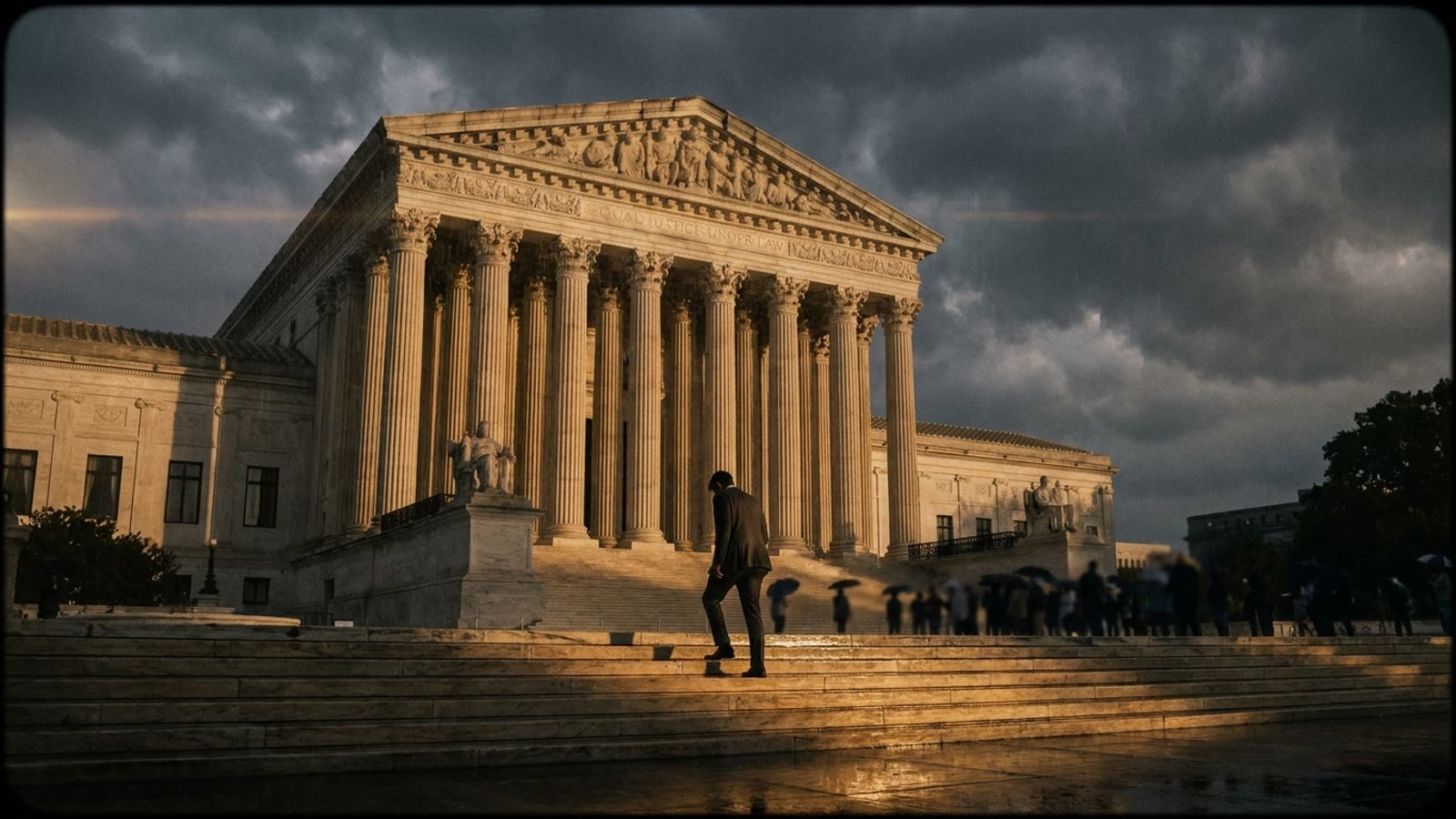
Every modern democracy rests on a peculiar bargain: unelected judges wielding the power to overturn laws passed by elected majorities. The arrangement works only so long as citizens believe courts are interpreting law rather than making it. That belief is fraying everywhere.
The politicization of high courts is not an American invention, though Americans have perfected its most theatrical forms. From Warsaw to Jerusalem to Brasília, the same pattern emerges: governments discover that capturing the judiciary offers more durable power than winning any single election. Laws can be repealed; constitutional interpretations endure for generations.
The appointment trap
The fundamental problem is structural. Someone must choose the judges, and whoever chooses shapes outcomes. The United States opted for presidential nomination with Senate confirmation, a system that functioned tolerably when the court decided fewer culturally explosive cases and senators routinely confirmed qualified nominees regardless of ideology. Neither condition holds today.
Other democracies tried different models. Germany splits appointments between its two legislative chambers, producing a court that roughly mirrors the political center. France allows outgoing presidents to appoint constitutional council members, creating a body that critics dismiss as a retirement home for politicians. The United Kingdom, until recently, let judges essentially select their own successors through an opaque tap-on-the-shoulder system—apolitical, perhaps, but hardly democratic.
None of these arrangements has proven immune to manipulation. Poland's ruling party simply refused to seat judges appointed by its predecessors, then packed the tribunal with loyalists. Hungary's government expanded its constitutional court and filled the new seats. Israel's recent judicial overhaul crisis demonstrated that even mature democracies can tear themselves apart over who controls constitutional interpretation.
The retirement gamble
Strategic retirement has become its own dark art. Justices who once served until death or genuine incapacity now time their departures to ensure ideological succession. The practice is rational for any individual judge who cares about their legacy, yet collectively corrosive. It transforms the court into a game of actuarial speculation, where a justice's health becomes a matter of intense partisan interest.
The alternative—term limits—carries its own risks. Fixed terms might reduce the stakes of any single appointment, but they also guarantee regular confirmation battles and could encourage judges to cultivate post-court careers while still on the bench. There is no clean solution, only trade-offs between different forms of politicization.
When legitimacy cracks
Courts possess no armies. Their authority rests entirely on the willingness of other institutions and citizens to accept their rulings. That acceptance has historically depended on a shared fiction that judges discover law rather than create it. As that fiction becomes less tenable, courts face an impossible choice: retreat from controversial decisions and cede ground to majoritarian politics, or press forward and risk being ignored or defied.
The honest answer is that constitutional courts have always been political institutions dressed in robes. What has changed is not the underlying reality but the willingness of political actors to say so publicly—and to act accordingly.
Our take
The nostalgia for an apolitical judiciary misremembers history. Courts have shaped policy since Marbury v. Madison, and the pretense of pure legal reasoning has always served political ends. The real question is not whether courts are political but whether they remain legitimate political institutions—constrained by norms, responsive to sustained public opinion over time, and accepted as final arbiters even by those who lose. That legitimacy, once squandered, is extraordinarily difficult to rebuild. The democracies now fighting over their courts may discover this too late.