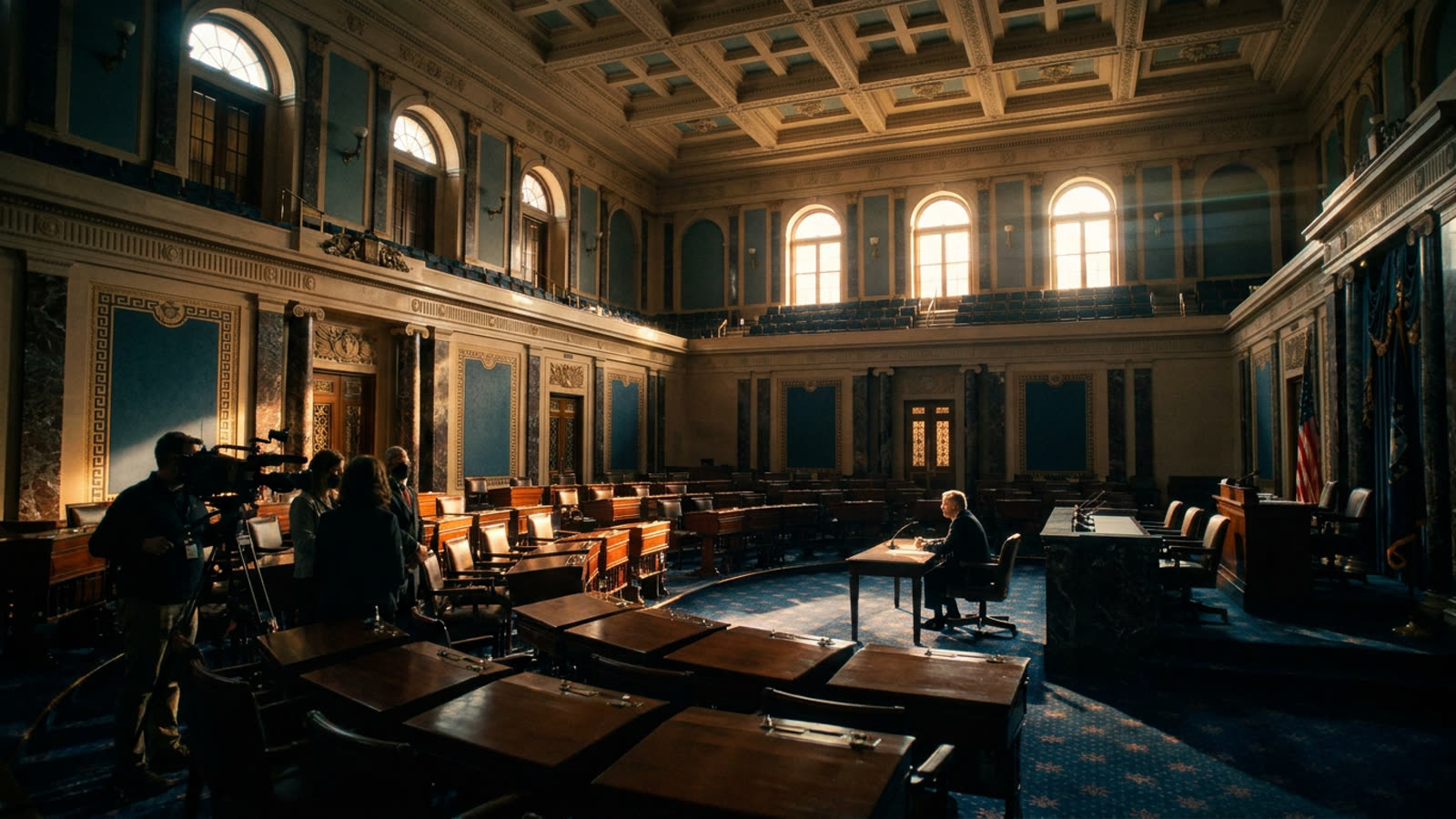
The United States Senate operates on unanimous consent. This sounds like a quaint formality until you realize what it means in practice: any single senator can object to virtually anything, and the body grinds to a halt. The mechanism by which this happens most consequentially is the hold — an informal practice with no basis in Senate rules, no time limit, and until recently, no requirement that the senator even identify themselves publicly.
The hold is not a filibuster. It requires no speechmaking, no physical endurance, no public spectacle. A senator simply notifies their party leader that they object to a nomination or bill proceeding, and the leader — by longstanding courtesy — declines to bring the matter forward. The objecting senator need not explain their reasoning. They need not appear on the floor. They can maintain their obstruction for weeks, months, or the remainder of a congressional session while attending fundraisers and issuing press releases about their commitment to good governance.
The courtesy that became a weapon
The hold emerged in the mid-twentieth century as a scheduling convenience. Senators travel constantly; the practice allowed members to signal that they needed more time to review a matter before it came to a vote. The courtesy assumed good faith. It assumed senators would use holds sparingly and lift them once their concerns were addressed.
That assumption proved catastrophically naive. By the 1990s, holds had become instruments of leverage. Senators discovered they could extract concessions from the executive branch by threatening to block nominees. They could punish agencies whose decisions displeased them. They could hold hostage ambassadorships, judgeships, and undersecretaries for reasons entirely unrelated to the qualifications of the nominees themselves — a military base closing in their state, a contract awarded to a competitor, a policy dispute with a different department entirely.
The accountability vacuum
For decades, holds could be placed anonymously. A senator could paralyze a nomination without ever attaching their name to the obstruction. Reforms in 2007 and 2011 attempted to address this by requiring disclosure after a set period, but the rules contain loopholes. Senators can rotate holds among allies, or lift them just before disclosure deadlines and reimpose them afterward. The practical effect is that accountability remains elusive.
The consequences are tangible. Ambassadorships sit vacant for years. Agencies operate without confirmed leadership. Qualified nominees withdraw rather than endure indefinite limbo. The executive branch, regardless of which party controls it, finds itself unable to staff the government it was elected to run. The hold transforms the Senate's constitutional role of advice and consent into something closer to advice and extortion.
Our take
The hold persists because it benefits incumbents of both parties. Every senator, no matter how junior, gains outsized leverage from a system that lets one member obstruct the many. Reforming it would require senators to voluntarily surrender power — a request that has historically produced more speeches than votes. The hold is not a bug in American governance; it is a feature that reveals how much of the system runs on norms rather than rules, and how quickly norms collapse when the incentives favor defection.