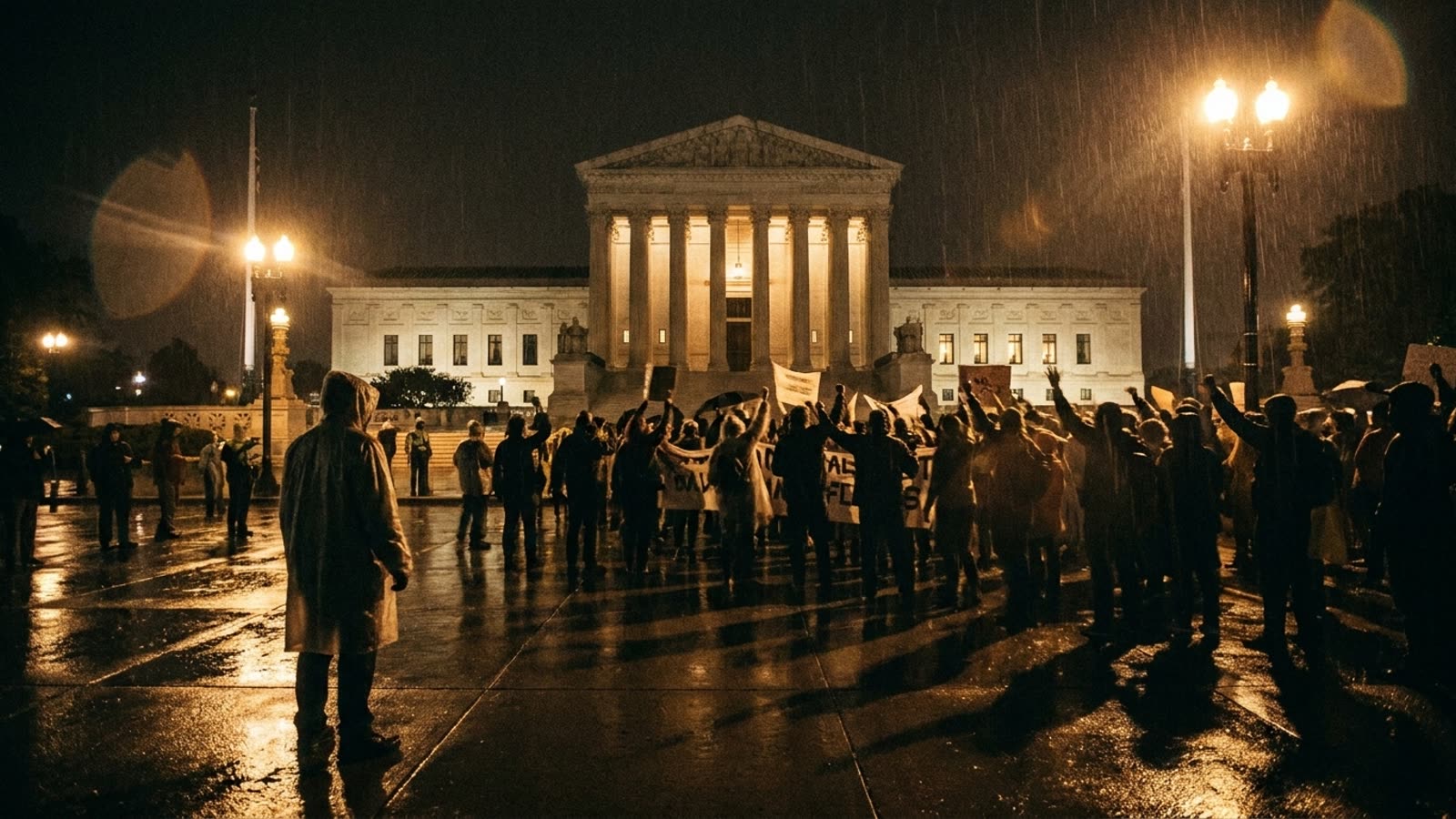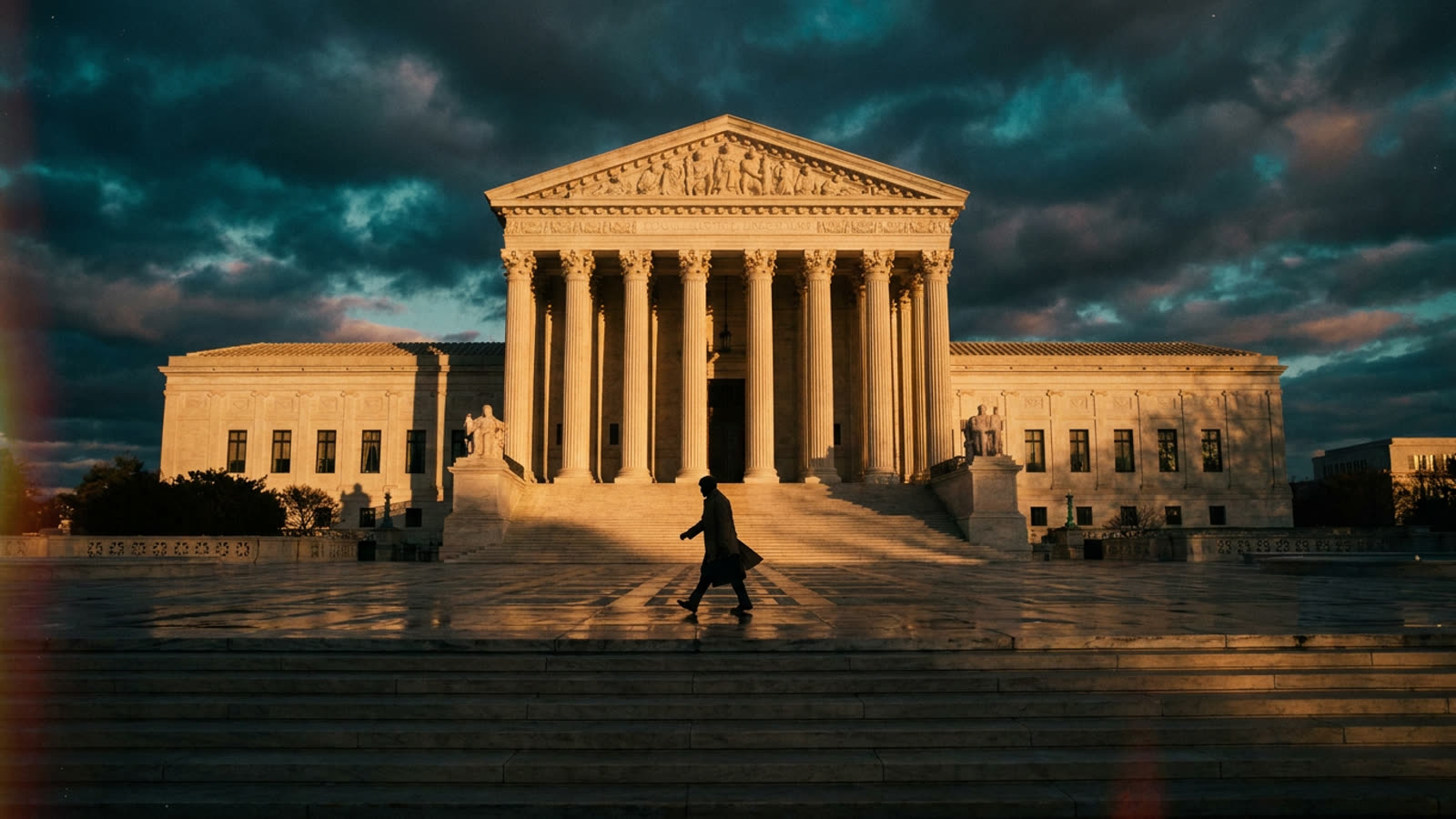
The phrase sounds like something from a legal thriller, but the shadow docket is entirely real and increasingly consequential. It refers to the thousands of orders the Supreme Court issues each term outside its regular merits docket—the one with oral arguments, lengthy opinions, and the familiar rhythm of constitutional drama. For most of the Court's history, these emergency orders were unremarkable: stays of execution, extensions of filing deadlines, the bureaucratic pulse of a busy institution. That has changed.
Over the past decade, the shadow docket has become a venue where major policy disputes are effectively resolved, sometimes in the middle of the night, often in unsigned orders that offer little or no legal reasoning. The result is a kind of stealth jurisprudence, binding on lower courts and shaping American life without the transparency the public expects from its highest tribunal.
The mechanics of emergency relief
The shadow docket's power derives from the Court's authority to grant emergency relief—typically stays or injunctions—while full litigation proceeds below. A party seeking such relief must show, among other things, a likelihood of success on the merits and irreparable harm. In theory, these orders are temporary, preserving the status quo until the Court can hear a case properly. In practice, they often become the final word.
Consider the pattern: a lower court blocks a federal policy; the government asks the Supreme Court to stay that ruling; the Court grants the stay in a brief order, sometimes with no explanation beyond a vote count. The policy takes effect. By the time the case reaches the merits docket—if it ever does—the practical dispute may be moot or the political landscape transformed. The emergency order was, functionally, the decision.
Why transparency matters
Critics across the ideological spectrum have raised alarms. When the Court issues a merits opinion, it must explain its reasoning. Lower courts, litigants, and the public can scrutinize the logic, identify the doctrinal commitments, and predict future applications. Shadow docket orders offer none of this. A single paragraph—or sometimes a single sentence—can upend nationwide policy without revealing which legal standard the majority applied or why the dissenters disagreed.
This opacity has practical consequences. Lower court judges struggle to interpret shadow docket rulings because there is no opinion to parse. Lawyers cannot advise clients with confidence. And the public, already skeptical of judicial institutions, sees outcomes without explanations, breeding suspicion that the Court is acting politically rather than legally.
The institutional stakes
Defenders of the current practice argue that emergency relief has always been part of the Court's toolkit and that critics are simply unhappy with particular outcomes. There is some truth here: attention to the shadow docket spiked when the Court began granting relief the previous administration sought and denying it to the next. But the structural concern transcends any single presidency. A Court that routinely decides major questions through unexplained orders is a Court that has insulated itself from the discipline of reasoned elaboration—the very thing that distinguishes law from fiat.
Our take
The shadow docket is not inherently illegitimate, but its current use has outpaced its justification. Emergency relief should be rare and genuinely temporary, not a fast lane for policy preferences. The Justices could, without legislative reform, adopt internal norms: requiring written explanations for consequential stays, limiting emergency relief to true emergencies, and ensuring that the merits docket catches up to the shadow docket's ambitions. Whether they will do so depends on whether they believe their legitimacy rests on transparency or merely on finality. History suggests the former matters more than the Court sometimes remembers.