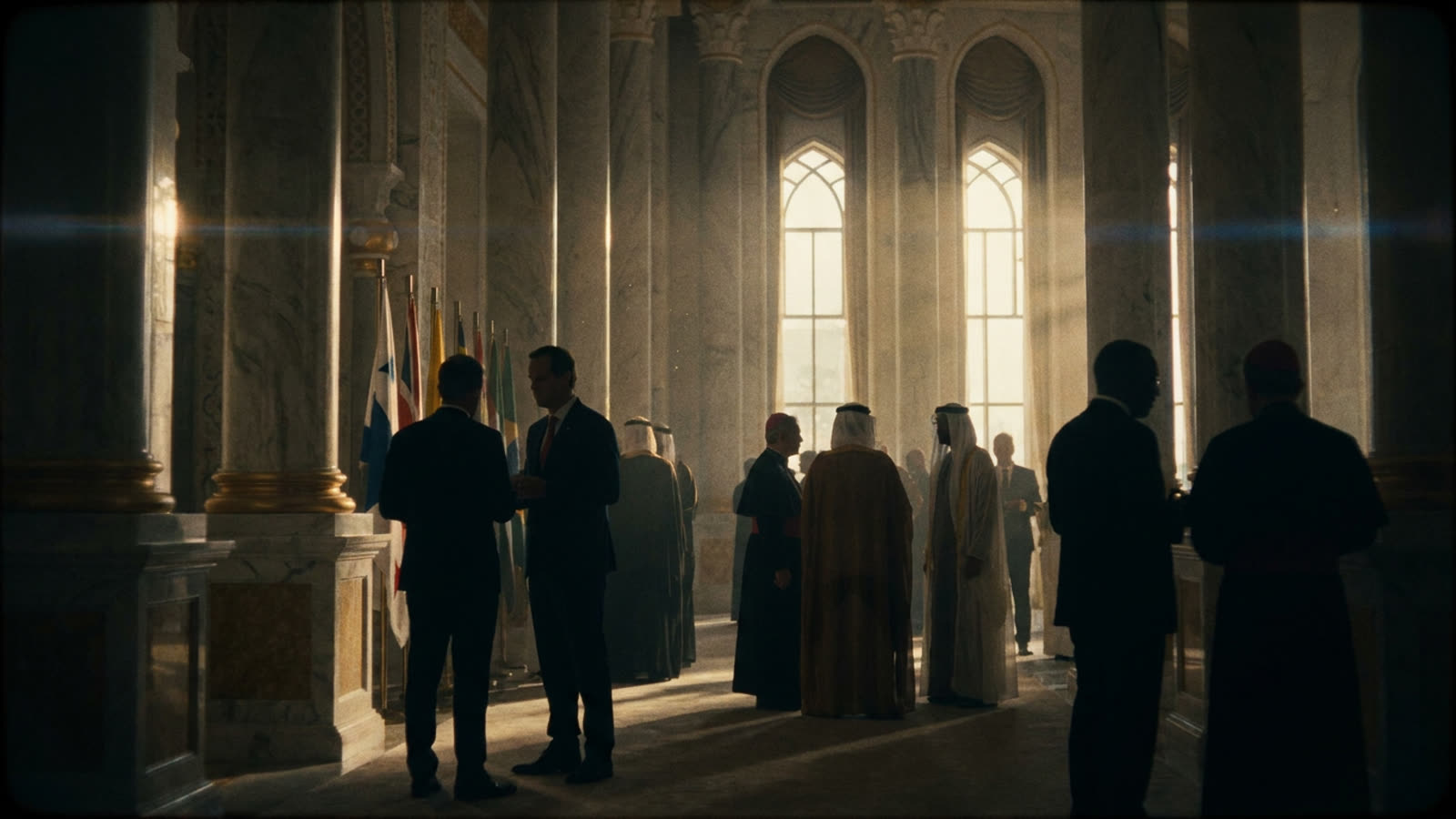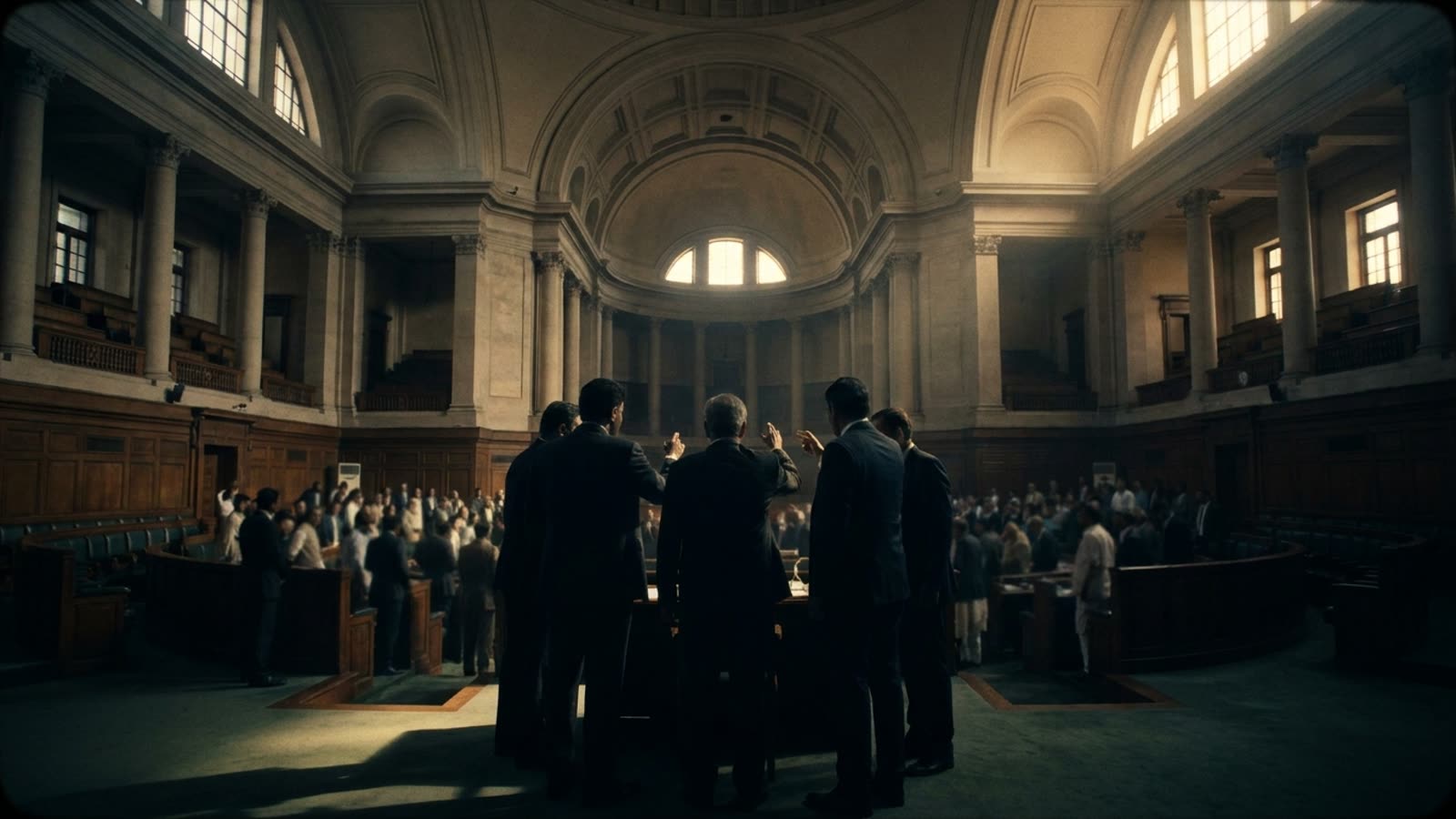
Every functioning democracy contains a structural contradiction: it grants certain citizens the legal right to do things that would land everyone else in prison. This is parliamentary immunity, and it exists in nearly every legislature on earth, from the Bundestag to the Brazilian Congress, the European Parliament to the Indian Lok Sabha. Understanding how it actually works reveals something fundamental about the uneasy relationship between law and power.
The principle traces to medieval England, where the Crown's habit of arresting inconvenient MPs before crucial votes prompted Parliament to assert that its members could not be detained during sessions. The logic was straightforward: if the executive could simply jail legislators who opposed it, representative government would be theater. Over centuries, this protection calcified into two distinct doctrines that most democracies now maintain in some form.
The two shields
The first is non-accountability, sometimes called inviolability of speech. This grants absolute protection for anything said or voted in the chamber. A German parliamentarian cannot be sued for defamation over floor remarks. A French député faces no liability for committee testimony. This protection is typically permanent and cannot be waived — the institution itself, not the individual, holds the privilege.
The second is inviolability proper: protection from arrest, detention, or prosecution for acts outside the chamber. This is where things get complicated. Most systems allow the legislature itself to lift this immunity through a vote, creating an inherently political process. When Italian prosecutors wanted to try Silvio Berlusconi while he served as prime minister, the question of immunity became a years-long constitutional saga. When Greek lawmakers faced corruption charges during the debt crisis, immunity votes became proxy battles over austerity itself.
The European laboratory
The European Parliament offers a fascinating case study because it must harmonize twenty-seven national traditions. MEPs enjoy immunity under their home country's rules while in their own territory, but a separate EU protocol applies elsewhere. The Parliament's Committee on Legal Affairs regularly votes on requests from national prosecutors to strip members of protection — proceedings that reveal how differently member states interpret the doctrine. Nordic countries tend toward narrow immunity; southern European systems historically granted broader shields.
The results can appear absurd. A Hungarian MEP might face prosecution in Belgium for statements that would be protected in Budapest. A Spanish legislator charged with sedition might retain immunity while colleagues accused of lesser offenses lose theirs, depending entirely on political arithmetic.
The accountability problem
Critics argue that immunity has metastasized beyond its original purpose. In some jurisdictions, it effectively places politicians above ordinary law for years at a time. Investigations stall, witnesses scatter, evidence degrades. By the time immunity lapses or is lifted, prosecutions may be functionally impossible. Defenders counter that the alternative is worse: prosecutors answering to the executive branch could weaponize criminal law against opposition figures, as happens routinely in less democratic systems.
The tension is irreducible. Parliamentary immunity exists precisely because we do not fully trust the other branches of government — yet its existence requires us to trust legislators not to abuse it. Every system balances these concerns differently, and none has solved the fundamental problem.
Our take
Parliamentary immunity is one of those features that sounds like corruption until you imagine its absence. The same mechanism that lets a venal politician delay his fraud trial also lets a dissident legislator denounce a dictator without immediate arrest. The question is never whether immunity should exist but how narrowly it can be drawn while still serving its purpose. Most democracies have drawn the line too generously, but the principle itself remains sound. Some hypocrisies are load-bearing.