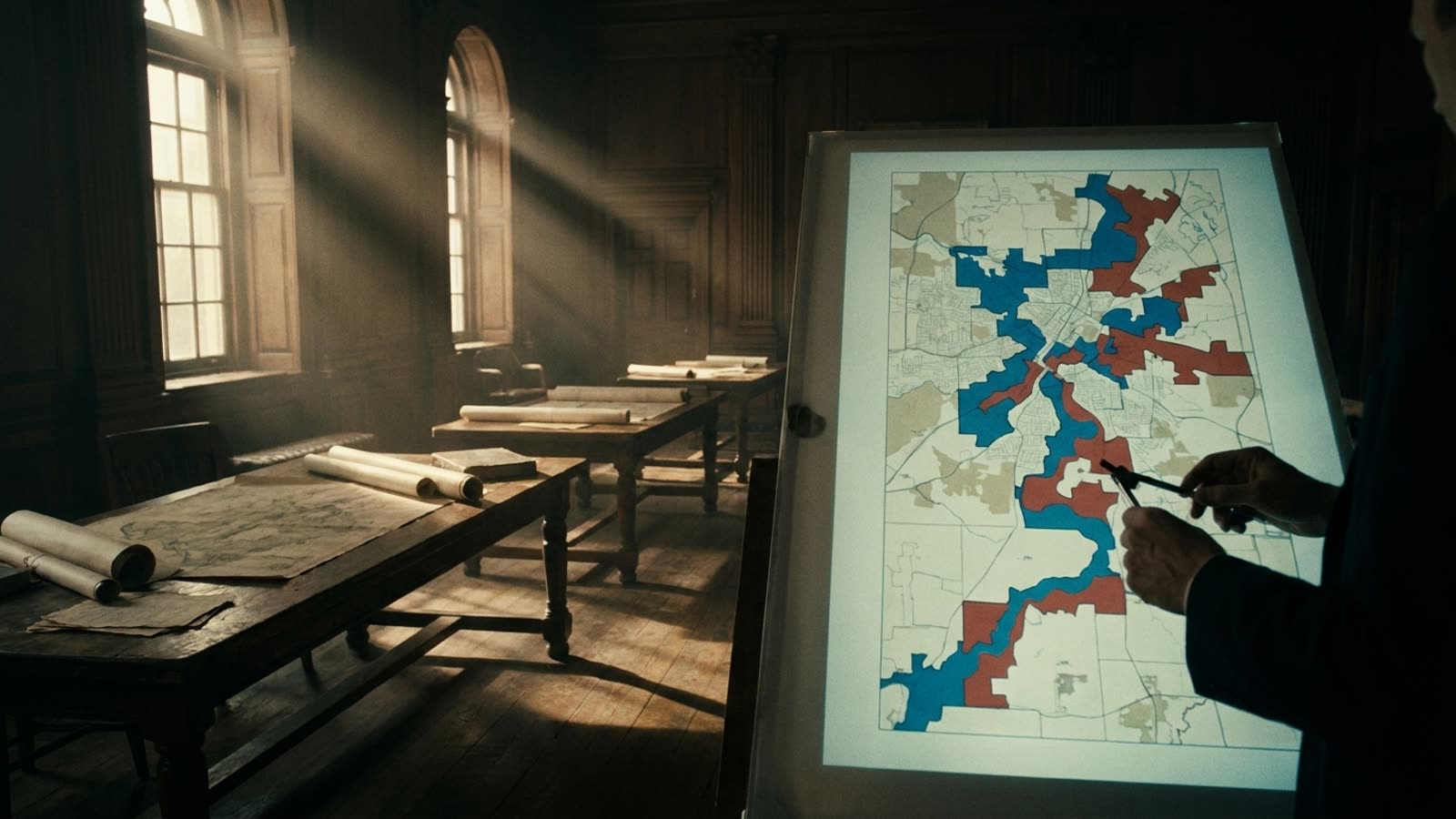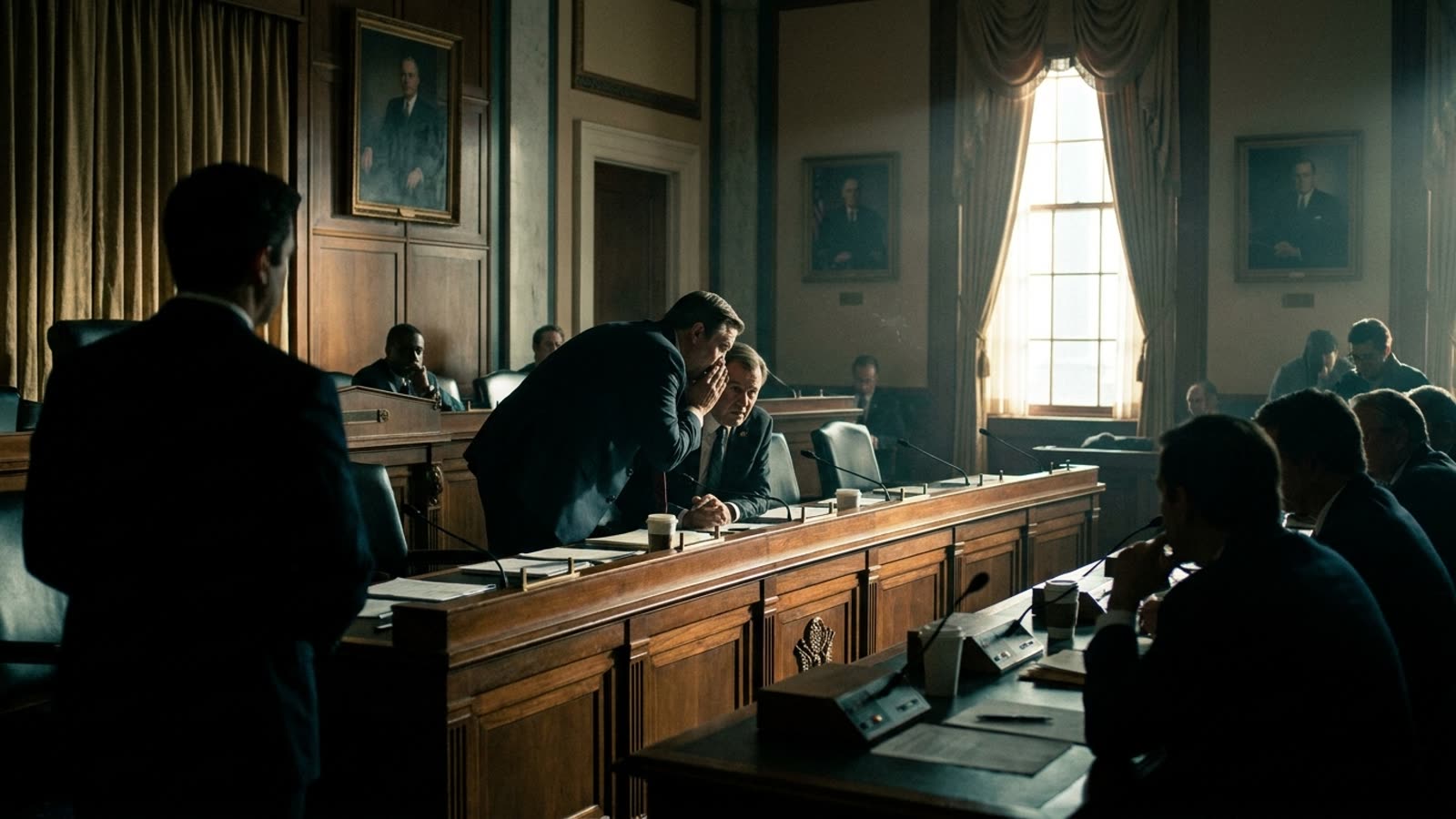
Every year, roughly 7,000 petitions land at the Supreme Court's doorstep, each one representing someone's last legal hope, a state's regulatory authority, or a corporation's billion-dollar bet. Fewer than 80 will be heard. The mechanism that separates the chosen from the ignored is not a vote of the majority, not a formula, and not even a formal rule — it is an internal custom called the 'rule of four,' and it grants an ideological minority on the Court extraordinary power to set the national agenda.
The process works like this: if any four of the nine justices vote to grant certiorari — the formal acceptance of a case — the petition proceeds to full briefing and oral argument. No explanation is required. No dissent is published when cert is denied. The American public learns only that thousands of cases were rejected, with no insight into which justices wanted to hear them or why.
The arithmetic of agenda control
The rule of four emerged in the 1920s as an informal promise to Congress during debates over the Judiciary Act of 1925, which dramatically expanded the Court's discretionary docket. Justices assured legislators that a minority could still force consideration of important questions. A century later, the custom persists without ever having been codified in statute or the Court's formal rules.
What this means in practice is profound. A cohesive bloc of four justices can consistently elevate cases that advance a particular constitutional vision, even when the majority would prefer silence. Conversely, five justices cannot prevent a case from being heard if four are determined. This asymmetry creates a kind of minority veto in reverse — not blocking action, but compelling it.
Strategic patience and its limits
Savvy litigants and advocacy groups understand the rule intimately. They craft petitions designed to appeal to specific coalitions, timing their filings to coincide with favorable Court compositions. When a particular justice retires or dies, pending petitions are sometimes withdrawn and refiled years later, waiting for the arithmetic to shift.
Yet the rule also produces strange restraints. Justices occasionally engage in what scholars call 'defensive denials' — voting against cert on cases they might win, fearing that an unfavorable ruling would be worse than no ruling at all. The docket becomes a chess game where the decision to play is as strategic as the moves themselves.
The democracy of silence
Cert denials carry no precedential weight, yet they speak volumes through their silence. When the Court declines to hear a challenge to a lower court ruling, that ruling stands, affecting millions of people in that circuit. Different circuits may rule differently on identical questions for years, creating a patchwork of constitutional meaning across the country. The rule of four determines not just what the Court says, but what it chooses never to address.
Our take
The rule of four is a gentleman's agreement masquerading as constitutional architecture. It grants agenda-setting power to minorities in ways that would horrify the Framers if applied to legislation, yet it persists because it serves the justices' collective interest in managing their workload and maintaining institutional mystique. Americans who believe the Supreme Court simply decides cases brought before it misunderstand the institution entirely. The Court is, first and foremost, an editor — and like all editors, its greatest power lies in what it declines to publish.