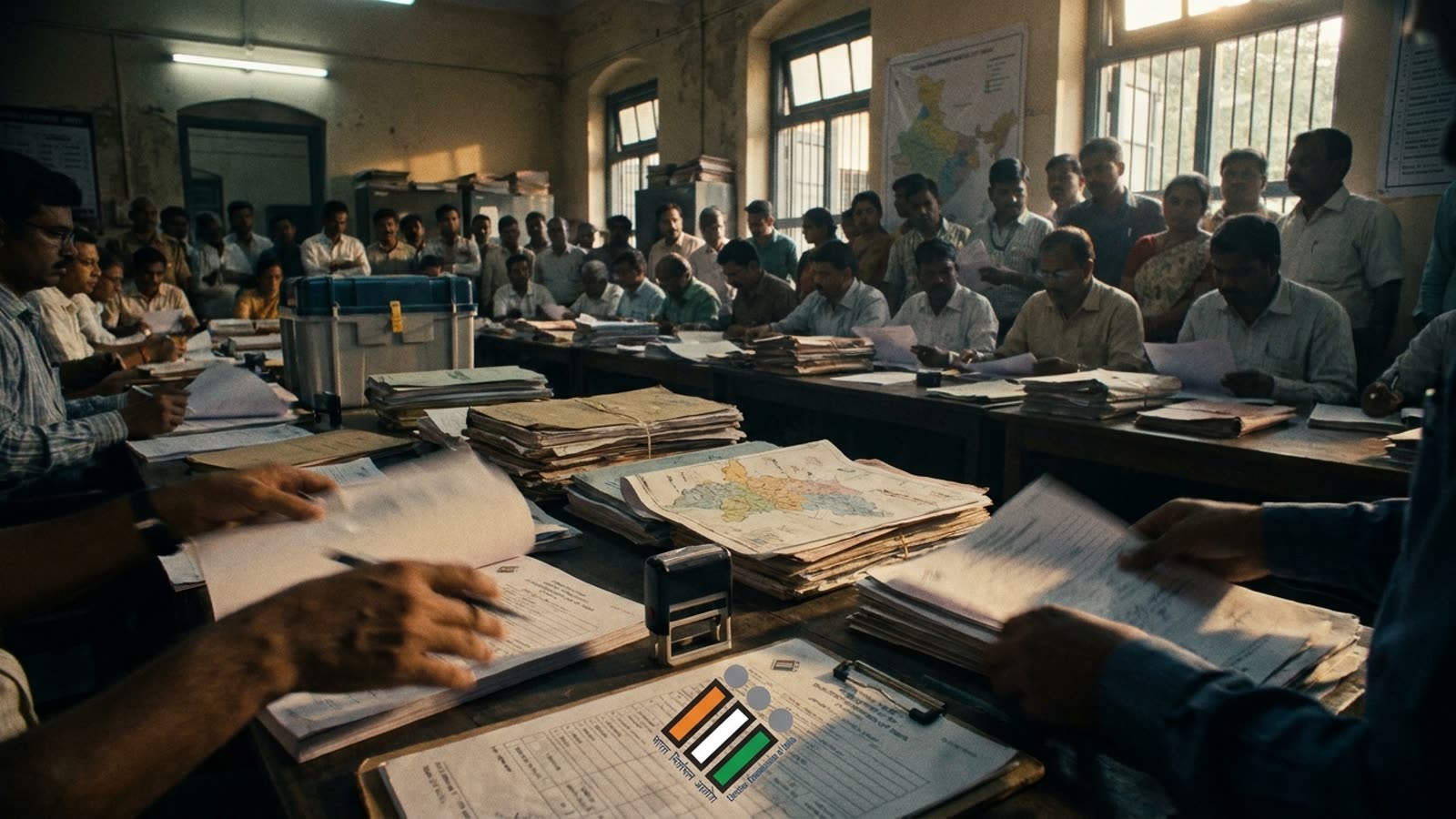
The election results come in, the television anchors declare a hung parliament, and then something curious happens: democracy goes quiet. For days or weeks, sometimes months, the real business of determining who will govern takes place in conference rooms, over dinners, through intermediaries, and via carefully leaked trial balloons. The coalition negotiation is where campaign promises go to be bartered, where strange bedfellows discover common cause, and where the actual distribution of power gets settled.
This process—opaque, unglamorous, and often maddening to voters who thought they had already decided things—has become the norm rather than the exception across parliamentary democracies. Single-party majorities are increasingly rare in Western Europe, Israel, much of Asia, and beyond. Understanding how coalitions form is now essential to understanding how these countries are actually governed.
The arithmetic before the ideology
The first constraint is brutally simple: you need enough seats to survive a confidence vote. Everything else—policy platforms, ideological compatibility, personal relationships between leaders—matters only after the math works. This is why coalitions often look incoherent from the outside. A center-left party might partner with agrarian conservatives rather than urban greens simply because the numbers add up better.
Formateurs—the officials tasked with assembling coalitions—typically begin by mapping every mathematically viable combination. In the Netherlands, where the party system is exceptionally fragmented, this can mean dozens of theoretically possible governing arrangements. The formateur then works backward from arithmetic to politics, testing which combinations might actually hold together.
The currency of portfolios
What do junior coalition partners actually get? Ministerial portfolios are the primary currency. A party with fifteen percent of seats might demand the finance ministry, or foreign affairs, or whatever policy area most animates its voters. The allocation follows rough proportionality but with significant bargaining around prestige and policy control.
The subtler negotiation concerns what Germans call the Koalitionsvertrag—the coalition agreement. These documents, which can run to hundreds of pages, specify in remarkable detail what the government will and will not do. They represent a kind of pre-legislation, binding partners to positions before any bill reaches the floor. Experienced negotiators know that a well-drafted coalition agreement matters more than which party holds which ministry.
When formations fail
Not every negotiation succeeds. Belgium famously went 541 days without a government after its 2010 elections, a record for a developed democracy. Israel has cycled through five elections in four years when coalitions collapsed or failed to form. The consequences of failed formation are not merely political embarrassment—they mean caretaker governments with limited authority, delayed budgets, and policy paralysis.
The threat of failure, however, also concentrates minds. Parties that refuse reasonable compromises risk being blamed for new elections, which voters tend to punish. This dynamic creates pressure toward agreement even among partners who genuinely dislike each other.
Our take
Coalition formation is democracy's least transparent moment, and perhaps that is unavoidable. The alternative—endless elections until someone wins outright—is worse. But voters deserve better insight into what their representatives are trading away in those conference rooms. The coalition agreement should be treated as the consequential document it is, debated publicly before governments take office rather than revealed as a fait accompli. The smoke-filled room may be necessary, but it need not be quite so smoky.