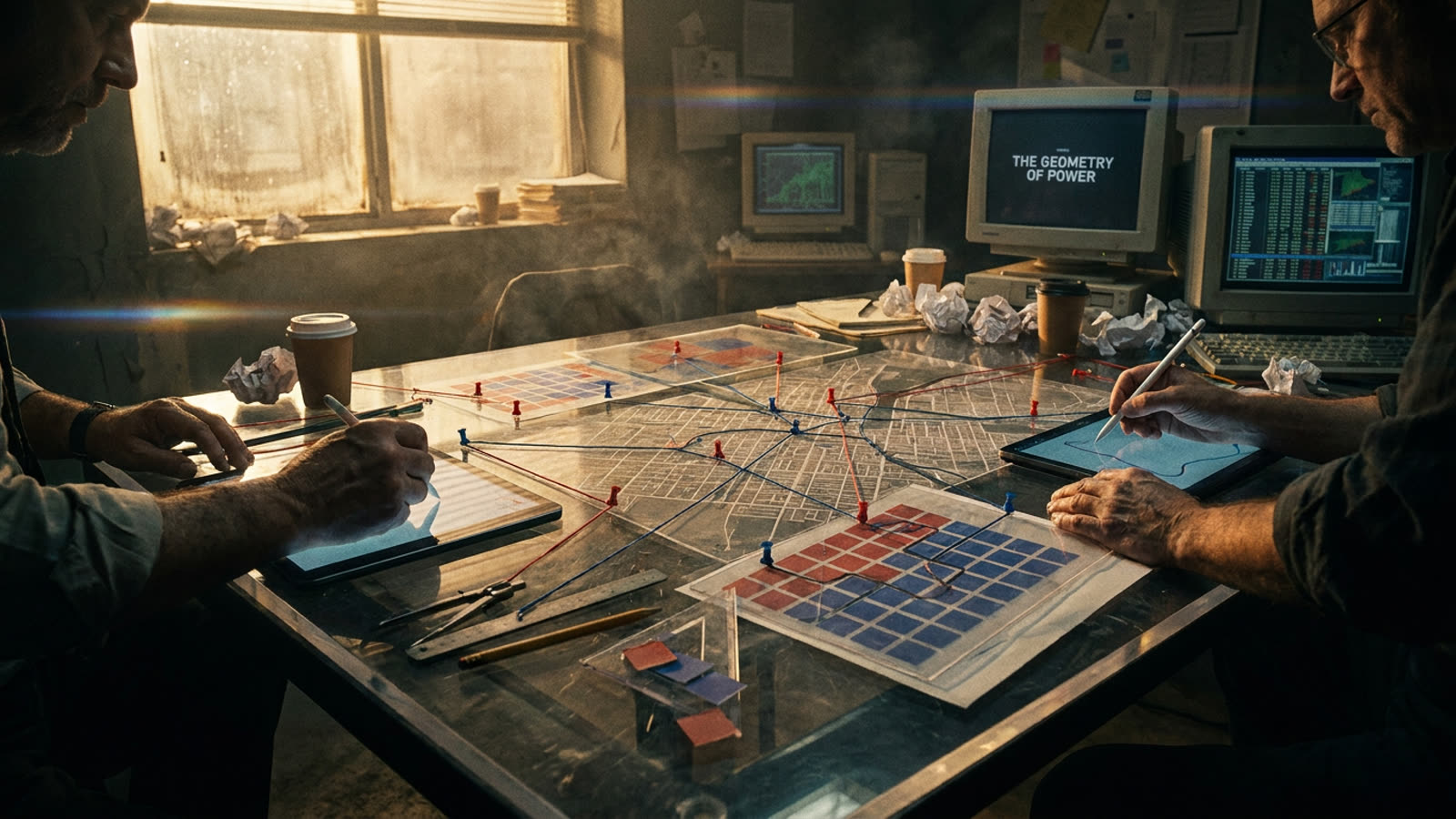
Political dynasties don't survive on nostalgia. They operate through a precise architecture of power transfer that most casual observers miss entirely. While voters debate whether another Bush or Clinton deserves the presidency based on merit, the real mechanisms of dynastic succession operate far from public view.
The invisible infrastructure
Dynastic families maintain what political scientists call "parallel institutions" — networks that exist alongside formal party structures but operate by different rules. These include donor circles cultivated over decades, staffers who rotate between family members' campaigns, and media relationships that treat the family as a permanent news source rather than temporary political actors.
The Kennedy operation pioneered this model in Massachusetts, creating what amounted to a shadow Democratic Party. When Bobby ran for Senate from New York, he didn't need to build a campaign from scratch — he activated dormant cells of the family network that had been maintained since his brother's presidency. The Gandhis in India perfected this further, maintaining control of the Congress Party even during years out of power through a web of loyalists in every state apparatus.
The apprenticeship system nobody discusses
Successful political dynasties run sophisticated apprenticeship programs that begin in childhood. This isn't about teaching table manners at formal dinners. Dynasty members learn to read rooms, parse polling data, and understand donor psychology before they can drive. They serve as unofficial advisors, sit in on strategy sessions, and build relationships with power brokers from adolescence.
George W. Bush's oft-mocked baseball team ownership wasn't a rich man's hobby — it was a carefully orchestrated platform for learning executive decision-making and building Texas business connections outside his father's shadow. Chelsea Clinton's McKinsey stint and foundation work followed the same pattern: credentialing exercises designed to build independent credibility while maintaining family network access.
The financial engineering
Dynasties require money, but not in the way most assume. The key isn't personal wealth but rather control over fundraising networks that treat political giving as a multi-generational relationship. These families maintain donor databases that track not just contribution history but personal connections spanning decades — who attended which weddings, whose children went to school together, who owes favors to whom.
The Cuomo family in New York demonstrated this perfectly. When Andrew ran for governor, he activated donor relationships his father Mario had cultivated in the 1980s, many of whom had contributed to nothing political in the interim. The donors weren't giving to Andrew — they were maintaining their investment in the Cuomo franchise.
Our take
Dynastic politics offends democratic sensibilities, but focusing on the fairness question misses the more interesting reality. These families have professionalized political power in ways that would make McKinsey jealous. The question isn't whether dynasties should exist — they're a natural consequence of human social organization. The question is whether anyone else can learn their techniques without the surname. The answer, increasingly, appears to be yes.