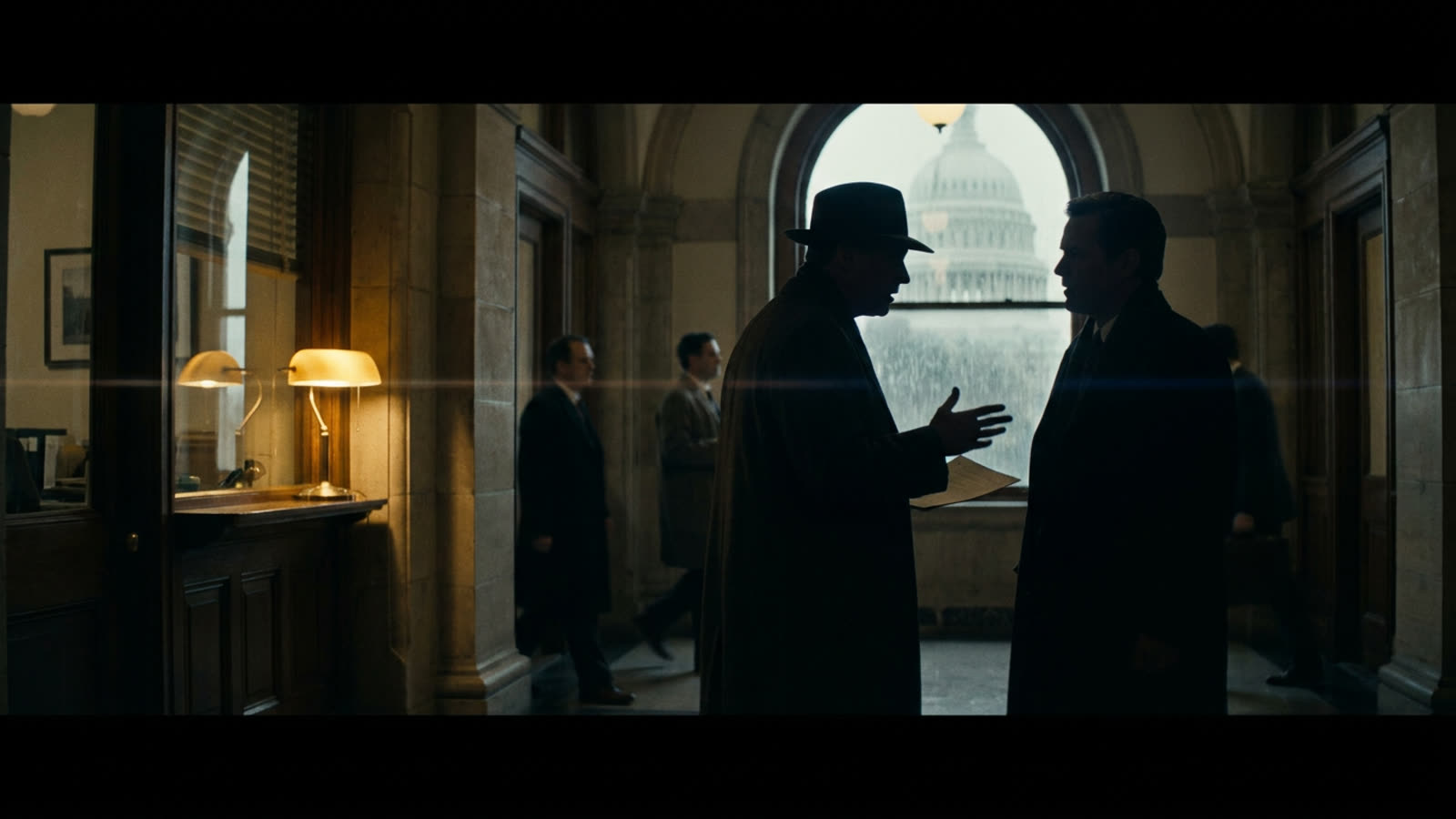
Parliamentary immunity exists because democracy requires that elected representatives be able to speak without fear of the king's dungeon. What began as a protection against monarchical overreach has evolved into one of the most contested features of modern governance, simultaneously enabling fearless oversight and sheltering bad actors from accountability.
The principle traces to England's Bill of Rights of 1689, which established that "the freedom of speech and debates or proceedings in Parliament ought not to be impeached or questioned in any court or place out of Parliament." The American founders embedded a version in Article I of the Constitution, granting members of Congress protection from arrest during sessions and immunity from being "questioned in any other Place" for legislative speech. Nearly every democracy has adopted some variant.
The two flavors of protection
Parliamentary immunity typically comes in two forms, and conflating them causes endless confusion. The first, often called "non-liability" or "inviolability of speech," protects legislators absolutely for anything said in official proceedings. A senator can accuse a private citizen of crimes on the chamber floor without facing defamation suits. A member of parliament can read classified documents into the record with impunity. This protection is generally permanent and cannot be waived.
The second form, "non-accountability" or procedural immunity, shields lawmakers from arrest or prosecution for ordinary crimes while serving. This protection is weaker and more variable. Most parliaments can vote to lift it, and many jurisdictions limit it to the legislative session itself. The European Parliament, for instance, regularly debates whether to strip immunity from members facing corruption investigations in their home countries.
When the shield becomes a sword
The tension is obvious. Immunity designed to let legislators expose government malfeasance also lets them defame private citizens, spread disinformation, and delay prosecution for genuine crimes. Italy's experience is instructive: former Prime Minister Silvio Berlusconi spent decades using parliamentary immunity and related protections to forestall corruption trials, turning the shield into a procedural weapon. Brazil, the Philippines, and numerous other democracies have watched legislators invoke immunity to evade accountability for conduct entirely unrelated to their legislative duties.
The European Court of Human Rights has repeatedly tried to draw boundaries, ruling that immunity cannot be absolute when it denies victims any legal remedy. National courts have pushed back on expansive interpretations. Yet the fundamental design problem remains: the same breadth that lets a backbencher expose a corrupt minister also lets a corrupt minister evade scrutiny.
Our take
Parliamentary immunity is not a bug in democratic design but a feature operating exactly as intended—which is the problem. The doctrine was built for an era when the primary threat to legislative independence was executive overreach, not legislative self-dealing. Modern democracies need immunity regimes that distinguish between speech genuinely connected to legislative function and speech that merely occurs in a legislative building. The current system asks voters to trust that parliaments will police their own, a bet that history suggests is poorly placed.