When a government announces sanctions against a hostile regime, the press release writes itself: assets frozen, transactions blocked, pariah status conferred. What happens next is considerably messier, involving a sprawling apparatus of compliance officers, shipping registries, shell companies, and sovereign wealth funds that most policymakers barely understand. Sanctions have become the default instrument of statecraft for democracies squeamish about military intervention, yet the gap between their rhetorical power and their operational reality remains vast.
The modern sanctions regime emerged from the wreckage of the League of Nations, which tried and failed to use economic isolation against Mussolini's Italy. The lesson drawn was not that sanctions fail, but that they fail when applied timidly. After 1945, the United Nations Security Council gained the authority to impose binding sanctions, though Cold War vetoes meant the tool gathered dust for decades. The real transformation came in the 1990s, when targeted or "smart" sanctions replaced comprehensive embargoes—the idea being that freezing a dictator's Swiss accounts would hurt him without starving his population.
The compliance machinery
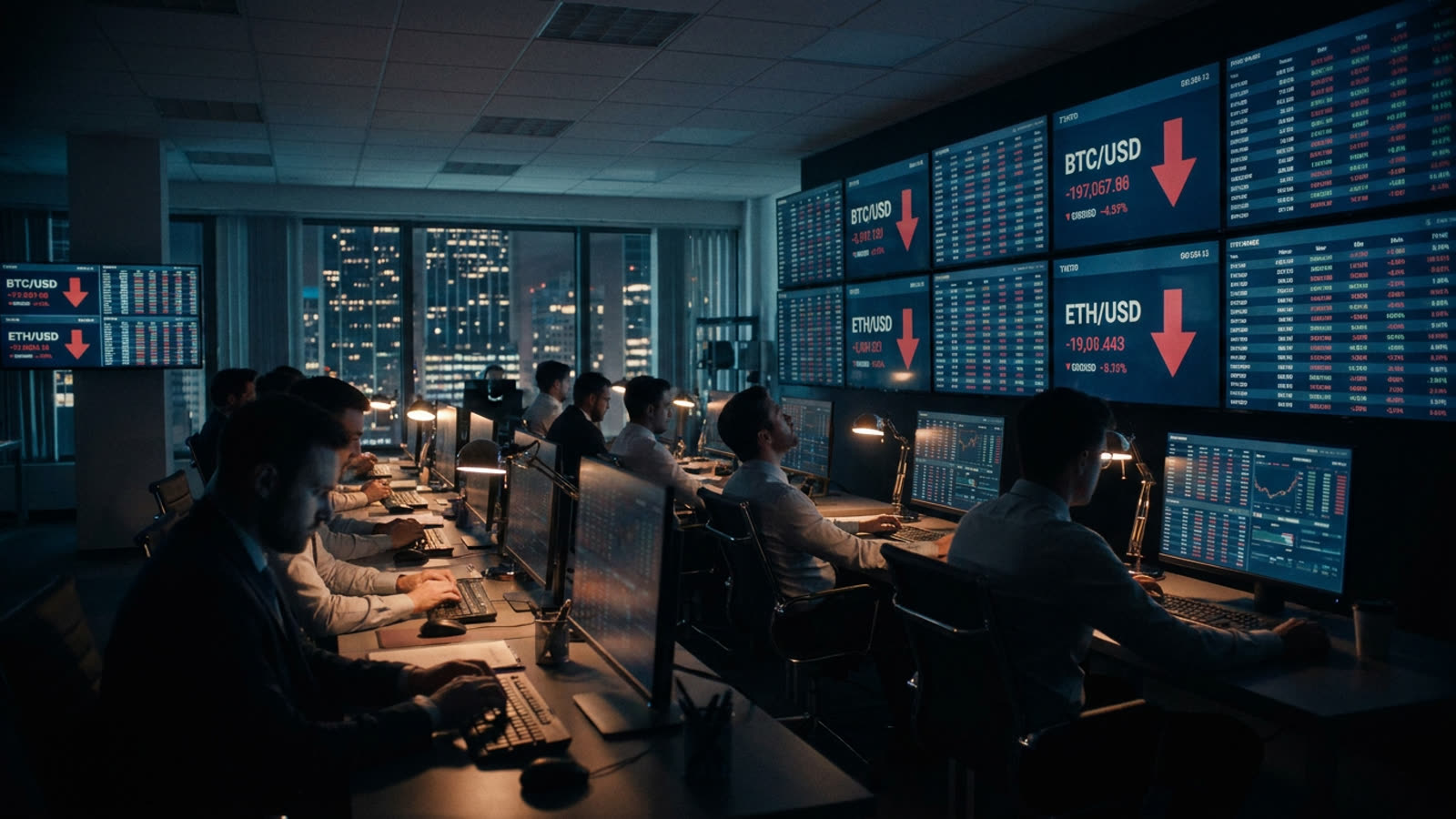
Sanctions do not enforce themselves. Their power flows through the global financial plumbing, particularly the dollar-clearing system that routes most international transactions through New York. When the U.S. Treasury's Office of Foreign Assets Control designates an entity, every bank touching dollar transactions must ensure it never processes that entity's payments. The penalty for failure is severe: European banks have paid billions in fines for sanctions violations, creating a compliance industry that now employs tens of thousands of specialists worldwide. This extraterritorial reach—the ability to punish foreign companies for doing business Washington dislikes—is what makes American sanctions uniquely potent and uniquely resented.
Why regimes survive
The academic literature on sanctions effectiveness is sobering. Studies consistently find that sanctions achieve their stated policy goals in roughly a third of cases, and that success correlates strongly with modest objectives. Sanctions work reasonably well at signaling displeasure, moderately well at constraining military procurement, and poorly at toppling governments or reversing territorial conquests. Target regimes adapt: they develop smuggling networks, cultivate alternative trading partners, and exploit sanctions as domestic propaganda. The humanitarian costs, meanwhile, tend to fall on ordinary citizens while elites access workarounds.
The escalation trap
Sanctions occupy an awkward middle ground in the coercion spectrum. Too weak, and they signal impotence; too strong, and they risk pushing adversaries toward desperation or alternative systems. Each round of ineffective sanctions creates pressure for escalation, while the threat of future sanctions diminishes as targets learn to insulate themselves. The proliferation of secondary sanctions—punishing third parties who deal with primary targets—has accelerated dedollarization efforts and created strange alliances of convenience among sanctioned states.
Our take
Sanctions persist not because they work brilliantly but because the alternatives—military action or acquiescence—are worse. They allow democracies to demonstrate resolve without body bags, to punish without bombing, to do something while hoping time and pressure accomplish what policy cannot. This is not nothing, but it is considerably less than the confident rhetoric suggests. The honest case for sanctions is that they impose costs and buy time; the dishonest case is that they constitute a strategy. Policymakers who confuse the two tend to be surprised when the target regime remains standing, defiant, and more entrenched than before.