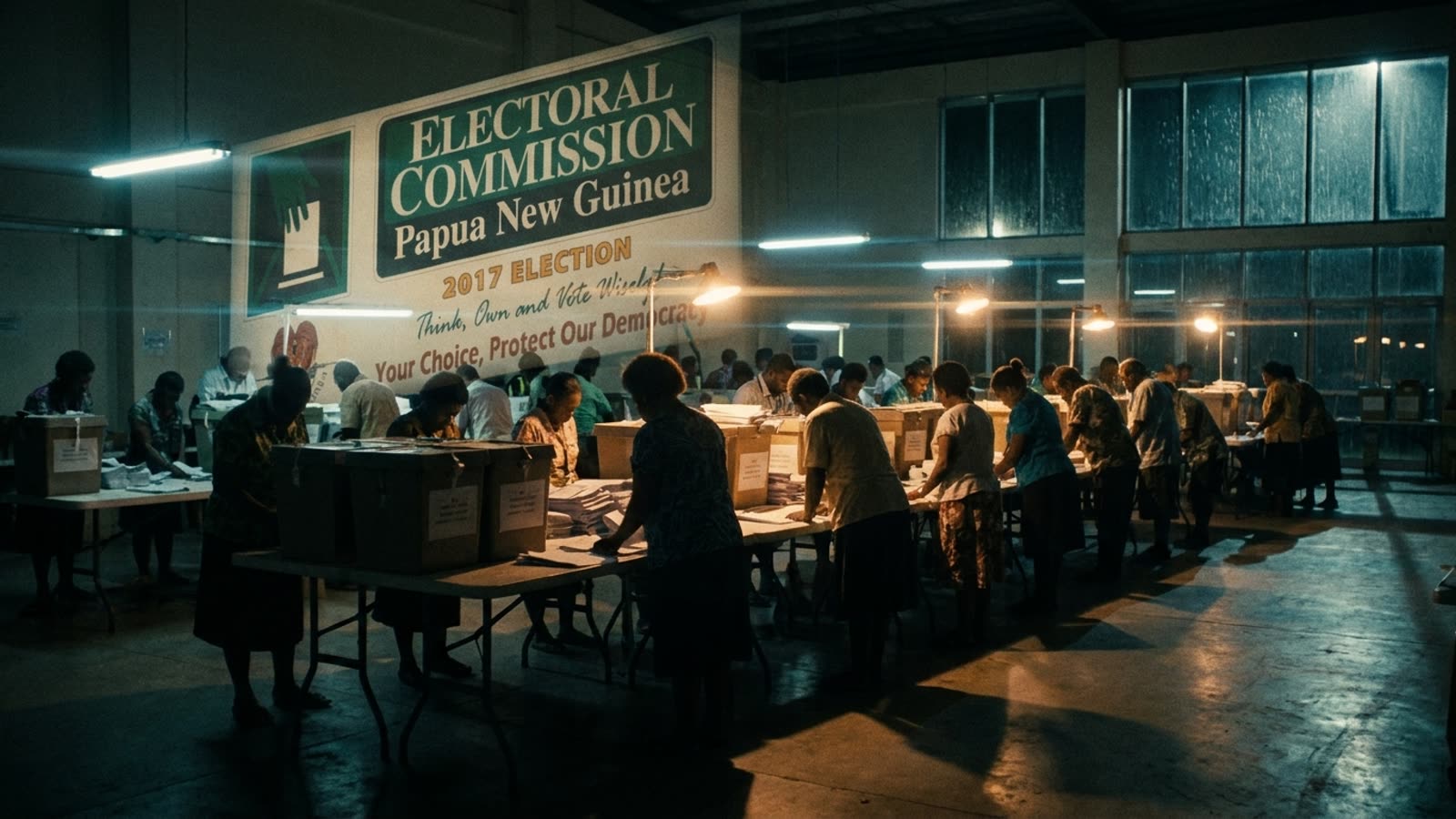
The drama of elections unfolds on stages and podiums, but the machinery that determines winners operates in fluorescent-lit offices where bureaucrats interpret ambiguous statutes and make judgment calls that rarely make headlines until something goes wrong. Electoral commissions—whether called that, or boards of elections, or returning officers—are the administrative backbone of democracy, and their discretionary power is vastly underestimated by the public they serve.
In most democracies, these bodies handle voter registration, ballot design, polling place allocation, vote counting, and the certification of results. Each function involves interpretive choices. Which signatures match? Which ballots arrived on time? Which voters were purged correctly? These micro-decisions, made by appointed officials operating under varying degrees of independence, aggregate into outcomes that courts later struggle to unwind.
The myth of mechanical neutrality
The comforting fiction is that elections run themselves—that clear rules produce clear results. In practice, electoral administration is an exercise in managed ambiguity. Statutes drafted decades ago meet circumstances their authors never imagined: pandemic voting, cybersecurity threats, last-minute court orders. Commissions must interpret, adapt, and decide, often under intense time pressure and partisan scrutiny.
The composition of these bodies varies enormously. Some jurisdictions use bipartisan boards where major parties share control, creating incentives for deadlock or horse-trading. Others vest authority in a single chief election officer, whose appointment process becomes intensely political. Still others rely on career civil servants insulated from direct political pressure but potentially captured by institutional inertia. Each model carries distinct failure modes.
Where discretion becomes power
Consider ballot curing—the process by which voters fix defects in their mail ballots. Whether a commission aggressively contacts voters to cure signatures or passively waits for them to notice rejections can shift thousands of votes. The decision is administrative, not legislative, and often made without public debate. Similarly, decisions about provisional ballot adjudication, the placement of drop boxes, and the allocation of voting machines to precincts all carry distributional consequences that fall hardest on voters with the least flexibility.
The certification process—the formal declaration of results—has emerged as a pressure point. Commissions that once rubber-stamped canvasses now face demands to investigate fraud allegations before certifying. The legal authority to delay or refuse certification varies by jurisdiction, but the political incentive to weaponize procedural discretion has grown. What was once a ministerial act has become a potential veto point.
Our take
Electoral commissions deserve the scrutiny we lavish on candidates and campaigns. Their independence, their appointment mechanisms, and their procedural rulebooks shape outcomes as surely as voter preferences do. Reformers obsess over voter ID and gerrymandering while ignoring the administrative layer where those rules are actually applied. The clerks who count your vote are not neutral automatons; they are human beings making consequential choices under pressure. Understanding their power is the first step toward holding it accountable.