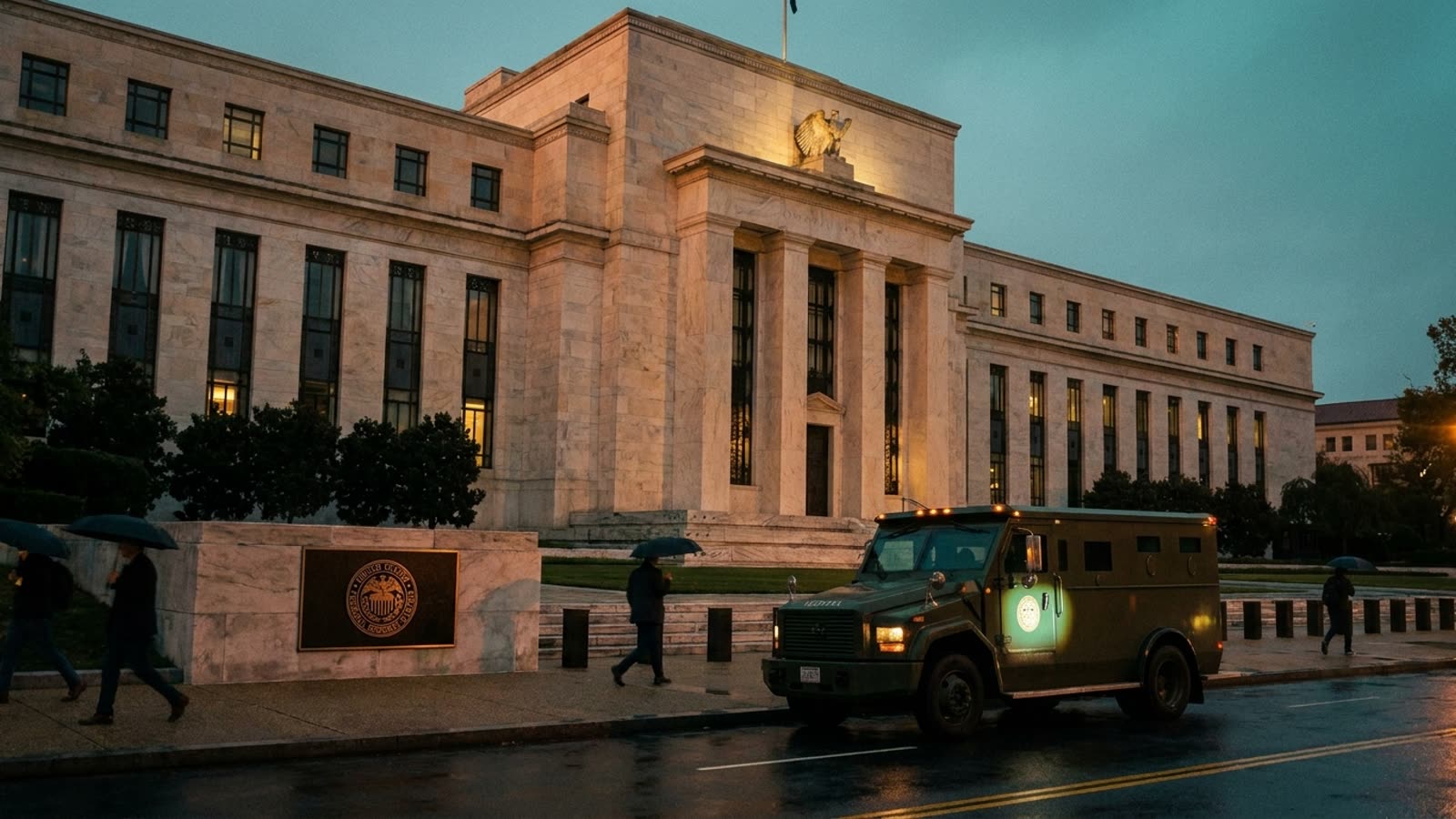
When a central banker adjusts the benchmark interest rate by a quarter of a percentage point, the announcement rarely makes for gripping television. Yet that small movement sets off a chain reaction that eventually lands in your mailbox, your mortgage statement, and your retirement projections. Understanding the mechanics does not require an economics degree—just a willingness to follow the money as it flows from a marble building in Washington to your kitchen table.
The Federal Reserve does not lend directly to households. It sets the federal funds rate, the interest banks charge each other for overnight loans. This rate acts as a floor: when it rises, borrowing becomes more expensive throughout the system, and when it falls, credit loosens. The transmission is neither instant nor uniform, which is why the same rate hike can feel like a gentle breeze to one family and a gale to another.
The mortgage question
Fixed-rate mortgages are priced off long-term Treasury yields, not the federal funds rate, so homeowners with existing fixed loans feel little immediate effect. The pain lands on buyers shopping for new loans and on anyone holding an adjustable-rate mortgage whose reset date arrives after rates climb. A two-percentage-point increase on a thirty-year loan for a median-priced home can add several hundred dollars to a monthly payment—enough to price marginal buyers out of the market entirely and trap current owners in homes they might otherwise sell.
Credit cards and car loans
Credit-card interest rates track the prime rate, which moves almost in lockstep with the Fed's benchmark. A rate hike announced in the afternoon can appear on your statement within a billing cycle or two. For households carrying revolving balances, this is the sharpest edge of monetary policy. Auto loans, typically fixed at origination, behave more like mortgages: existing borrowers are insulated, but new buyers face higher financing costs that either stretch budgets or push them toward cheaper vehicles.
The saver's paradox
Higher rates are supposed to reward savers, and eventually they do—sort of. Online high-yield savings accounts adjust relatively quickly, but the big retail banks often lag, pocketing the spread. Certificates of deposit become more attractive, yet locking in a rate carries its own risk if rates continue rising. Meanwhile, bond portfolios suffer mark-to-market losses even as their future income improves. The saver who checks a brokerage statement may feel poorer precisely when policy is meant to benefit prudent behavior.
Our take
Monetary policy is a blunt instrument applied to a textured economy. The household that carries no debt and holds cash in a nimble online account experiences rate hikes as a modest windfall. The household juggling credit-card balances and an adjustable mortgage experiences them as a slow squeeze. Policymakers speak of "the consumer" as a statistical aggregate, but consumers live in wildly different financial architectures. The most useful response to any rate announcement is not to panic or celebrate but to audit your own exposure—fixed versus variable debt, liquid savings versus illiquid assets—and adjust accordingly. Central banks move numbers; households move lives.