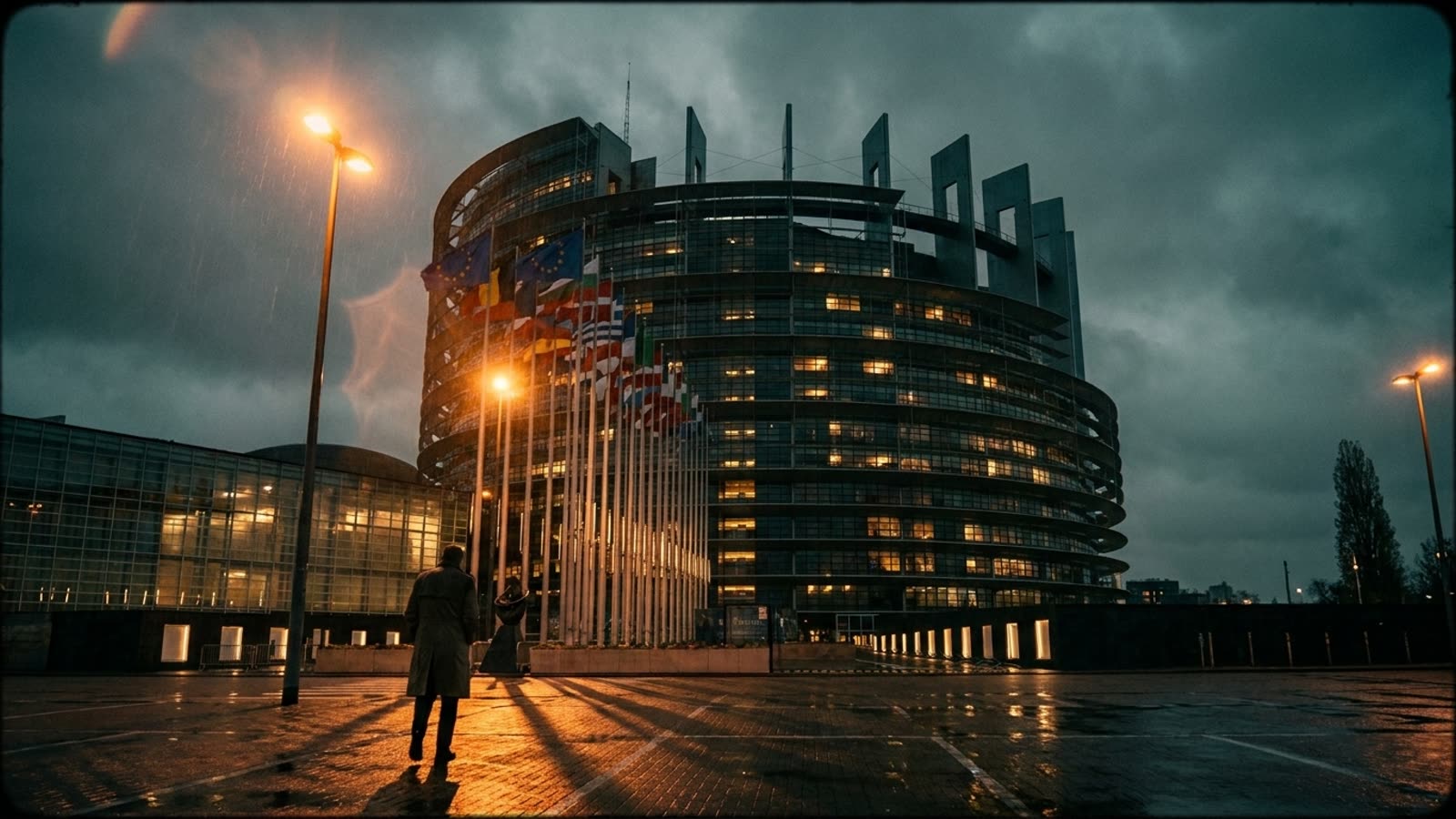
Most coverage of the European Parliament treats it as either a rubber stamp for Brussels technocrats or a circus of fringe parties shouting into the void. Both characterizations miss what makes this institution genuinely strange and, in its own way, formidable: it is a legislature without a government, a parliament where the concept of "opposition" barely exists, and a democratic body that has quietly accumulated more power than most Europeans realize.
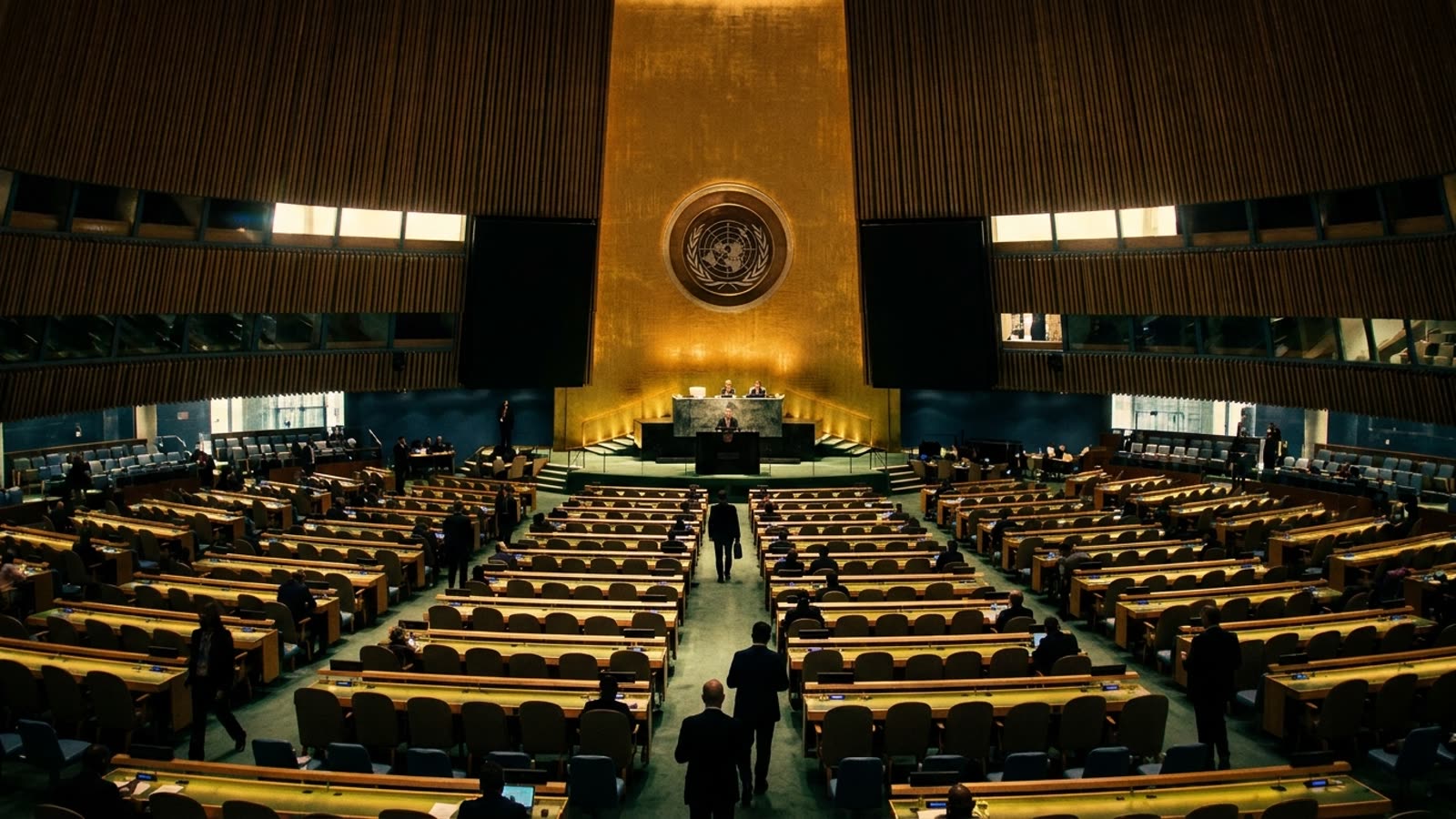
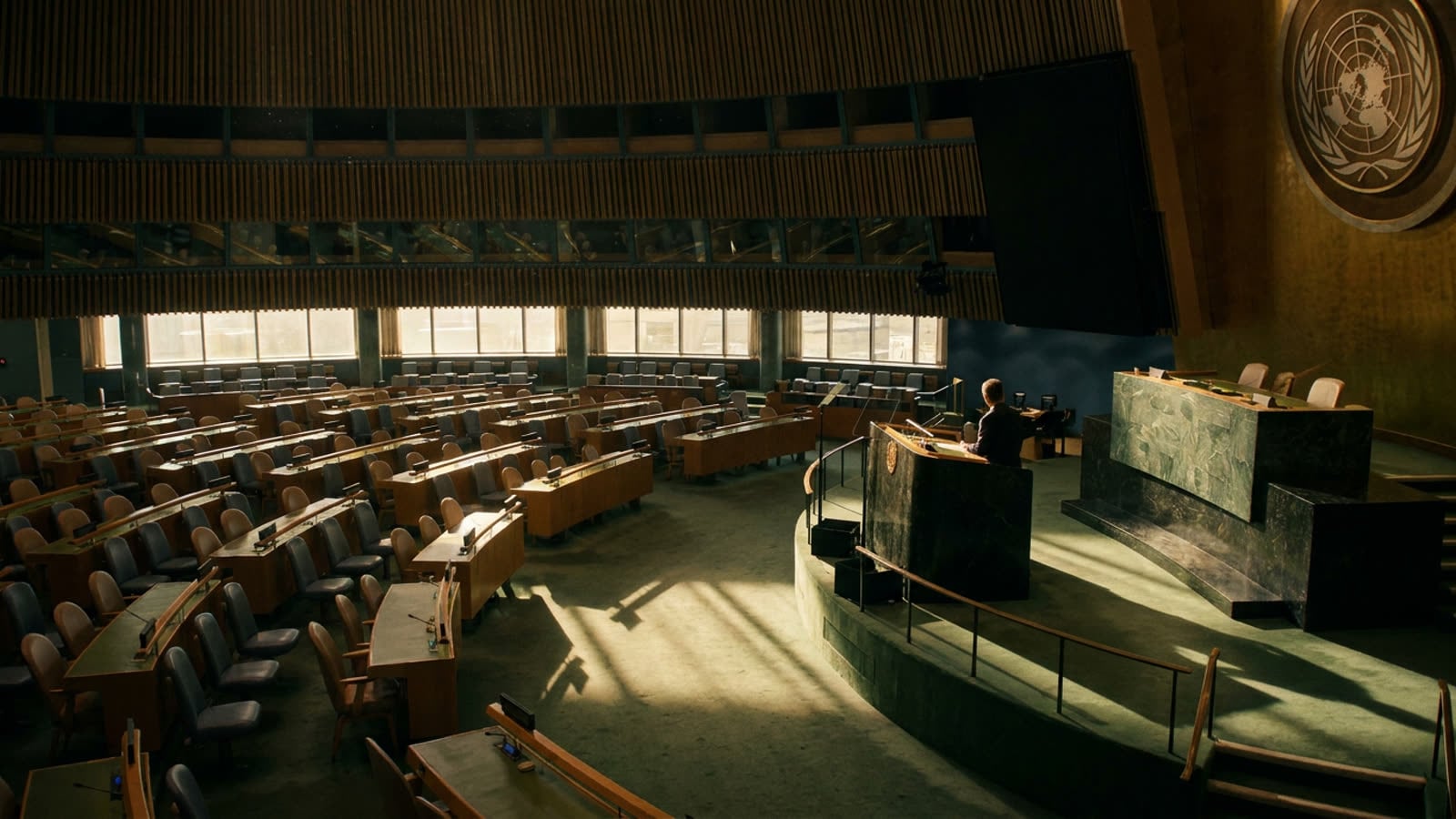
The Parliament sits in Strasbourg for plenary sessions—a geographic compromise that costs tens of millions annually and requires monthly migrations of staff, documents, and MEPs across the French border. It conducts committee work in Brussels. Its secretariat lives in Luxembourg. This architectural absurdity is written into EU treaties and would require unanimous consent from all member states to change. France will never agree. The Parliament, in other words, is condemned to commute.
The coalition that never breaks
In national parliaments, governing coalitions face opposition benches. Votes are largely predictable along party lines. The European Parliament operates differently. The two largest groups—the center-right European People's Party and the center-left Socialists & Democrats—have formed an informal grand coalition on most major legislation for decades. They don't share a program or a leader. They simply recognize that neither can pass anything alone, and that the Parliament's influence depends on presenting united fronts to the Council of Ministers and the Commission.
This makes European politics simultaneously more consensual and more opaque than its national equivalents. Major legislation passes with broad majorities. Horse-trading happens in committee rooms and corridor negotiations rather than on the floor. The real drama is not whether a bill passes, but what amendments survive the journey through rapporteurs, shadow rapporteurs, and trilogue negotiations with the Council.
The rapporteur system
Every piece of legislation gets assigned a rapporteur—an MEP who shepherds the file, drafts the Parliament's position, and negotiates with other institutions. This role carries enormous influence. A skilled rapporteur on a technical directive can shape European law for a generation. The assignments are distributed among political groups roughly proportional to their size, then allocated internally through processes that vary from transparent ballots to backroom deals.
Shadow rapporteurs from other groups track each file, but the lead rapporteur controls the text. In trilogue—the closed-door negotiations between Parliament, Council, and Commission—the rapporteur speaks for the entire chamber. Individual MEPs rarely get to amend final texts. The system rewards institutional players who understand procedure over firebrands who give good speeches.
Power without portfolio
The Parliament cannot propose legislation. It cannot choose the Commission President unilaterally. It cannot force a Commissioner to resign individually. Yet it has veto power over the EU budget, over trade agreements, over the appointment of the entire Commission, and over an expanding universe of regulations through the ordinary legislative procedure. It has used these powers sparingly but consequentially—rejecting the SWIFT data-sharing agreement with the United States, blocking the Anti-Counterfeiting Trade Agreement, forcing concessions on roaming charges and data protection.
The institution's influence grows with each treaty revision, and it has proven adept at stretching its formal powers through creative interpretation. When the Lisbon Treaty gave it the right to "elect" the Commission President, Parliament invented the Spitzenkandidat system, claiming the Council must nominate the lead candidate of the largest parliamentary group. The Council has resisted. The struggle continues.
Our take
The European Parliament is neither the democratic crown jewel its boosters claim nor the irrelevant talking shop its critics dismiss. It is something more interesting: a genuinely novel experiment in transnational democracy, operating under constraints no national legislature faces. Its opacity is a feature of consensus politics, not a bug. Its power is real but indirect, exercised through veto threats and amendment wars rather than confidence votes. Understanding it requires abandoning the mental models of Westminster and Washington entirely. Most commentary never bothers.