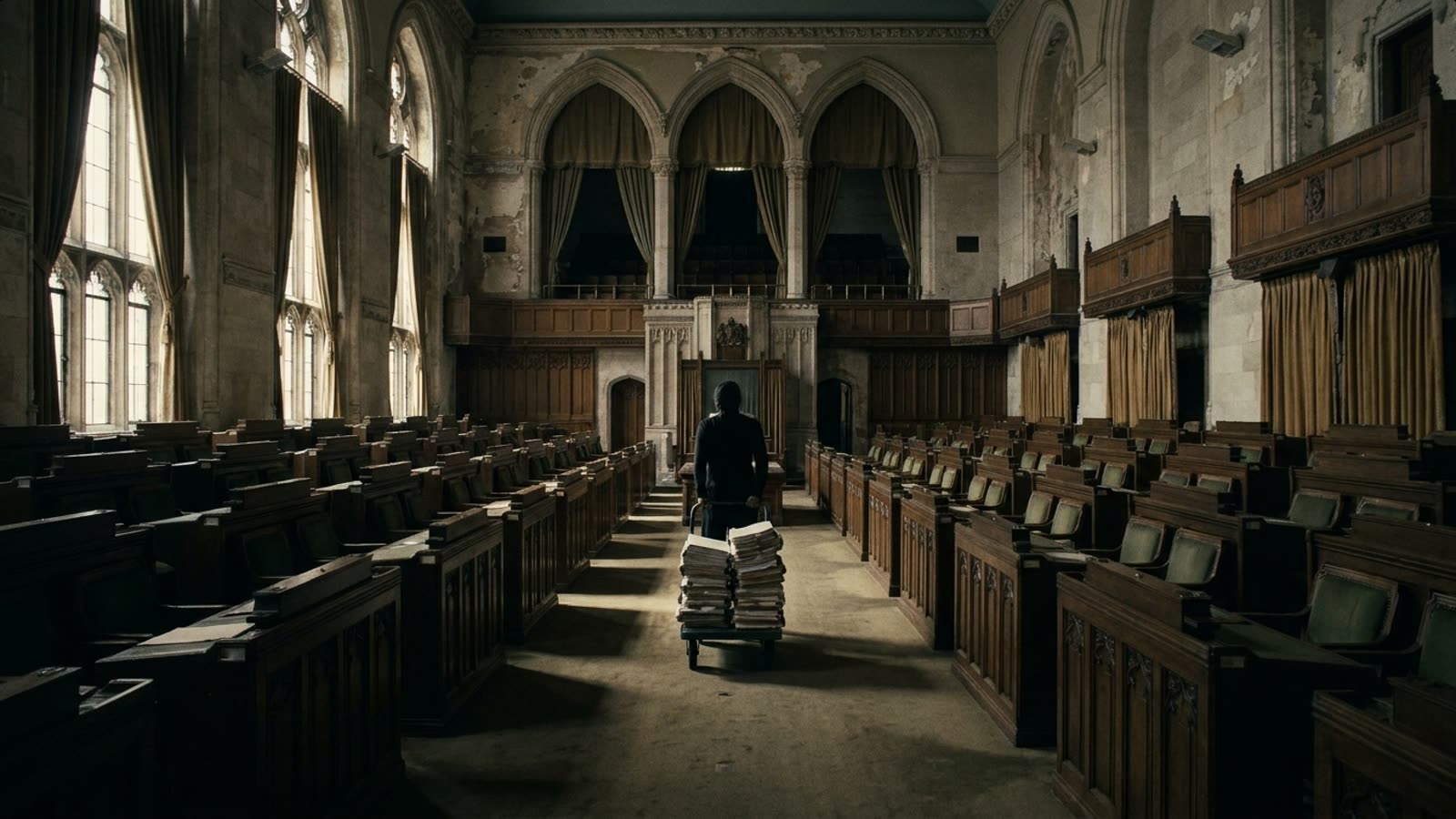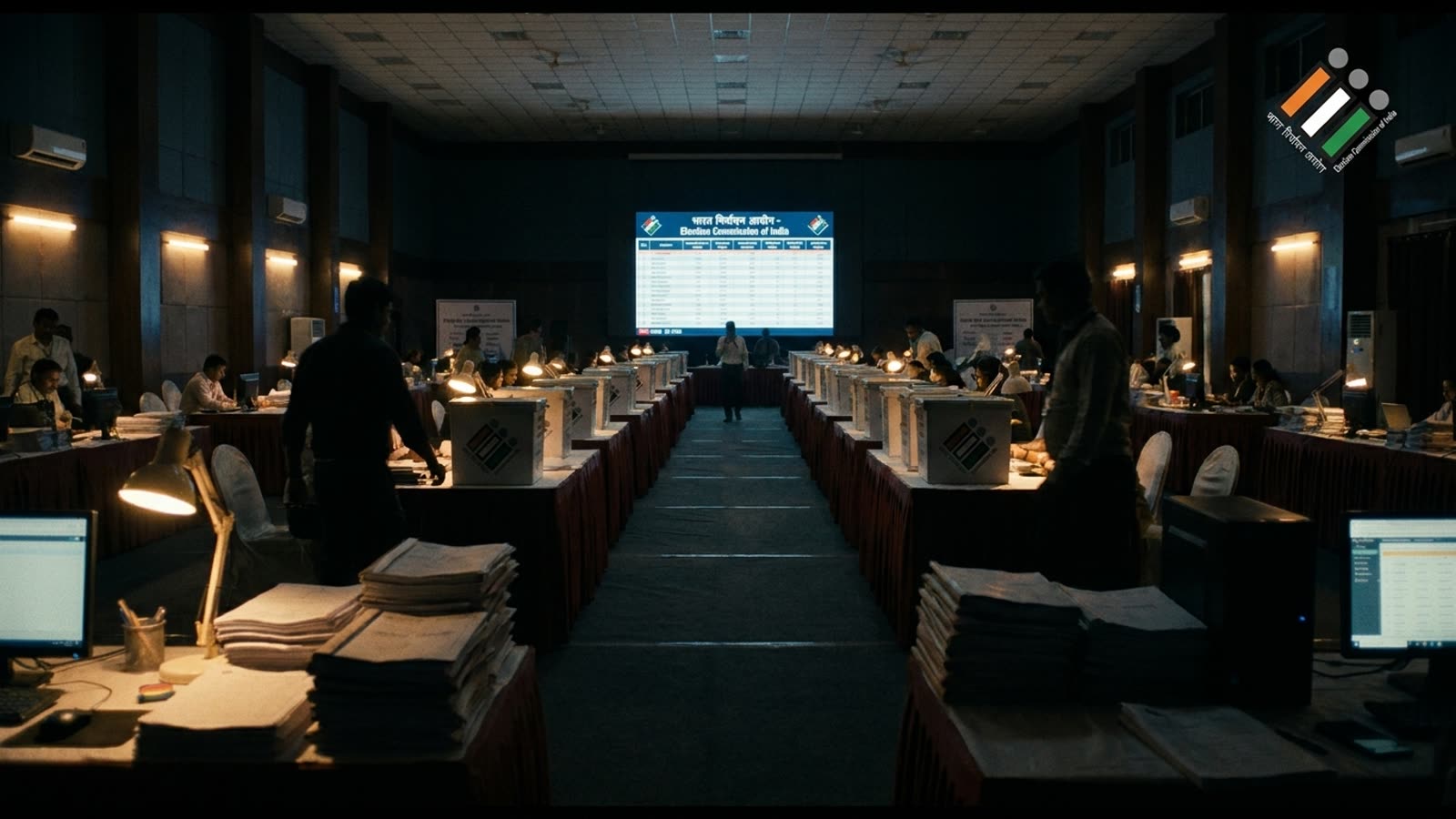
In the theater of democracy, politicians take the stage while electoral commissions work the lighting board. These administrative bodies — variously called election commissions, electoral councils, or returning offices depending on the country — possess extraordinary authority over the mechanics of voting. They draw boundaries, certify candidates, adjudicate disputes, and ultimately declare winners. The gap between their power and their public profile is one of democracy's stranger features.
Most constitutional democracies have settled on some version of the independent electoral commission model. The idea is straightforward: remove election administration from the control of incumbent politicians who have obvious incentives to tilt the playing field. In practice, the independence of these bodies varies enormously, and the details of their design determine whether they serve as neutral referees or captured instruments.
The architecture of neutrality
The gold standard for electoral commission design involves several interlocking features: fixed terms that do not align with election cycles, appointment processes that require supermajority consensus or bipartisan agreement, adequate funding insulated from political pressure, and clear statutory authority that courts will enforce. India's Election Commission, established under the 1950 constitution, has historically enjoyed substantial independence, with commissioners serving six-year terms and removal requiring the same parliamentary procedure used for Supreme Court justices.
Contrast this with arrangements where the ruling party appoints commissioners at will, controls their budgets, or can dismiss them without cause. In such systems, the commission becomes an extension of executive power rather than a check on it. The distinction matters most in close elections, when decisions about provisional ballots, registration challenges, and recount procedures can swing outcomes.
The boundary problem
Perhaps no commission function generates more controversy than redistricting, the periodic redrawing of electoral boundaries to reflect population changes. In systems where commissions control this process, the criteria they apply — compactness, community preservation, competitiveness — shape political competition for a decade. Where legislatures retain redistricting authority, commissions may still certify the resulting maps, creating pressure to approve gerrymanders or face accusations of partisan overreach.
Australia's approach offers an instructive model. The Australian Electoral Commission redraws federal boundaries using statutory criteria that prioritize population equality and community of interest, with public hearings and objection periods built into the timeline. The process is slow, transparent, and boring — which is precisely the point.
When commissions fail
The institutional design only works if commissioners themselves maintain independence. History offers cautionary examples: commissions that certified fraudulent results under pressure, delayed announcements to allow manipulation, or disqualified opposition candidates on technicalities. The 2020 Belarus presidential election, where the Central Election Commission announced results wildly at odds with independent observation, demonstrated how a captured commission can function as an instrument of authoritarian consolidation rather than democratic legitimacy.
Our take
Electoral commissions represent democracy's attempt to referee itself — an inherently awkward proposition. The best-designed commissions succeed not through heroic resistance to political pressure but through institutional arrangements that make such pressure difficult to apply. Voters would benefit from paying more attention to commissioner appointments, funding battles, and procedural rule changes. These bureaucratic details are less dramatic than campaign rallies, but they determine whether the rallies matter at all.