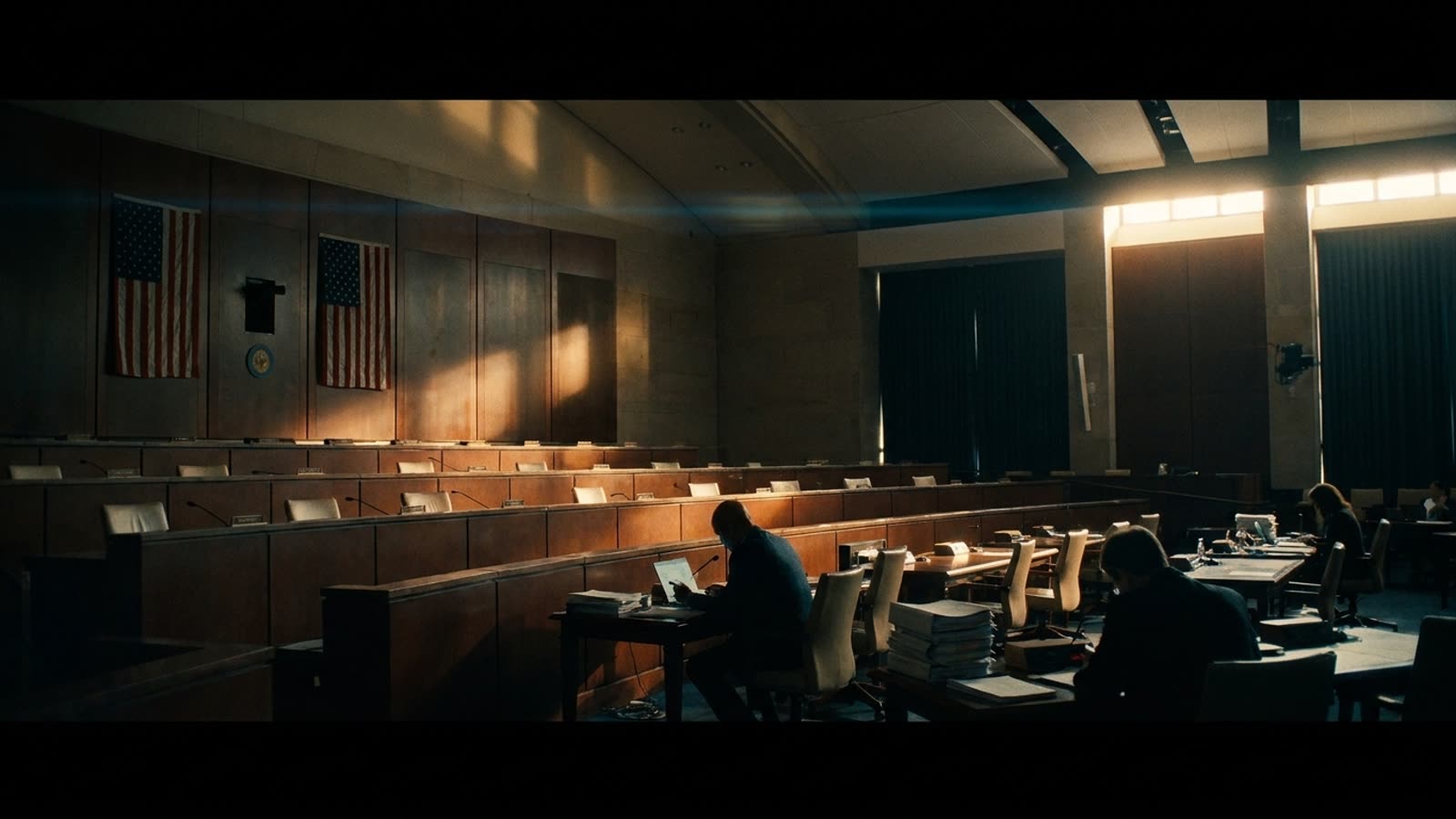
The central paradox of intelligence oversight is that it requires legislators to know secrets they cannot discuss, investigate agencies that can legally lie to them, and hold accountable organizations whose budgets they cannot fully examine. This is not a bug in the system but its defining feature, and understanding why explains much about the permanent tension between democracy and national security.
The House Permanent Select Committee on Intelligence and the Senate Select Committee on Intelligence were born from scandal. The Church Committee hearings of the mid-1970s exposed decades of CIA assassination plots, FBI domestic surveillance, and NSA mail-opening programs that had operated with virtually no congressional knowledge. The solution was to create dedicated committees with access to classified information and the authority to approve covert actions before they occurred.
Half a century later, the committees exist in a strange twilight. They receive briefings, they ask questions, they occasionally hold public hearings, and they sign off on intelligence budgets. But whether they actually control anything remains an open question.
The Structural Disadvantages
The intelligence community employs roughly 100,000 people across eighteen agencies with a combined budget exceeding what most countries spend on their entire governments. The committees overseeing this apparatus have staffs numbering in the dozens. The asymmetry is not accidental—it is constitutional. Executive agencies can compartmentalize information, classify documents at will, and invoke state secrets privileges that courts have historically been reluctant to challenge.
Committee members themselves face constraints their colleagues do not. They cannot discuss classified briefings with staff who lack clearances, cannot consult outside experts on sensitive matters, and cannot take notes from many meetings. A senator who learns of a potentially illegal surveillance program cannot simply call a press conference. The information is, in a legal sense, not theirs to share.
This creates a peculiar dynamic where oversight depends almost entirely on the executive branch's willingness to be overseen. When intelligence officials decide that certain programs are too sensitive for congressional briefing—as happened with enhanced interrogation techniques and warrantless wiretapping—the committees often learn about them years later, from journalists.
The Political Capture Problem
The committees were designed to be less partisan than other congressional bodies. Members were supposed to develop expertise over time and maintain relationships with intelligence professionals that transcended electoral cycles. In practice, the committees have become as polarized as any other part of Congress, with members increasingly selected for loyalty to party leadership rather than national security credentials.
This politicization cuts in multiple directions. Committee chairs have used their positions to protect administrations from scrutiny. Minority members have used classified briefings to score political points. The result is that intelligence officials have learned to navigate the committees as political actors rather than genuine overseers, providing information calibrated to what each faction wants to hear.
The most damaging consequence may be the erosion of the committees' credibility with the agencies themselves. Career intelligence officers who watch committee members leak selectively or grandstand during hearings become less inclined to share information that might be politically weaponized. The oversight relationship becomes adversarial in ways that serve neither accountability nor national security.
What Oversight Actually Accomplishes
This is not to say the committees are useless. Their existence creates friction that would not otherwise exist. The requirement to brief Congress on covert actions forces agencies to articulate justifications that might otherwise remain unexamined. The threat of future disclosure—even years later—shapes how programs are designed and documented.
The committees also serve as a release valve for intelligence professionals troubled by what they witness. Whistleblower protections for disclosures to the committees, while imperfect, provide a legal channel that did not exist before the 1970s reforms. Some abuses have been curtailed because someone told a staffer something they should not have needed to tell.
But the fundamental imbalance remains. Democratic oversight of intelligence requires trusting elected officials with secrets, and trusting intelligence agencies to share those secrets honestly. Neither trust has proven reliably warranted.
Our take
The intelligence committees represent democracy's best attempt at squaring an impossible circle: maintaining secret capabilities while preserving public accountability. That they fail more often than they succeed is less an indictment of the individuals involved than an acknowledgment that some tensions cannot be resolved, only managed. The question is not whether oversight works perfectly—it cannot—but whether the alternative of no oversight would be worse. The Church Committee's revelations suggest it would be, which is why these flawed institutions persist, doing imperfect work that remains preferable to the void.