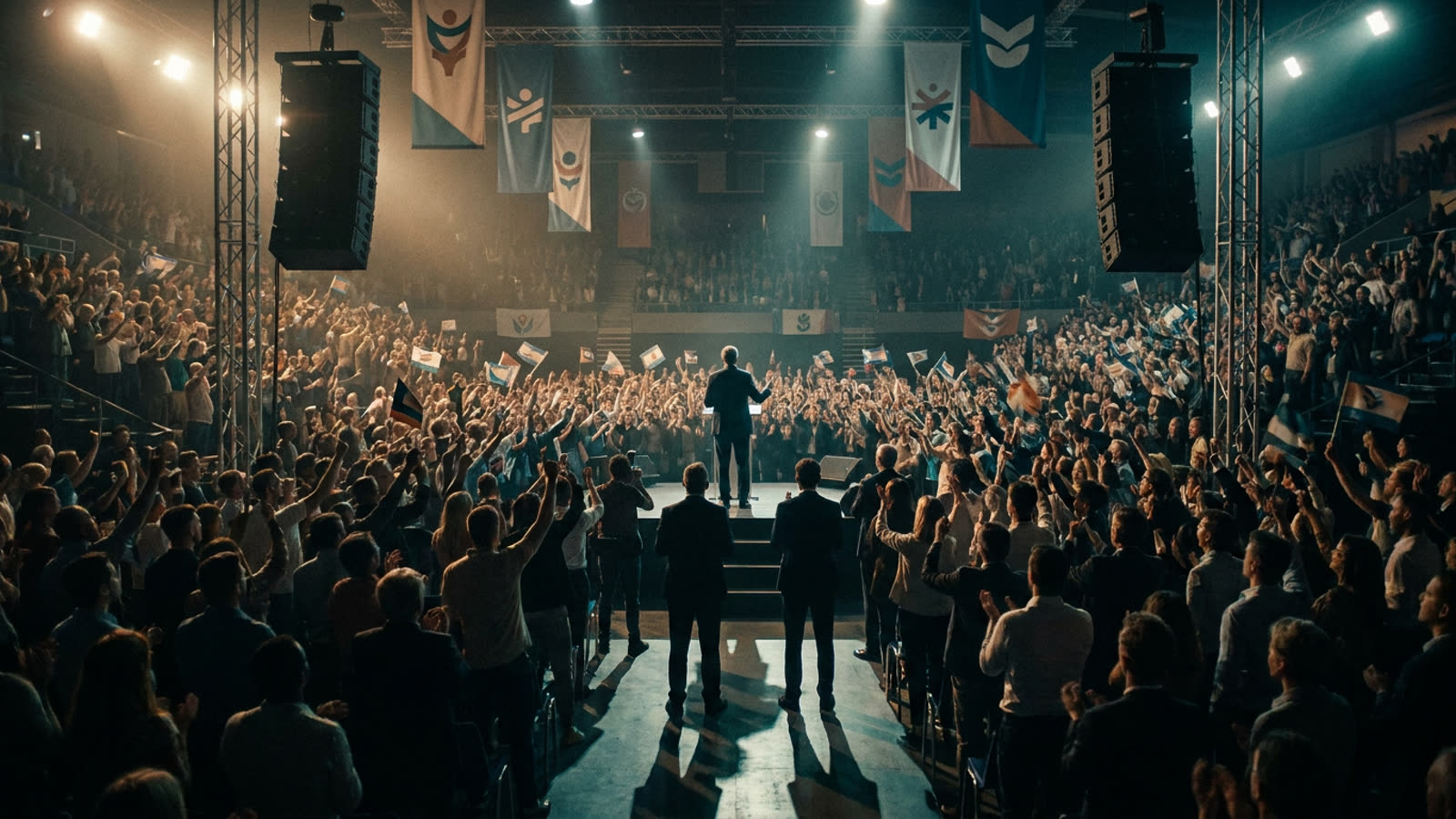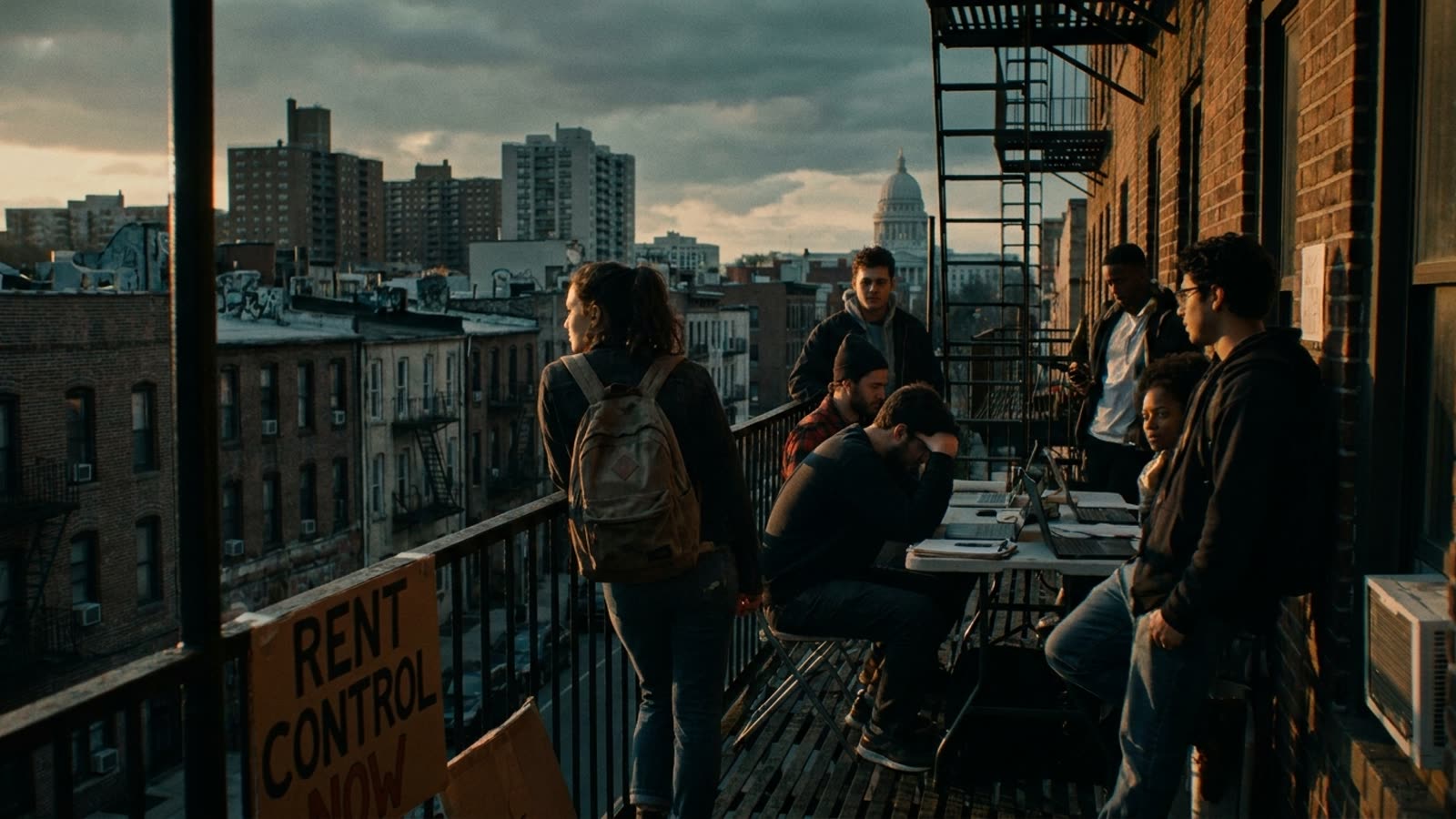
The most effective political ads this cycle don't feature soaring music or flag-draped backdrops. They feature lease agreements.
Across congressional and state legislative races, a cohort of millennial and Gen-Z candidates is doing something their predecessors rarely attempted: campaigning explicitly on their own inability to afford housing. They're showing pay stubs, naming their rent-to-income ratios, and treating what used to be a source of political embarrassment—financial precariousness—as a credential. The bet is simple: voters trust someone who shares their problem more than someone who merely studies it.
The affordability crisis as biography
The numbers justify the strategy. Median home prices have risen faster than median incomes for fifteen consecutive years. In major metros, a household earning the median income can afford roughly 15 percent of listed homes, down from 40 percent a decade ago. Rent burdens—the share of income consumed by housing—have crossed 30 percent for a majority of American renters, the traditional threshold for unaffordability.
Young candidates are translating these statistics into autobiography. A 29-year-old running for a state house seat in Colorado livestreamed her apartment search, showing viewers the $2,400 studios her legislative salary wouldn't cover. A 34-year-old congressional candidate in North Carolina released his credit report, including the student debt that disqualified him from a mortgage. These aren't gaffes; they're strategy.
Why incumbents struggle to respond
Established politicians have housing platforms, of course—tax credits, zoning reform, down-payment assistance. But they face a credibility gap. Many own homes purchased before prices decoupled from incomes. Their policy fluency can read as detachment.
The young challengers aren't necessarily offering superior policy. What they're offering is alignment of interest. A candidate who will personally benefit from lower housing costs has an incentive structure voters can trust. It's the same logic that made veteran candidates credible on defense or small-business owners credible on regulation. The difference is that housing dysfunction is now so widespread that the "affected class" constitutes a majority of voters under 45.
The limits of lived experience
There's a risk in the approach. Governing requires coalition-building with homeowners who benefit from rising prices, with construction unions skeptical of deregulation, with local officials protective of single-family zoning. A candidate whose brand is "I can't afford a house" may find that identity constrains their negotiating flexibility once in office.
Moreover, housing policy is genuinely complex. Supply constraints, interest rates, land-use law, and labor costs interact in ways that resist simple fixes. Authenticity isn't a substitute for competence.
Our take
The housing-as-biography candidates are a symptom, not a cure. They've correctly diagnosed that affordability has become the defining economic anxiety for a generation, and they've found a way to make that anxiety electorally legible. Whether they can actually build more housing once elected is another matter. But their emergence signals something important: the political system is finally registering that shelter has become a luxury good. When candidates campaign on their own rent checks, the Overton window has moved. The question is whether policy will follow.