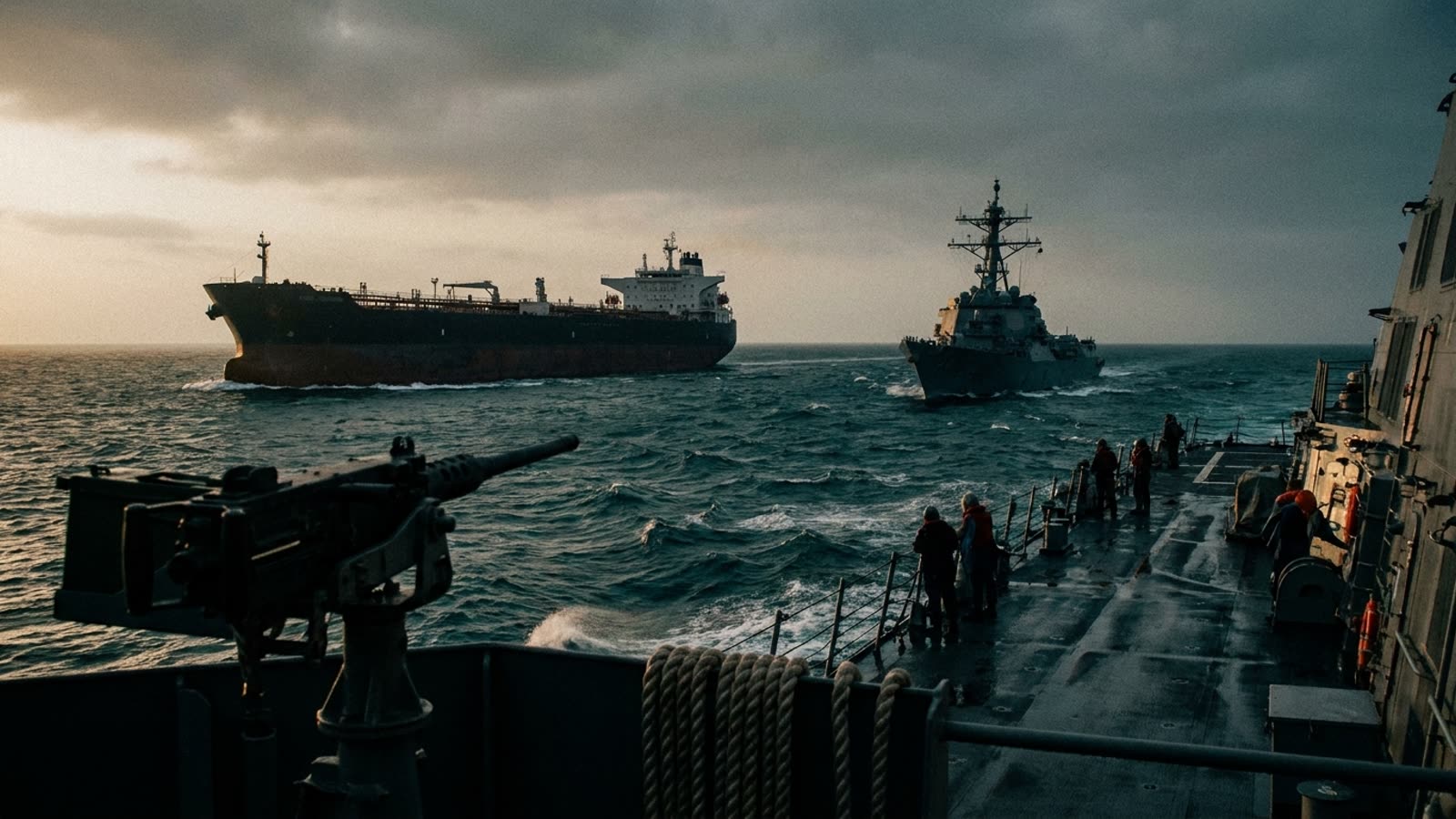
The United States Navy is doing exactly what it promised: escorting oil tankers through the Strait of Hormuz, the narrow passage connecting the Persian Gulf to global markets. American destroyers and cruisers are on station. The shipping lanes are technically clear. And yet the oil that should be flowing through this 21-mile-wide bottleneck — roughly a fifth of the world's daily petroleum consumption in normal times — is barely moving.
The problem isn't military. It's actuarial. Insurance underwriters in London and Zurich have quietly made their own assessment of the risk, and their premiums have made Hormuz transit economically unviable for all but the most desperate or well-connected shippers. The Pentagon can guarantee safe passage; it cannot guarantee that Lloyd's of London will write the policy.
The insurance chokepoint
War risk premiums for vessels transiting the Strait have climbed to levels not seen since the tanker wars of the 1980s. Shipowners report quotes that would add tens of millions of dollars to a single voyage — costs that make alternative routes around the Cape of Good Hope suddenly competitive despite adding weeks to delivery times. The result is a de facto blockade enforced not by Iranian missiles but by spreadsheets in European financial centers.
This represents a fundamental shift in how maritime chokepoints function in the modern economy. Traditional naval strategy assumed that keeping sea lanes open was primarily a military problem: clear the mines, deter the adversary, and commerce resumes. But the financialization of global shipping has created a second veto point. Even when the physical threat is manageable, the perceived threat — as priced by insurance markets — can achieve the same strategic effect as an actual blockade.
Washington's limited toolkit
The Biden administration has few good options. It can pressure insurers, but underwriters answer to their own risk models and shareholders, not to the State Department. It can offer government-backed war risk insurance, as it did during previous Gulf crises, but such programs take months to establish and face political resistance from those who see them as subsidies for oil companies. It can intensify diplomatic efforts with Tehran, but the underlying tensions that created this crisis show no signs of resolution.
Meanwhile, the economic damage compounds. Asian refineries that depend on Gulf crude are drawing down strategic reserves. European diesel prices have spiked. And the longer the situation persists, the more shippers and buyers will lock in alternative supply arrangements that may outlast the crisis itself — a permanent rewiring of global energy flows that would diminish American influence in the region for decades.
Our take
The Hormuz situation reveals an uncomfortable truth about American power in the 21st century: military supremacy is necessary but insufficient. The United States can project force anywhere on the planet, but it cannot compel a reinsurance syndicate in Bermuda to accept a risk it has decided to avoid. The global economy runs on confidence as much as on crude, and confidence is not something aircraft carriers can provide. Washington needs a new playbook for an era when the most consequential chokepoints may be financial rather than geographic.