The Trump Accounts were supposed to be simple: a thousand dollars deposited at birth for every American child, a nest egg to grow until adulthood. What the administration neglected to mention, until reporting this week revealed the gap, was that the original plan excluded roughly 400,000 children in foster care — an oversight corrected only after the First Lady's office intervened.
The episode offers a window into how policy actually gets made in this White House: not through the methodical interagency process of previous administrations, but through last-minute course corrections when someone notices a problem.
The mechanics of exclusion
The Trump Accounts program, announced with considerable fanfare earlier this year, ties deposits to birth certificates and Social Security numbers registered to parents. Foster children, by definition, exist in a bureaucratic limbo — their legal guardianship often temporary, their paperwork scattered across state systems that rarely communicate with federal databases. The original program architecture simply didn't account for them.
This wasn't malice; it was the predictable result of designing policy around an idealized nuclear family. Children who don't fit that template — foster kids, those born to undocumented parents, babies surrendered at hospitals — fall through gaps that nobody thought to measure.
The First Lady's portfolio expands
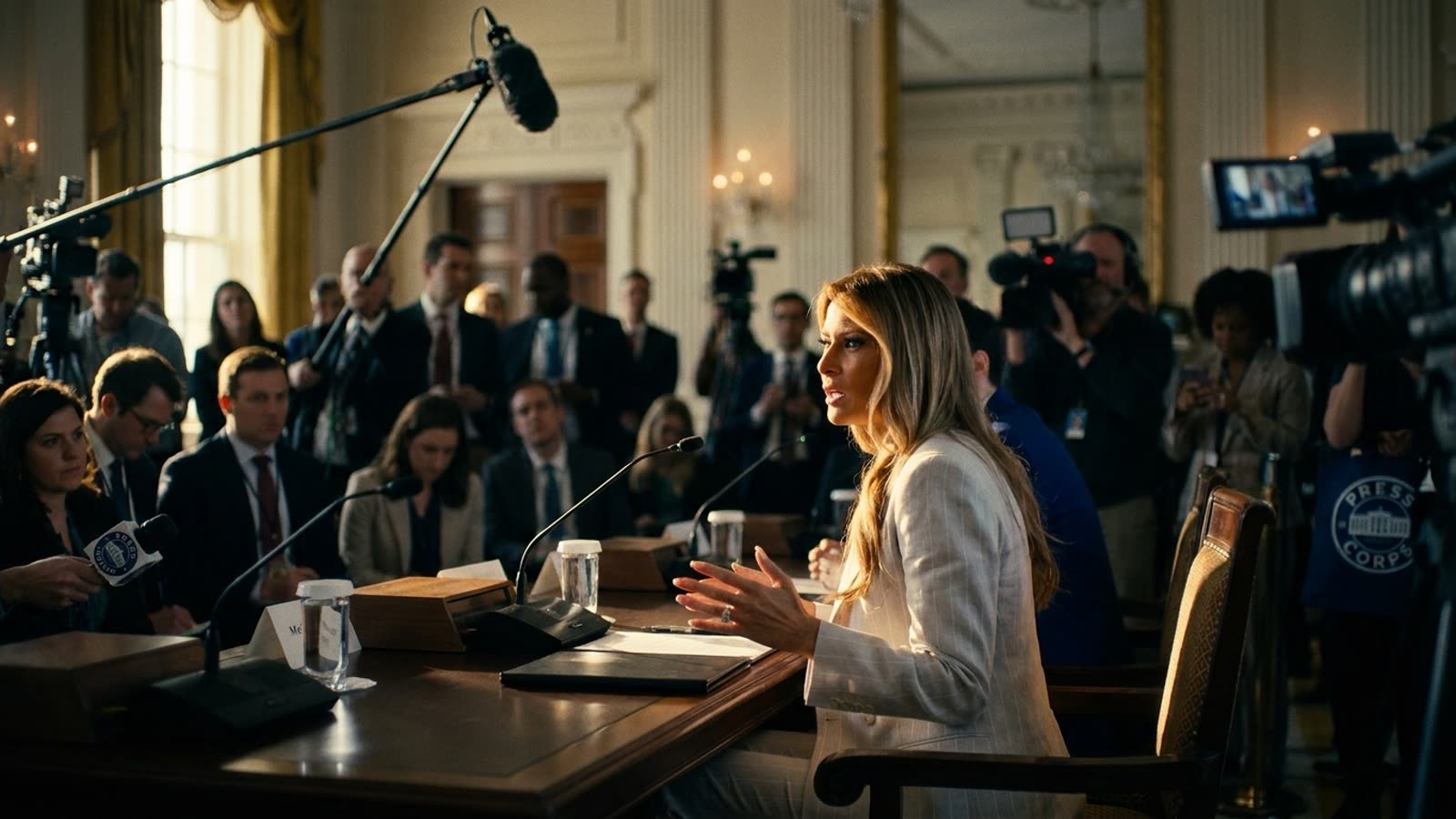
Melania Trump's intervention is notable less for its substance than for what it suggests about internal White House dynamics. The First Lady's office has traditionally focused on ceremonial duties and a single signature initiative (in her first term, the somewhat amorphous "Be Best" campaign). Rewriting the eligibility criteria for a major economic program is a different order of magnitude.
The White House has declined to detail how the foster-care provision was added or who drafted the revised language. What's clear is that the original rollout materials made no mention of foster children, and the current fact sheets now prominently feature their inclusion — a quiet revision that administration officials would prefer to frame as the plan all along.
Our take
The foster-care fix is good policy, and Melania Trump deserves credit for catching what Treasury apparently missed. But the episode also illustrates why governing by announcement creates problems that governing by process avoids. When you design programs in the comms shop rather than the policy shop, you get splashy launches followed by embarrassing patches. Four hundred thousand children nearly became an afterthought in a program literally named after the president. That someone caught the error is fortunate. That the error existed at all is the more revealing fact.