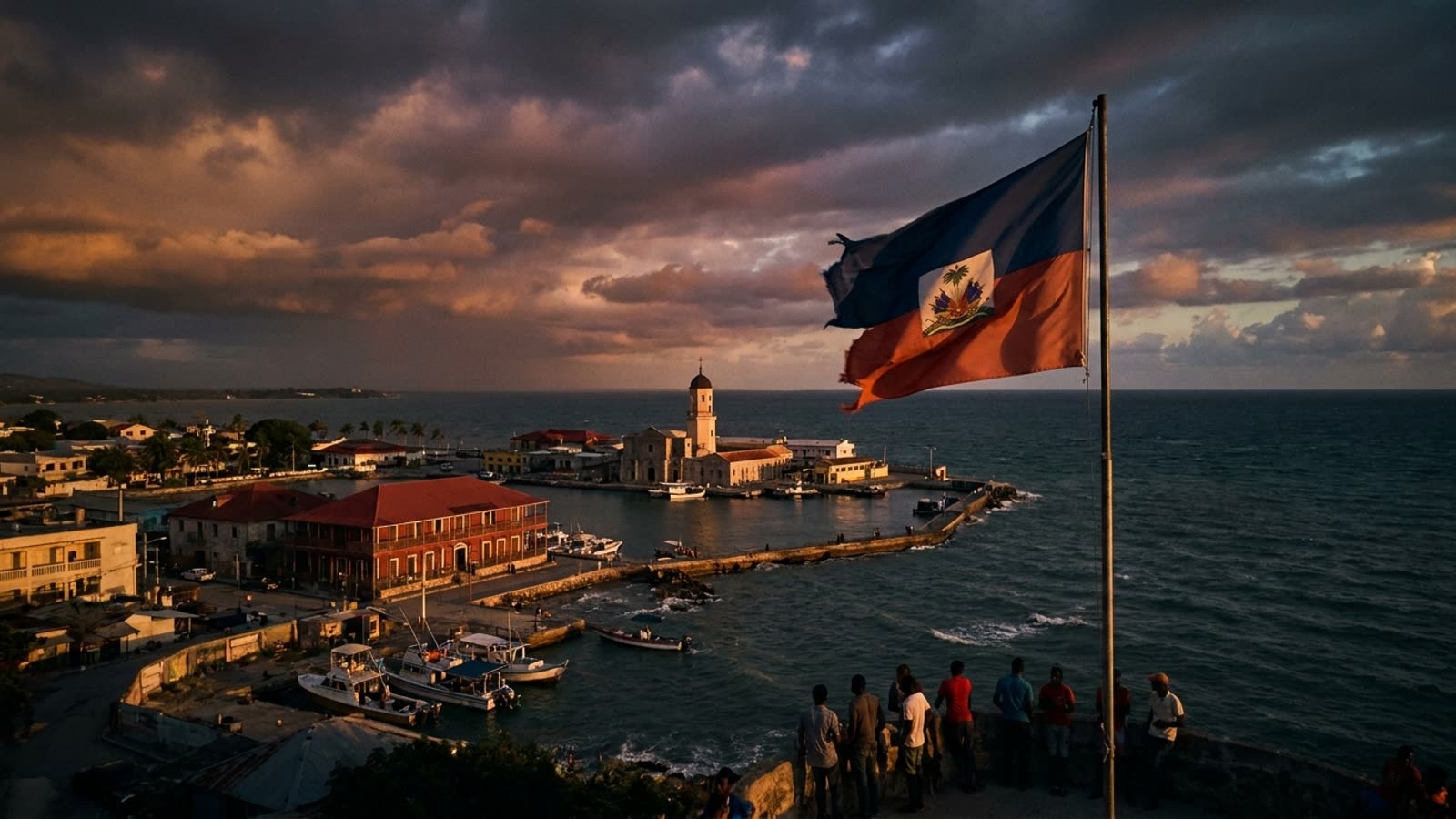
The Haitian men's national football team has spent the past three weeks doing something their country desperately needed: providing joy. Their improbable run through the World Cup group stage—secured by a last-minute equalizer against Mexico that sent Port-au-Prince into delirium—offered a rare moment of collective pride for a nation battered by gang violence, political collapse, and a humanitarian crisis that has displaced hundreds of thousands. And then, on the very day their knockout hopes ended, the United States Supreme Court delivered a different kind of verdict entirely.
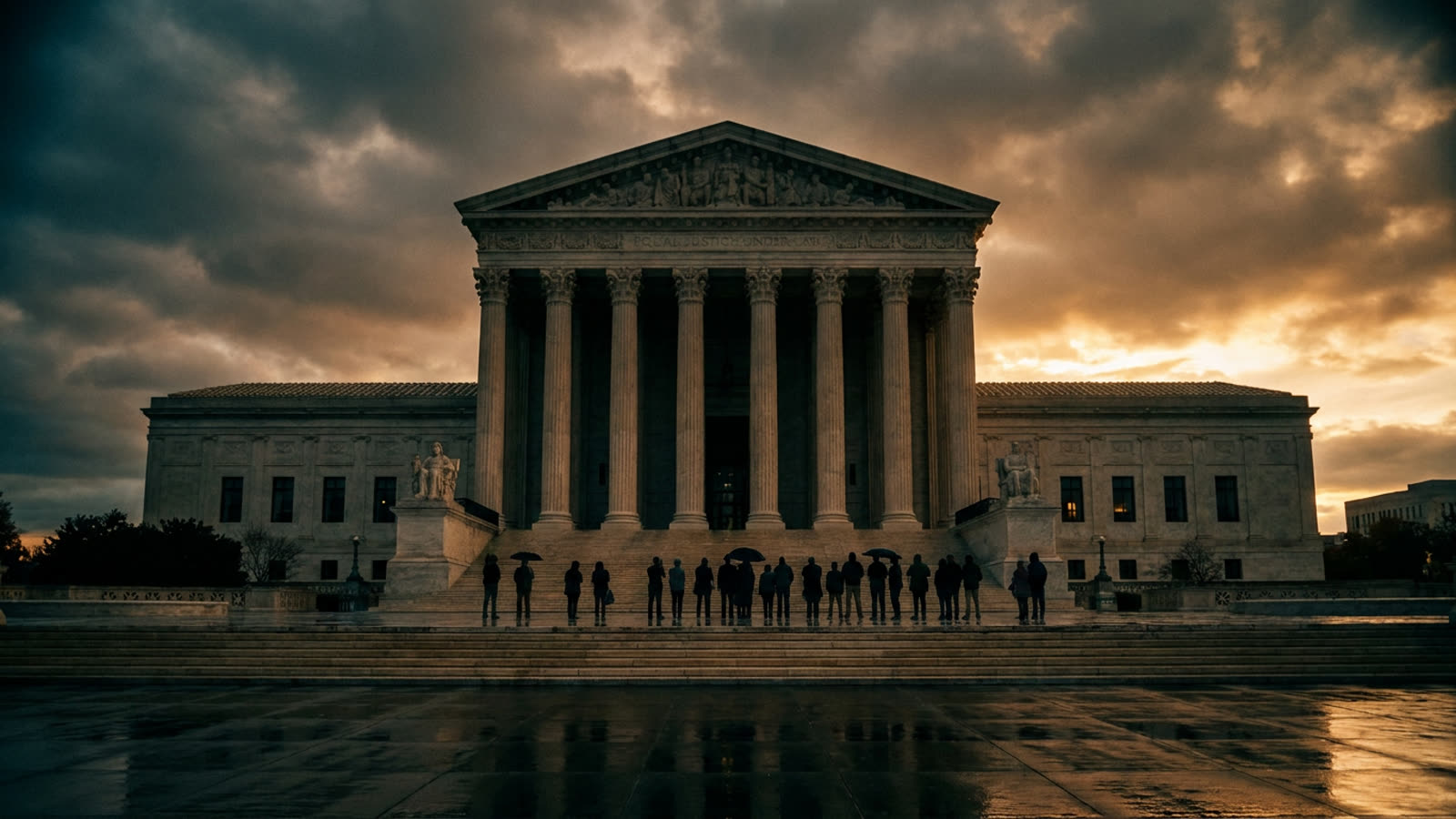
The Court's ruling, handed down Wednesday, permits the Trump administration to terminate Temporary Protected Status for Haitian nationals, potentially exposing more than 200,000 people to deportation. Many have lived in the United States for over a decade. Many watched their team's World Cup matches in living rooms from Miami to Brooklyn, wearing the bleu et rouge, briefly allowed to feel something other than precarity.
The legal mechanics of revocation
Temporary Protected Status was designed as humanitarian relief for nationals of countries experiencing armed conflict, natural disasters, or other extraordinary conditions. Haiti has qualified under various designations since the 2010 earthquake, with extensions granted through successive administrations as conditions on the ground failed to stabilize. The Trump administration's position—that conditions have sufficiently improved to warrant termination—was challenged by advocacy groups who argued the decision was arbitrary and motivated by animus rather than genuine country-conditions analysis.
The Court's majority, in a characteristically terse opinion, declined to second-guess the executive branch's determination. The practical effect is immediate: TPS holders now face an eighteen-month wind-down period, after which they become deportable unless Congress acts or conditions change dramatically enough to warrant redesignation.
The diaspora's dual consciousness
For Haitian-American communities, the juxtaposition of sporting triumph and legal vulnerability captures something essential about immigrant life in the United States. You can belong culturally—can fill a stadium, can trend on social media, can be celebrated as part of the American sports tapestry—while remaining administratively disposable. The fans who packed watch parties in Little Haiti were not merely cheering for a football team; they were asserting a presence that their government increasingly treats as provisional.
The World Cup run, whatever its ultimate outcome, generated the kind of soft-power visibility that Haiti rarely receives. Cable networks ran features on the team's journey. Casual viewers learned to pronounce players' names. For a few weeks, Haiti was associated with something other than crisis. Whether that goodwill translates into political pressure remains deeply uncertain.
Our take
There is no policy reason the Supreme Court needed to issue this ruling during the World Cup. The timing is bureaucratic coincidence, not deliberate cruelty—but the effect is indistinguishable. What the Haitian diaspora experienced this week is a concentrated version of what TPS holders live with constantly: the knowledge that their presence in American life is tolerated, not accepted, and that tolerance can be revoked with a single opinion. The team will go home to a country in chaos. Many of their fans may eventually be forced to follow.