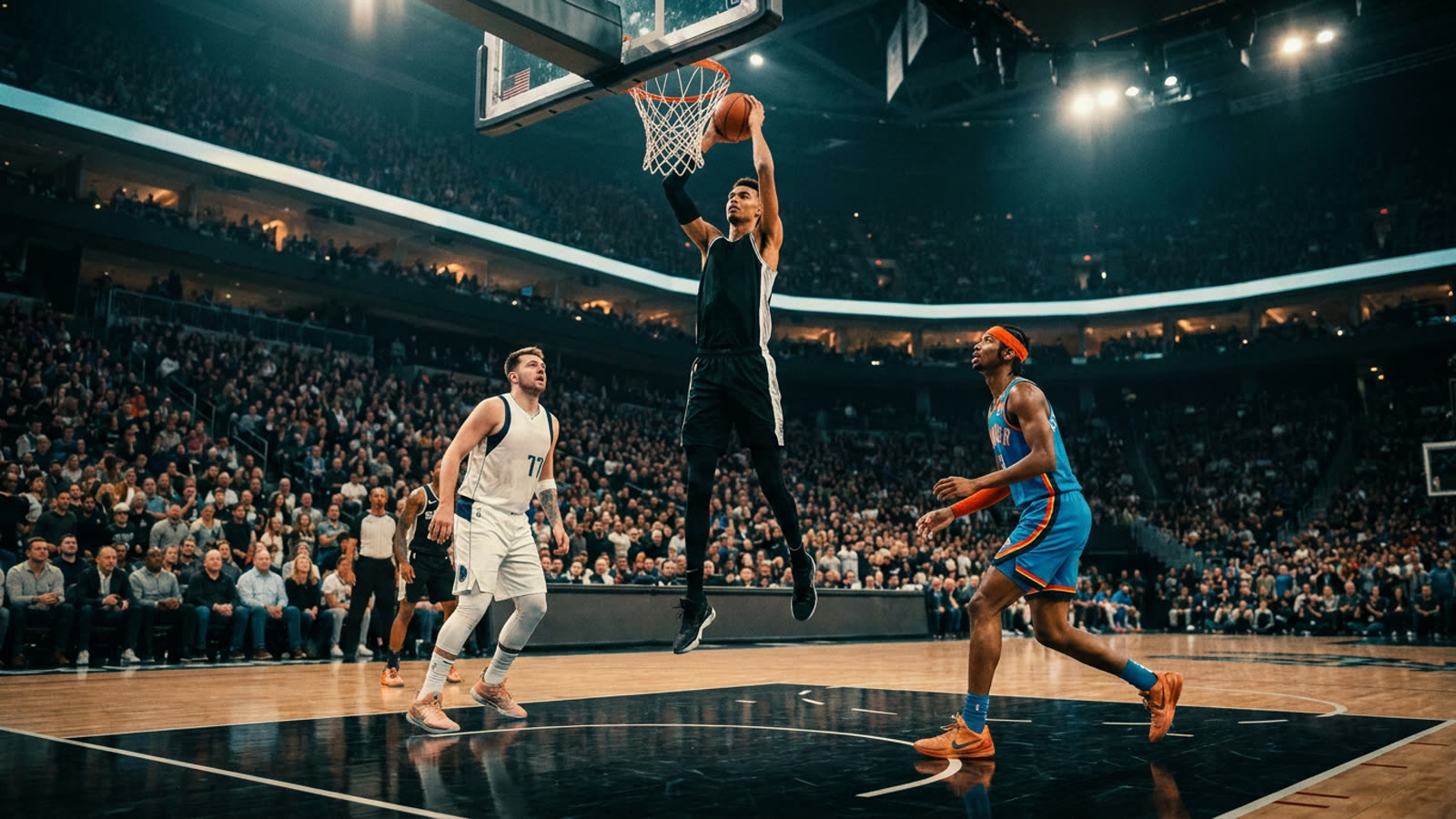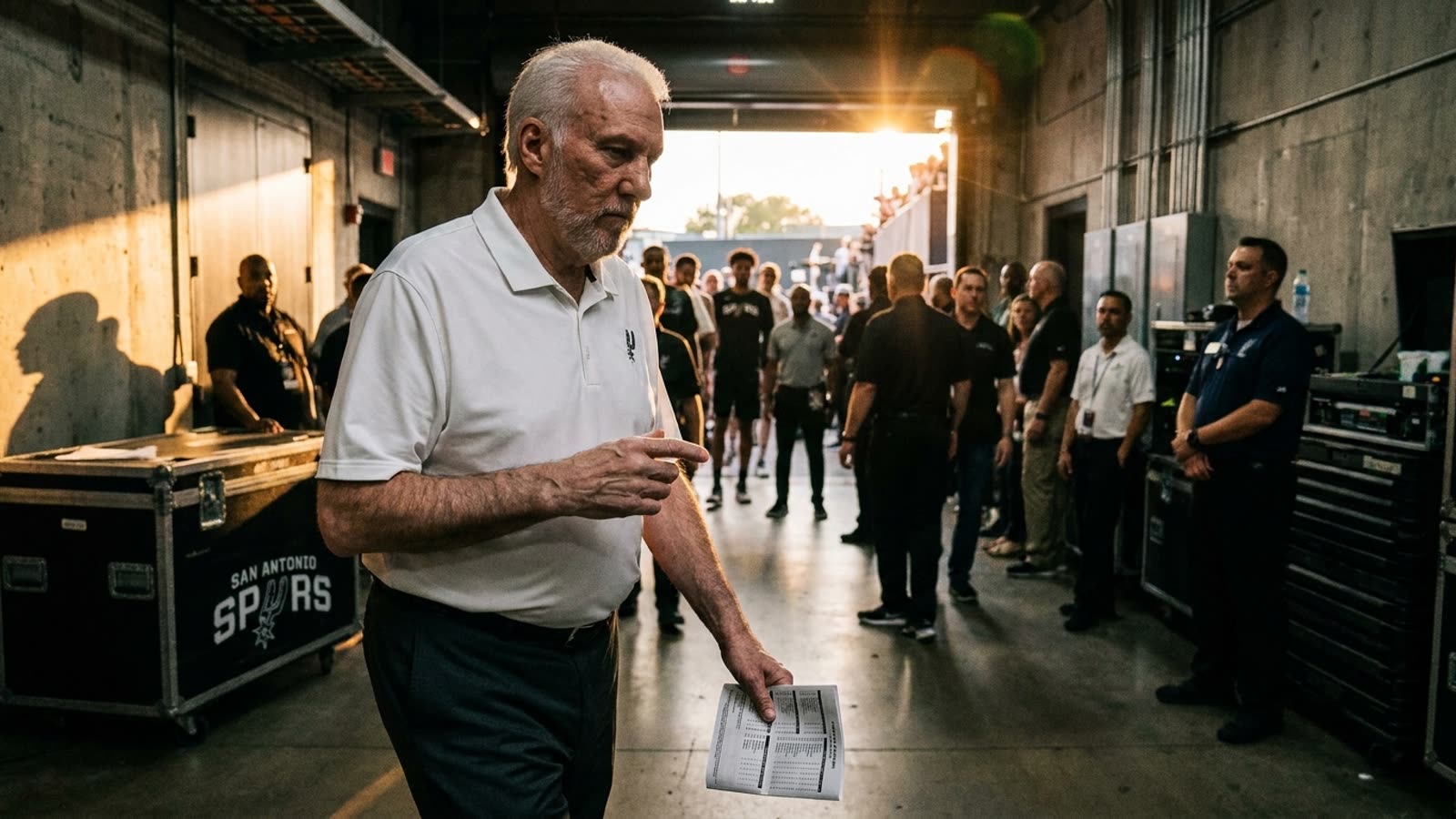
The obituaries were being drafted. After Oklahoma City's dominant Game 3 victory, the consensus had formed: the Spurs' magical season was ending, Victor Wembanyama's education would continue next fall, and Gregg Popovich's final act would conclude with a whimper rather than a roar. Then the 76-year-old coach, the oldest ever to patrol an NBA playoff sideline, did what he's done for three decades—he made adjustments that his opponents couldn't answer.
San Antonio's 118-89 demolition of the Thunder in Game 4 wasn't just a win; it was a clinic in competitive adaptation. The Spurs scored the game's first 14 points and never looked back, transforming what looked like a coronation for Oklahoma City into a genuine series.
The adjustment nobody saw coming
Popovich's tactical shift was deceptively simple but devastatingly effective. Rather than trying to match OKC's pace—a losing proposition given the Thunder's athletic advantages—he slowed the game to a crawl in the halfcourt, forcing Shai Gilgeous-Alexander into contested isolation situations rather than transition opportunities. The Thunder, who had averaged 122 points in their two wins, looked bewildered operating against a defense that suddenly had answers for everything they'd done successfully.
OKC's players acknowledged as much afterward. "They punched us in our face early," one Thunder player admitted, capturing the shell-shocked mood in their locker room. The team that had looked invincible 48 hours earlier couldn't buy a bucket when it mattered.
Pop's final masterpiece?
There's something poetic about watching Popovich work in what many assume will be his final season. The stroke he suffered in 2023 would have ended most careers; instead, he returned to guide a rebuilding franchise around a generational talent. Now he's demonstrating that basketball intelligence doesn't diminish with age—it compounds.
The Spurs weren't supposed to be here. They were a developmental team, a vessel for Wembanyama's growth, a placeholder until the real contention window opened in 2027 or 2028. Instead, they're two wins from the NBA Finals, with home-court advantage restored and a coach who has forgotten more about playoff basketball than most people will ever learn.
Our take
This series has become less about whether San Antonio can actually win a championship and more about witnessing something we may never see again: a septuagenarian genius proving that experience and wisdom remain basketball's most undervalued commodities. Oklahoma City has more talent, more athleticism, more theoretical upside. But they're facing a coach who has seen every possible iteration of playoff basketball and a young team that believes completely in his vision. The Thunder should be terrified. They're not facing a rebuilding project anymore—they're facing Gregg Popovich with nothing left to prove and everything left to teach.