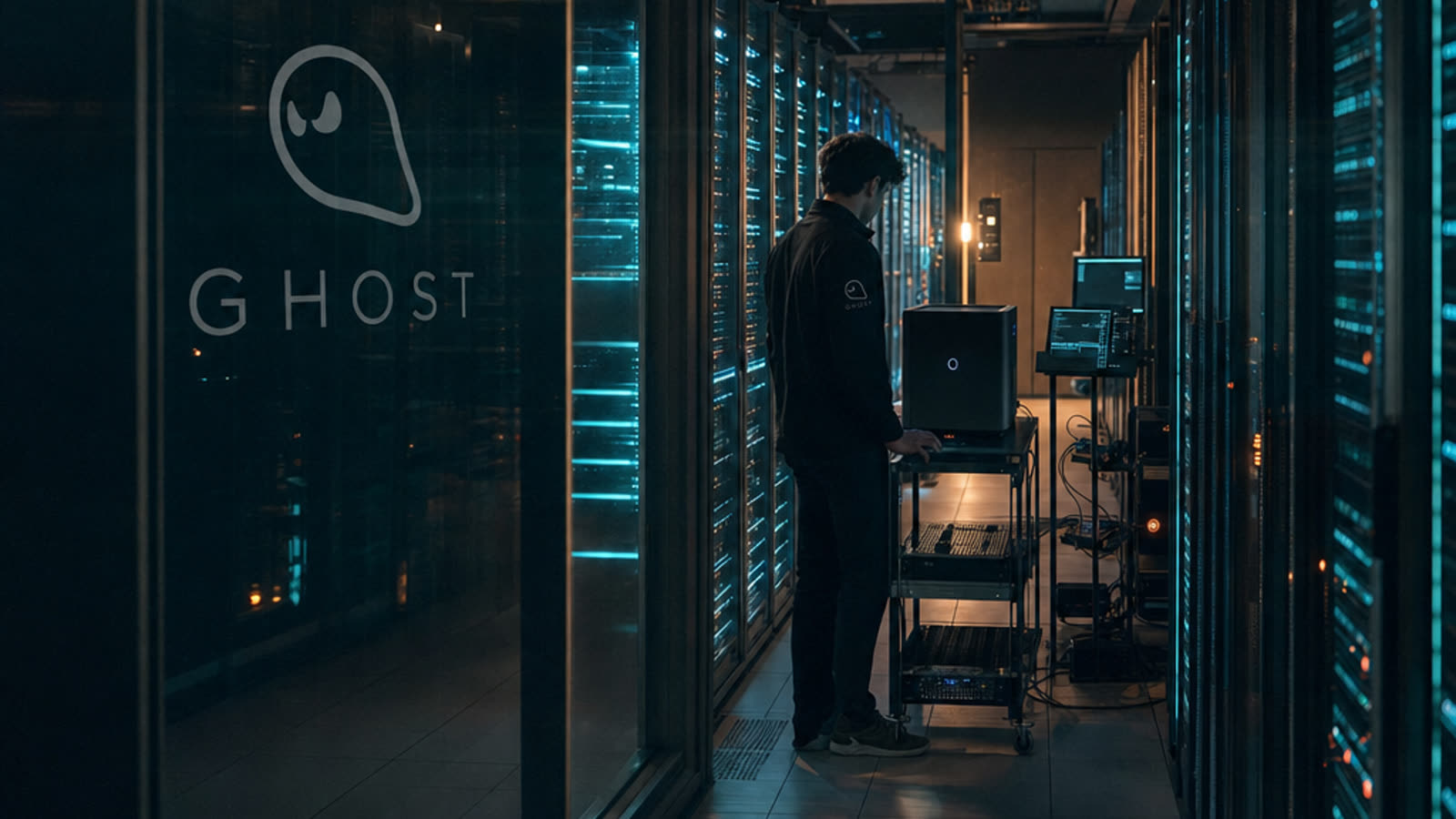
The pitch is almost nostalgic: buy a box, plug it in, own your compute. Ghost, a startup founded by a teenager who was apparently too impatient to finish college, has raised $11 million to sell a $3,499 personal computer optimized for running large language models locally. The product ships with enough on-device horsepower to handle inference for most open-weight models without pinging a remote server. In 2026, when every major AI lab is racing to lock users into subscription cloud services, this is either a charming throwback or a genuinely prescient hedge.
The economics of local inference
The case for Ghost rests on two pillars. First, inference costs add up. A power user burning through hundreds of thousands of tokens monthly on ChatGPT or Claude can easily spend more than the Ghost's sticker price within a year or two, especially once enterprise tiers are involved. Second, privacy. Professionals handling sensitive client data—lawyers, therapists, journalists, financial advisors—face genuine compliance headaches when routing queries through third-party servers. A local box sidesteps those anxieties entirely.
The counterargument is equally obvious: frontier models live in the cloud. Running a quantized Llama derivative locally is fine for many tasks, but it won't match GPT-5-class performance on complex reasoning or multimodal work. Ghost is betting that the open-weight ecosystem will continue closing the gap, and that for most everyday use cases, "good enough" already arrived.
The founder factor
Investors are clearly buying the person as much as the product. At 19, Ghost's founder has already shipped hardware—a rare credential in an industry where most teenage prodigies stick to software. The $11 million round, reportedly led by a mix of hardware-focused VCs and AI-native angels, values the company in the low nine figures. That's aggressive for a consumer electronics play with no proven distribution, but the bet is that Ghost can carve out a niche before the hyperscalers notice.
The timing is deliberate. Nvidia's consumer GPUs remain expensive and power-hungry; Apple's M-series chips are capable but locked into a walled garden. Ghost is positioning itself as the neutral, purpose-built option for users who want local AI without the Apple tax or the DIY complexity of building a Linux rig.
Our take
This is a fascinating contrarian bet. The overwhelming momentum in AI is toward centralized, metered cloud services—OpenAI, Anthropic, and Google all want you renting their inference, not owning it. Ghost is wagering that a meaningful slice of the market will resist that model, either for cost, privacy, or sheer ideological preference. Whether $3,499 is the right price point for that audience remains to be seen, but the underlying thesis—that local compute will matter more, not less, as AI becomes essential infrastructure—deserves to be taken seriously. The founder's age is a curiosity; the product is the real story.