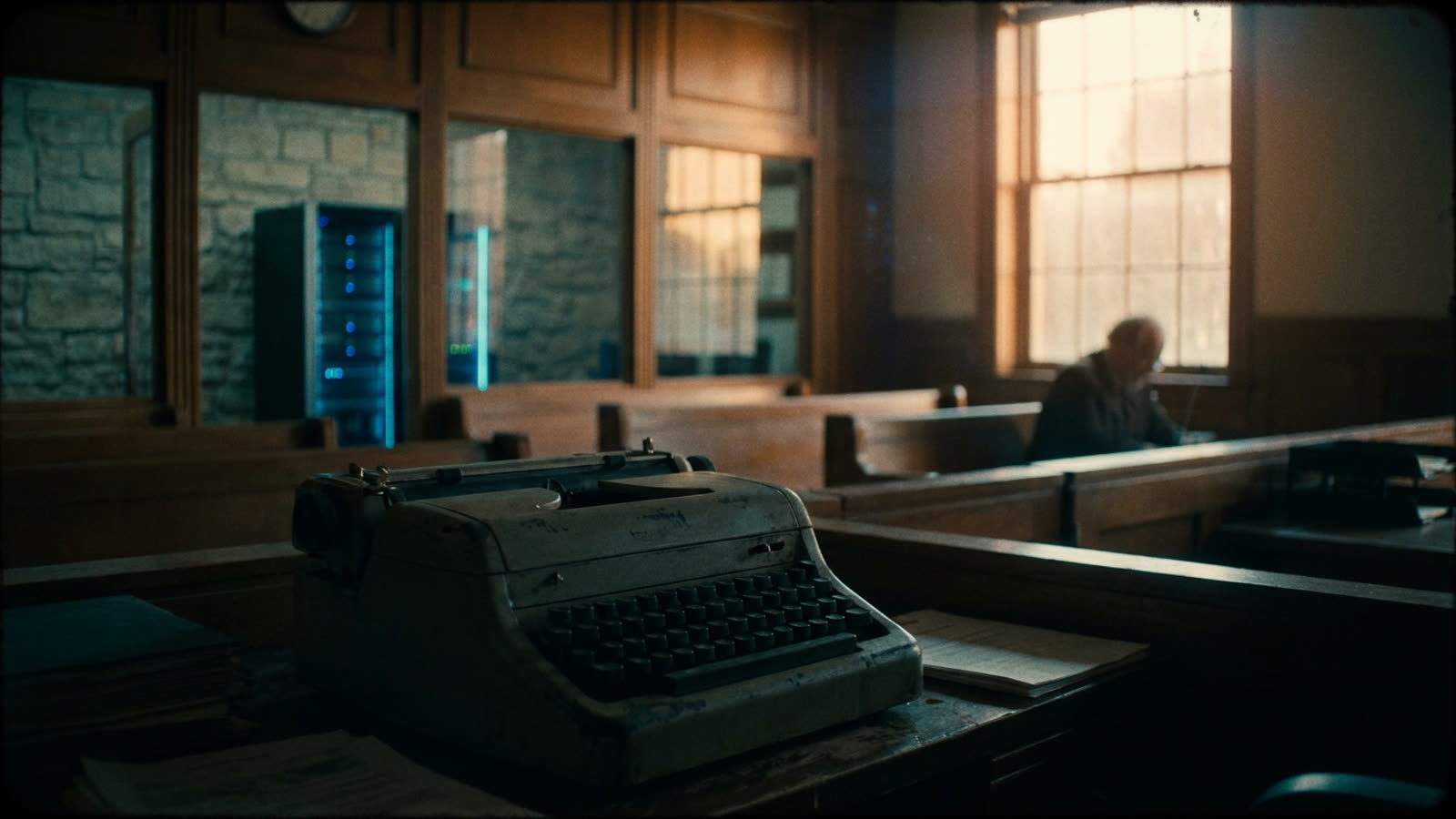
The modern librarian has always been part detective, part therapist, part search engine. For decades, the profession's core competency was knowing where to look—which database, which archive, which obscure government publication might hold the answer to a patron's question. That skill set is now being fundamentally rewired by artificial intelligence, and the transformation is happening with remarkably little fanfare.
Public and academic libraries across North America and Europe have begun deploying conversational AI systems to handle reference queries that once required trained professionals. The technology isn't replacing librarians wholesale—not yet—but it is changing what librarians actually do with their time, and what skills the profession will demand going forward.
The reference desk after hours
The most immediate application has been extending service hours without extending payroll. A patron searching for information at two in the morning no longer hits a wall. AI chatbots trained on library catalogs, subscription databases, and curated knowledge bases can now guide users through research questions with surprising competence. They can explain Boolean search operators, suggest alternative keywords, and point toward resources the patron didn't know existed.
This matters more than it might seem. Reference librarians have long known that the questions people ask are rarely the questions they actually need answered. A student asking for "books about the Civil War" might really need help narrowing a thesis topic. An elderly patron asking about "that article I read last month" might need help reconstructing a half-remembered citation. AI systems are increasingly capable of this kind of interpretive work—probing, clarifying, redirecting—that was once the exclusive province of human expertise.
The cataloging question
Behind the scenes, the transformation runs deeper. Cataloging and metadata creation—the painstaking work of describing, classifying, and organizing materials so they can be found—has historically consumed enormous professional labor. AI systems can now generate subject headings, abstracts, and classification codes with accuracy that approaches human performance on routine materials. The implications for technical services departments are significant: fewer staff hours devoted to descriptive work, more capacity for collection development and digital preservation.
Library schools have noticed. Curricula that once emphasized cataloging standards and controlled vocabularies are pivoting toward data science, user experience design, and AI literacy. The profession is betting that tomorrow's librarians will need to manage intelligent systems rather than perform the tasks those systems are absorbing.
What machines still cannot do
The limits of AI in library contexts are instructive. Complex research consultations—the kind where a doctoral student needs help navigating an interdisciplinary literature, or a journalist needs to verify a sensitive historical claim—still benefit enormously from human judgment. Librarians bring contextual knowledge about source reliability, institutional politics, and disciplinary conventions that current AI systems lack. They also bring something harder to quantify: the ability to recognize when a patron is struggling emotionally, not just intellectually.
Community programming, another pillar of modern librarianship, remains stubbornly human. Story hours, literacy workshops, job search assistance for the unemployed—these services depend on physical presence and interpersonal trust that no chatbot replicates.
Our take
Librarianship has survived the card catalog, the internet, and Google. It will survive AI too, but not unchanged. The profession is being pushed toward its highest-value functions: curation, critical evaluation, and human connection. The librarians who thrive will be those who embrace AI as a tool that handles the routine so they can focus on the irreplaceable. The ones who resist may find their roles automated out from under them. That's not a threat unique to libraries—it's the defining labor question of the decade.