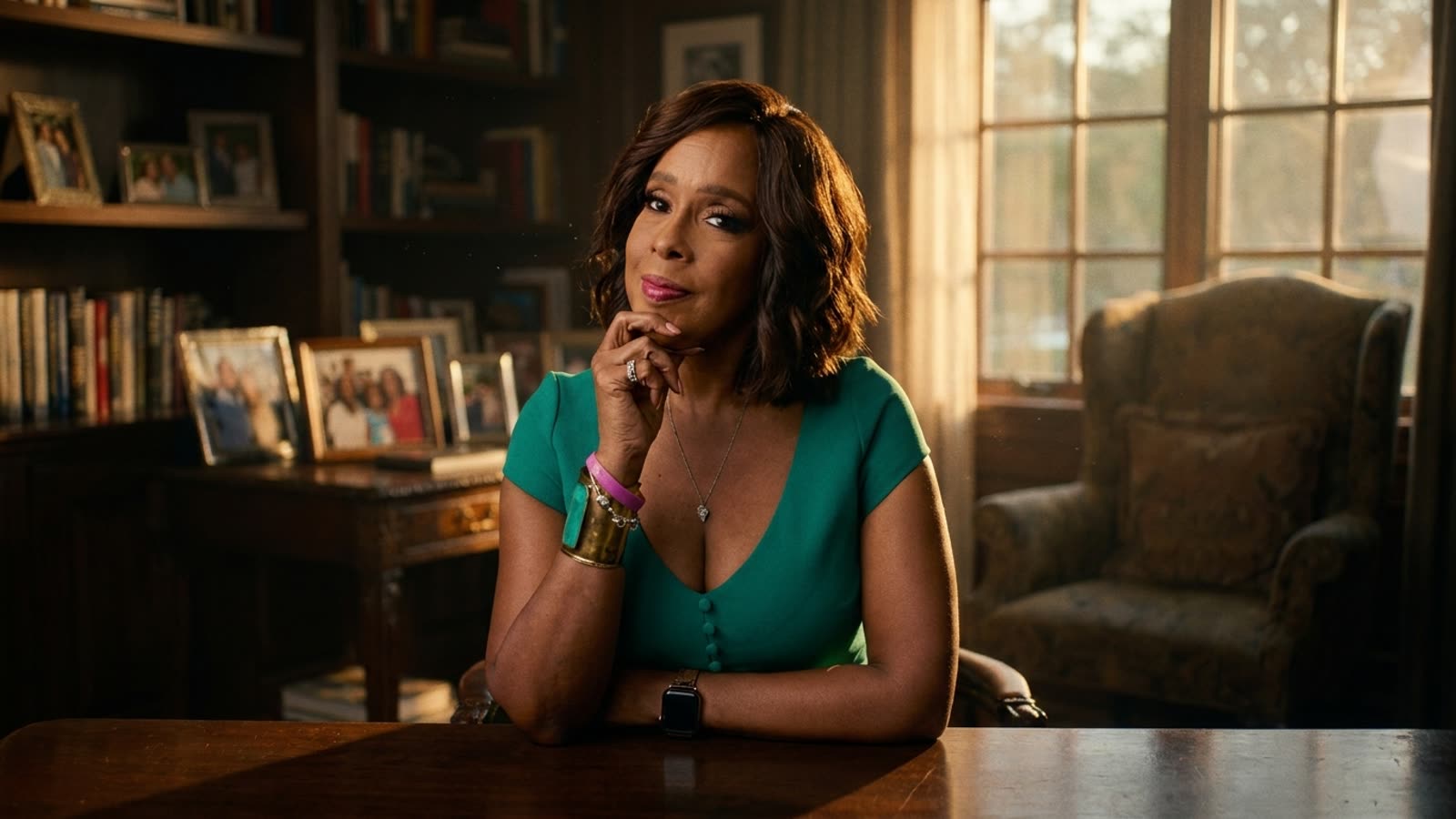
There is a particular cruelty to betrayal that compounds itself: not merely the affair, but the proximity of the accomplice. Gayle King, now 71 and among the most recognizable faces in American morning television, has spoken again about the dissolution of her marriage to William Bumpus in the early 1990s—specifically, the moment she discovered he was sleeping with a woman she considered a close friend.
The revelation is not new. King has discussed the affair before, most notably in interviews around her memoir work and in conversations with her best friend Oprah Winfrey. But her latest recounting carries a different texture: less raw wound, more scar tissue examined under clinical light. She recalls walking in on the encounter, the immediate physical shock, and the years of therapy that followed. What she does not do—and has never done—is name the friend.
The architecture of discretion
King's refusal to identify the other woman has become, over three decades, its own kind of statement. In an era when public figures routinely weaponize personal grievances for content, her silence reads as almost anachronistic. She has explained it simply: naming the woman would serve no purpose except revenge, and revenge would not undo the damage. This is not forgiveness theater. King has been clear that she has not forgiven Bumpus, that the betrayal fundamentally altered her capacity for romantic trust. But she distinguishes between processing pain and performing it.
The distinction matters because King occupies a peculiar position in celebrity culture. She is famous partly for her proximity to Winfrey, partly for her own journalistic career, and partly for a persona that combines warmth with a refusal to be rattled. Her handling of the R. Kelly interview, her composure during the Charlie Rose fallout at CBS—these moments cemented a reputation for steadiness under pressure. The affair story contextualizes that steadiness: it was forged, not inherited.
Why this keeps surfacing
King returns to this material periodically, and each return generates headlines. The cynical read is that it is reliable content, a guaranteed emotional beat for interviews promoting other projects. The more generous interpretation is that King understands something about how trauma narratives function for audiences. People who have experienced similar betrayals find utility in hearing a successful, composed woman admit that she still carries the injury. It normalizes the persistence of hurt without glamorizing victimhood.
There is also the generational element. King came of age professionally before the confessional economy of social media. Her disclosures are calibrated, offered in controlled settings, never in Instagram stories or podcast rambles. This formality gives them weight. When she says the affair changed her, the statement lands differently than it would from someone who documents every emotional fluctuation in real time.
Our take
Gayle King's periodic revisitation of her marriage's end is not oversharing; it is editing. She has decided which details serve a purpose and which would merely satisfy curiosity. In a media landscape that rewards total exposure, her restraint is its own kind of power move—proof that you can be honest about devastation without letting it define you, and that some silences are louder than any name she could speak.