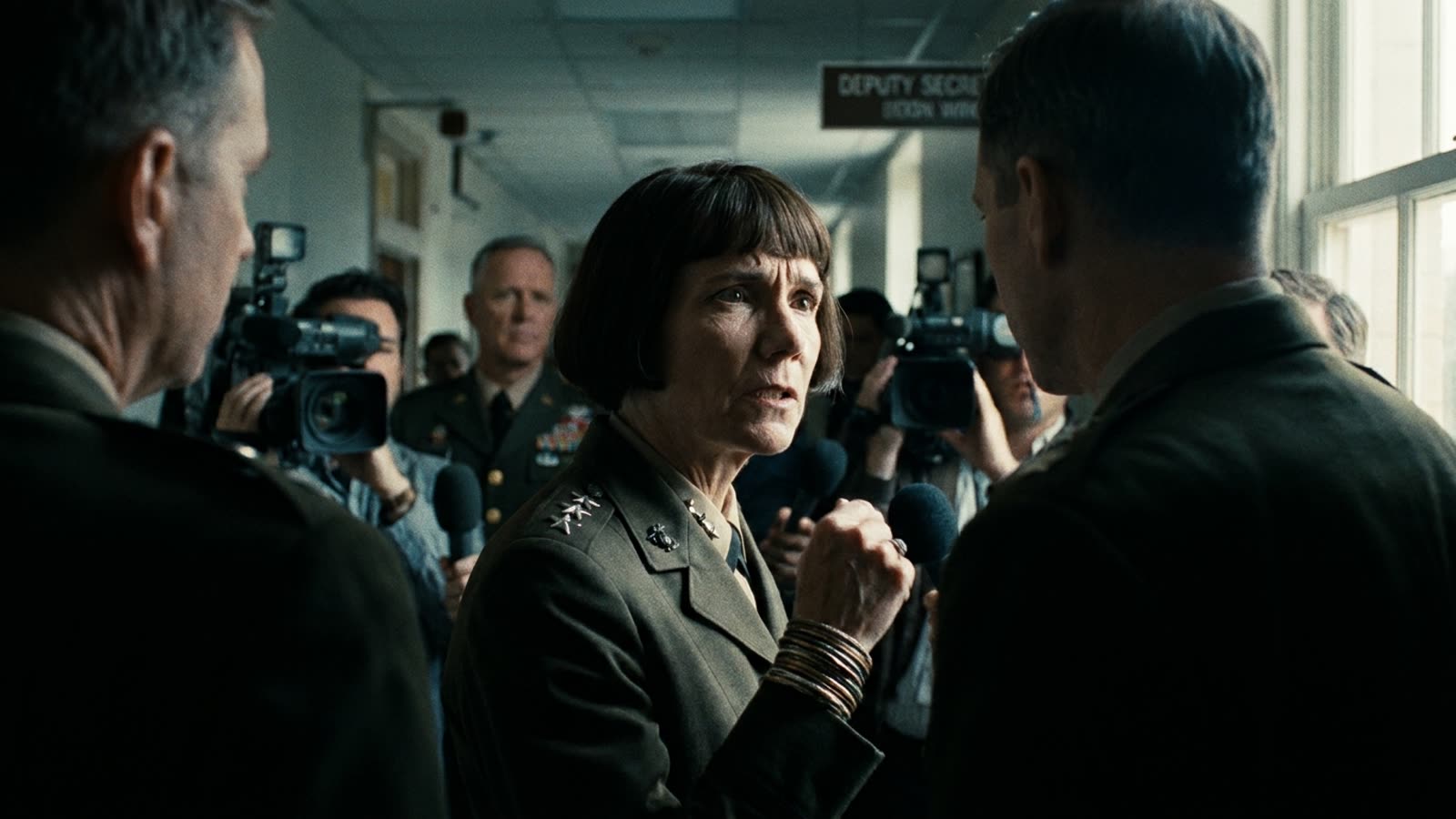
The United States military does not fire three-star generals lightly. The paperwork alone is Byzantine, the institutional embarrassment acute, the signal to allies and adversaries unmistakable. So when the Pentagon announced Thursday that Army Lieutenant General Brett Sylvia had been relieved of duty for leaking classified information to the media, the question was never whether the decision was serious—it was what information was serious enough to warrant it.
The answer, according to officials familiar with the investigation, involves intelligence assessments on both Iran and Ukraine—two theaters where the gap between the uniformed military's threat perception and the White House's diplomatic posture has grown into a chasm.
The general and the gaps
Sylvia, a decorated officer who commanded forces in both Iraq and Afghanistan, had most recently served in a senior planning role at the Pentagon. His access to compartmented intelligence on Iranian military capabilities and Ukrainian battlefield conditions was extensive. The leaks attributed to him reportedly included assessments that contradicted public administration statements about Iranian nuclear timelines and the sustainability of Ukraine's defensive positions without continued American support.
Neither subject is politically neutral. The administration has spent months signaling openness to a recalibrated relationship with Tehran—Vice President Vance's letter to Iranian security officials this week being only the latest overture. Meanwhile, the president's well-documented skepticism about Ukraine aid has created persistent tension with military planners who view Kyiv's survival as a core American interest.
A pattern, not an anomaly
Sylvia's dismissal is not occurring in isolation. The White House has been consumed by what one aide described to reporters as a "grim mood" heading into next week's midterms, with turnover accelerating and the president tightening his inner circle. In that environment, leaks are not merely security breaches—they are acts of institutional defiance, signals that the national security apparatus has not fully aligned with the commander-in-chief's vision.
The administration's response has been to treat such defiance as intolerable. But firing generals creates its own problems. It suggests to foreign intelligence services that American civil-military relations are strained. It tells mid-career officers that candor, even through improper channels, carries career-ending risk. And it raises the question every leak investigation eventually surfaces: was the information damaging because it was secret, or because it was true?
Our take
Generals who leak classified material deserve consequences; that is not in dispute. But the speed and visibility of Sylvia's dismissal—days before a midterm election, amid swirling anxieties about Iran and Ukraine policy—suggests the administration is as interested in the message as the punishment. The message is clear: dissent, even when grounded in genuine intelligence concerns, will not be tolerated. Whether that produces a more disciplined military or a more silent one is a question the next Congress may have to answer.