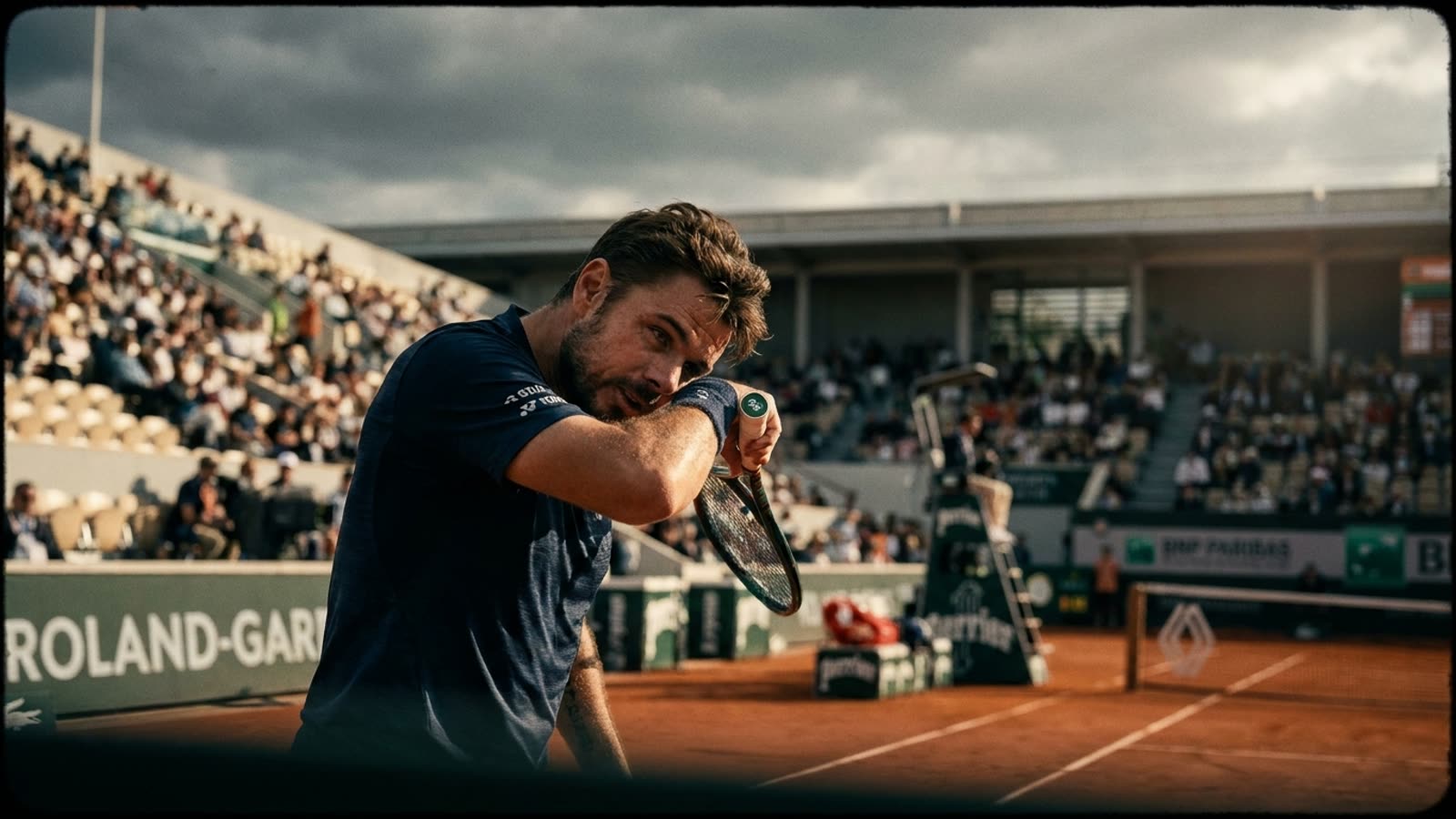
The French Open has always been tennis's great equalizer — the tournament where big servers go to die and baseliners grind their way to glory. But in 2026, Roland Garros is experiencing an identity crisis, and the culprit is a thermometer reading north of 38°C.
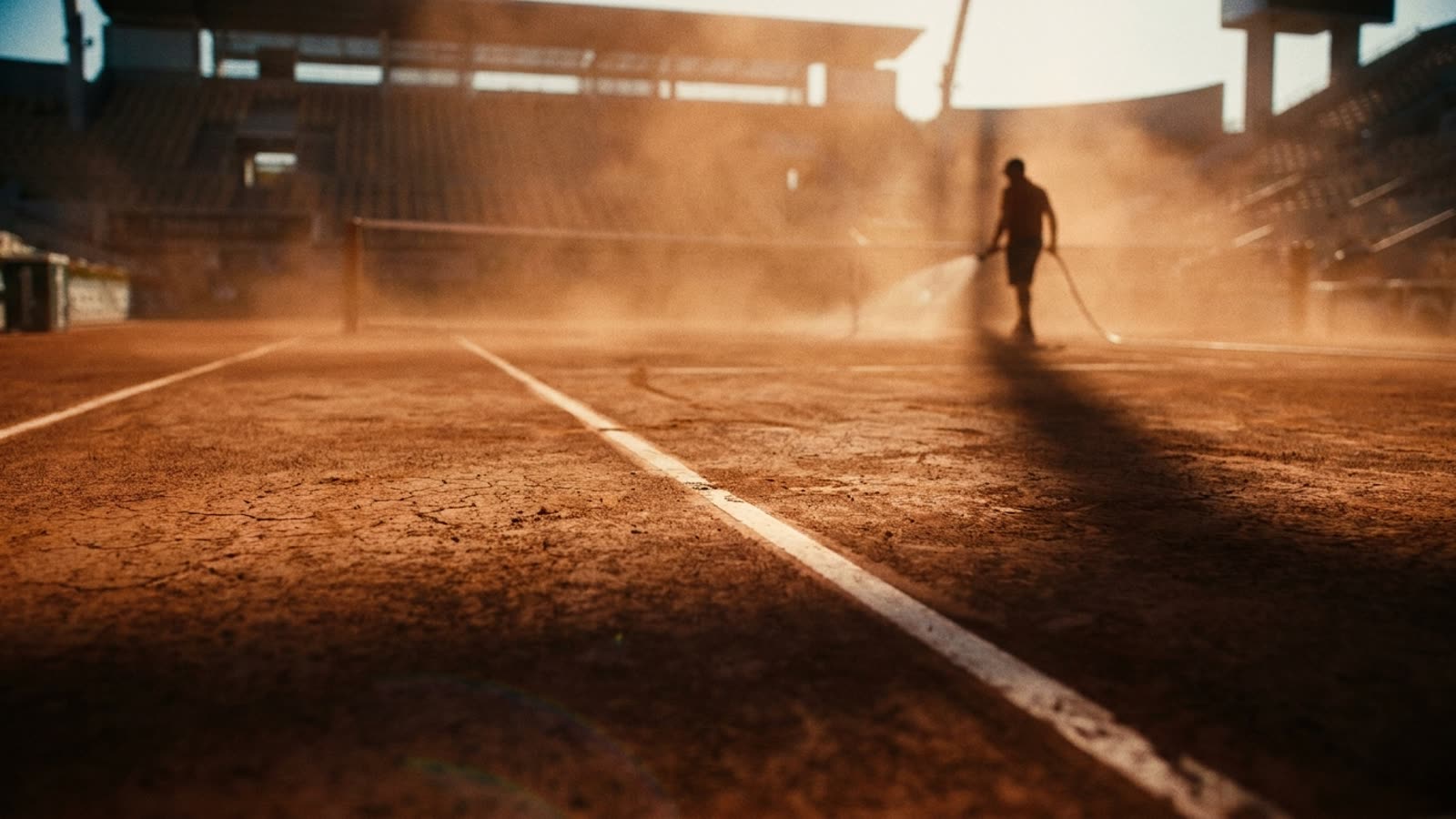
The heat wave currently suffocating Paris has done something remarkable to the tournament's famed terre battue: it has turned the world's slowest major into something approaching a medium-pace hardcourt. The baked clay is offering less grip, balls are skidding through rather than sitting up, and the entire tactical playbook that defines success on this surface is being rewritten mid-tournament.
The physics of parched clay
Clay courts derive their distinctive playing characteristics from moisture. The loose surface absorbs pace, allows balls to grip and kick high, and rewards players willing to construct points over twenty-stroke rallies. But when temperatures soar and humidity plummets, the clay hardens and compacts. The top layer becomes almost ceramic-like, reducing the friction that normally slows the ball.
Players have noticed immediately. First serves that would typically land and sit up are now skidding through at shoulder height rather than head height. Slice backhands, usually neutralized by the heavy surface, are staying low and causing havoc. The tournament's signature conditions — the ones that have historically favored Nadal-style heavy topspin and patient construction — are temporarily suspended.
Winners and losers in the new order
The tactical implications are significant. Flat hitters and aggressive baseliners who might struggle in typical Roland Garros conditions are suddenly finding the surface hospitable. Players with one-dimensional power games, usually fodder for clay-court specialists by the second week, are surviving longer than expected.
Conversely, the grinders are struggling. Players who rely on heavy topspin to push opponents back are finding their shots landing shorter, their margin for error reduced. The patient, methodical approach that wins French Opens is being punished by conditions that reward taking the ball early and finishing points quickly.
Our take
There is something delicious about watching tennis's most tradition-bound tournament get scrambled by weather. Roland Garros has always prided itself on being different — the only clay-court major, the surface that demands a specific skill set. Now it is learning what the rest of professional tennis already knows: conditions are variables, not constants. The players who adapt fastest will advance; the ones who keep trying to play "French Open tennis" on a surface that no longer exists may find themselves on early flights home. Climate, it turns out, does not care about your tactical preferences.