Frankie Edgar never looked like a fighter. At five-foot-six with the frame of a high school wrestler who forgot to grow, he spent his entire UFC career being told he was too small for whatever division he inhabited. He won the lightweight championship anyway, defended it twice against larger opponents, and became the sport's most beloved underdog before the term got cheapened by reality television.
Now 44, Edgar has been retired since 2023, and the question of what a fighter does when the fighting stops has no easy answer.
The improbable reign
Edgar captured the lightweight title in 2010 by defeating B.J. Penn, a man considered one of the greatest fighters ever assembled. He did it through relentless forward pressure and a cardio engine that seemed to violate thermodynamics. Two rematches with Penn followed, both Edgar victories. Then came the Gray Maynard fights—a draw and a comeback knockout that remains one of the most dramatic sequences in UFC history.
What made Edgar unusual wasn't just his size disadvantage but his refusal to acknowledge it. He fought at featherweight after losing the lightweight belt, then dropped to bantamweight in his late thirties, chasing competition rather than avoiding it. The approach was either admirably stubborn or professionally reckless, depending on your tolerance for watching a beloved athlete absorb punishment.
Life after the cage
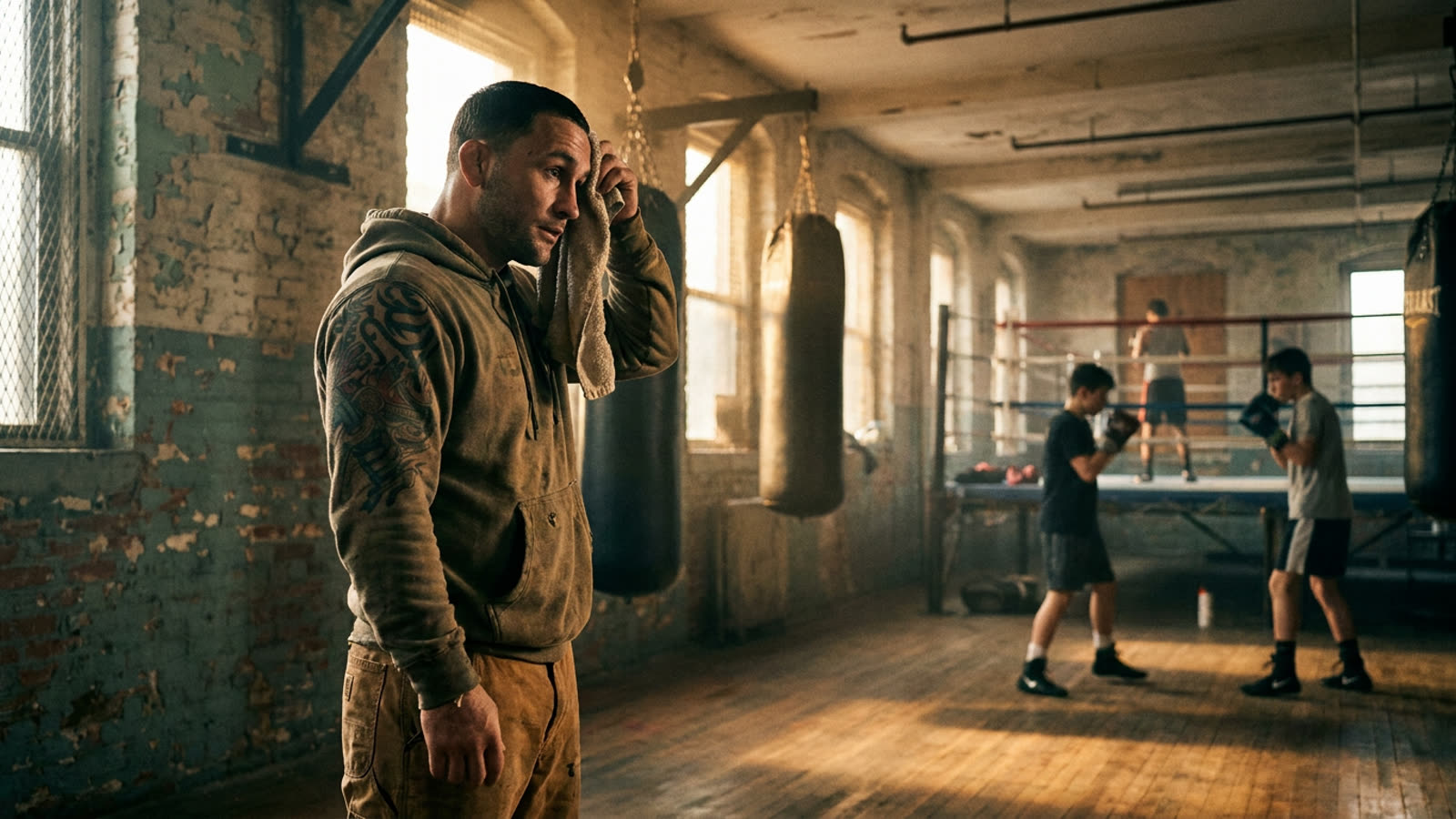
Retirement for fighters rarely resembles retirement for other athletes. There's no pension system worth mentioning, no guaranteed broadcast booth waiting. Edgar has stayed connected to the sport through coaching and occasional commentary work, but the transition from competitor to observer requires a psychological adjustment that money can't smooth over.
The fighter's brain, trained for years to process threat and opportunity in fractions of seconds, doesn't simply switch off. Edgar has spoken about the difficulty of watching fights without mentally inserting himself into the action, calculating angles and openings for an opponent who no longer exists.
The concussion question
No discussion of retired fighters in 2026 can avoid the specter of chronic traumatic encephalopathy. Edgar absorbed significant damage over a seventeen-year career, including several brutal knockout losses in his final years. He's been open about monitoring his cognitive health, a conversation that would have been unthinkable in the sport a decade ago.
The UFC's relationship with fighter health remains complicated—better than it was, worse than it should be. Edgar's generation served as test cases for what a long career in mixed martial arts does to the human body, and the data is still being collected.
Our take
Frankie Edgar deserved a better ending than the knockout losses that closed his career, but perhaps that's the point—fighters rarely get to choose their exits. What they can choose is how to carry themselves afterward, and Edgar has managed that with characteristic dignity. The sport is richer for his presence in it, even if the cost of that presence won't be fully known for years.