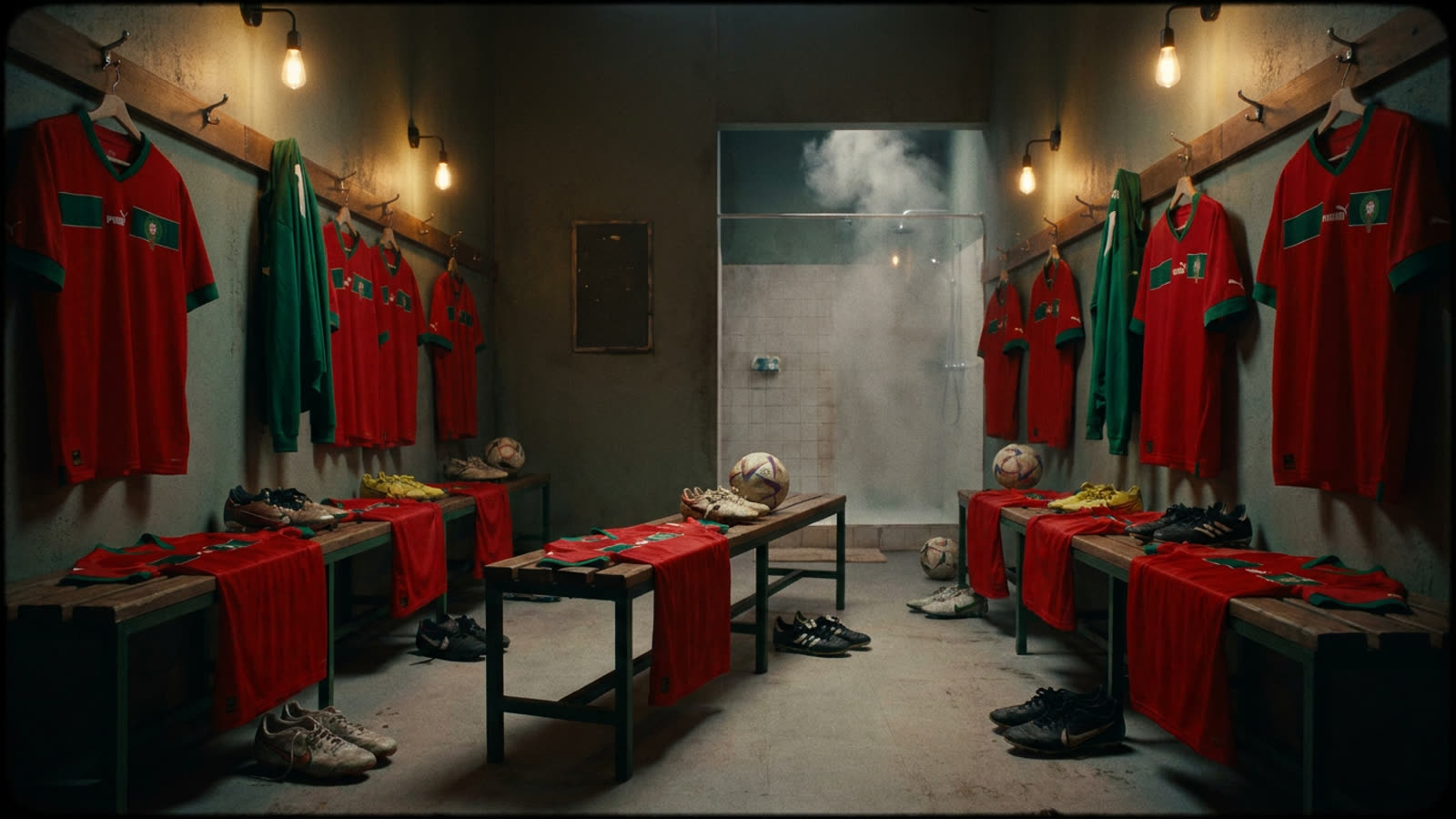
The 2022 World Cup semifinal between France and Morocco was supposed to be a coronation for the defending champions. Instead, it became a referendum on colonial history, refereeing decisions, and the emotional limits of the underdog narrative. France won 2-0, but Morocco left Qatar convinced they had been robbed—of penalty calls, of respect, of a final that felt spiritually theirs. Now, in the quarterfinals of the 2026 tournament, they meet again.
The rematch carries a charge that transcends football tactics. Morocco's 2022 run—the first African and Arab nation to reach a World Cup semifinal—transformed the Atlas Lions from plucky outsiders into a genuine footballing power with a permanent chip on their shoulder. France, meanwhile, arrives in this tournament as the tournament's most scrutinized side, defending a legacy that includes a 2018 title and a 2022 final appearance against Argentina.
The tactical evolution
Both teams have changed since Doha. Walid Regragui's Morocco has graduated from defensive heroics to controlled possession, though the spine of that 2022 squad—Achraf Hakimi, Sofyan Amrabat, and the imperious Yassine Bounou in goal—remains intact. They no longer need to park the bus; they can hurt you in transition and in buildup. France, under Didier Deschamps' continued stewardship, has integrated a younger generation around the established core. The question is whether Les Bleus' depth advantage—always their trump card—will matter against a Moroccan side that has learned to manage big-game pressure.
The political dimension
France's large Moroccan diaspora makes this fixture uniquely charged. In 2022, celebrations in Paris after Morocco's victories occasionally turned tense, and the semifinal defeat sparked genuine grief in communities that had adopted the Atlas Lions as a second national team. The French football establishment has always struggled with this duality—many of its own stars, including several on the current roster, trace their heritage to North Africa. This match forces uncomfortable questions about identity, allegiance, and who gets to claim victory.
The officiating shadow
Moroccan fans have not forgotten the penalty appeals denied in 2022, particularly a challenge on Sofiane Boufal that replays suggested warranted a closer look. Whether those grievances are justified or not, they have calcified into team mythology. Expect Regragui to reference them in his pre-match press conference; expect the referee, whoever draws the assignment, to face extraordinary scrutiny.
Our take
This is the quarterfinal the tournament needed. Not because it guarantees great football—though it might—but because it offers something rarer: genuine emotional stakes that extend beyond the pitch. Morocco wants vindication. France wants to prove that 2022 was not a fluke survived but a dynasty sustained. One of them will leave with their World Cup over and their narrative rewritten. The other will carry a story forward that, four years from now, we will still be telling.