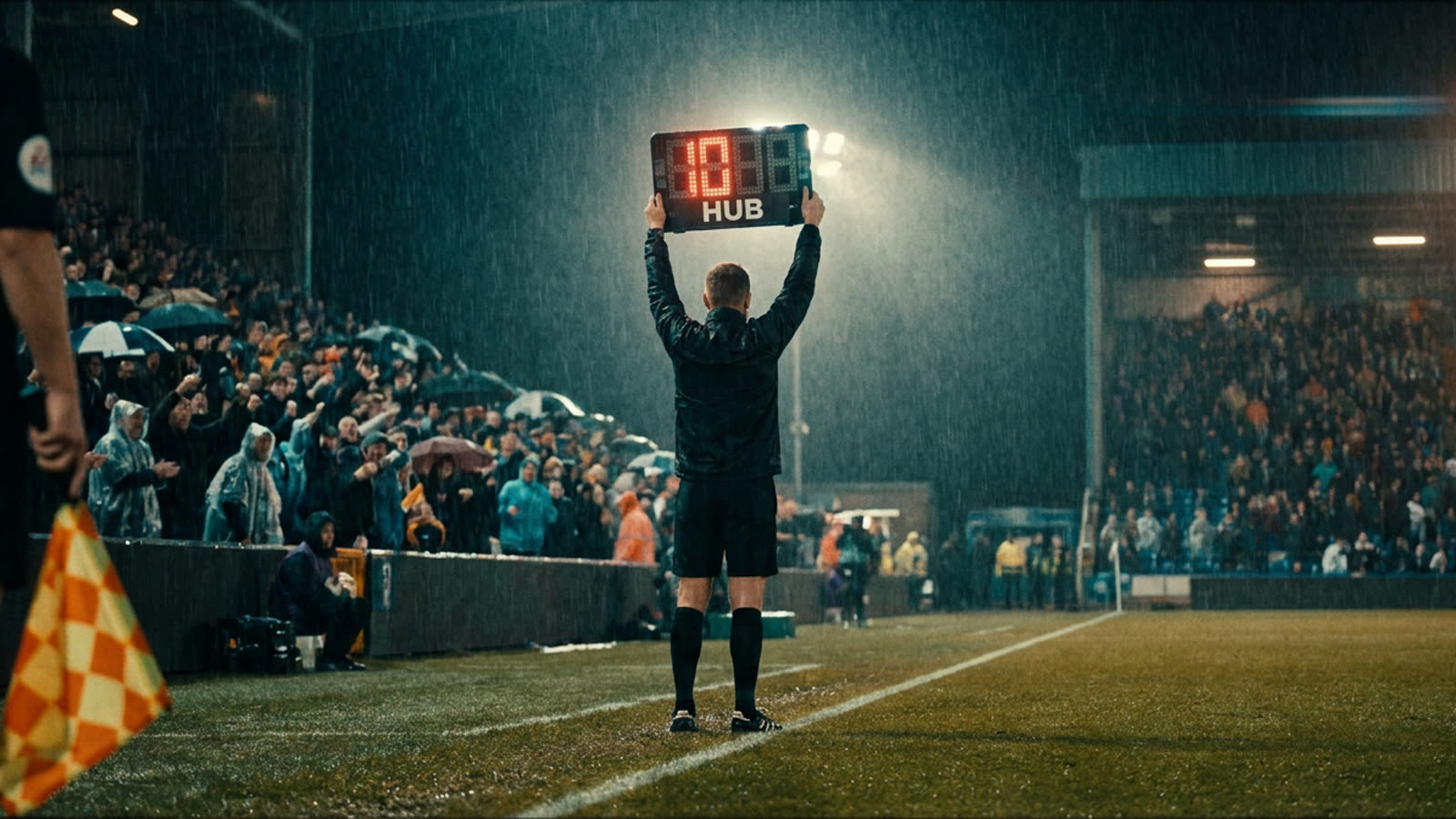
When a manager erupts at the touchline or a substitution board lights up with injury time, the camera inevitably finds the fourth official: clipboard in hand, headset on, expression studiedly neutral. To most spectators, this figure is a glorified timekeeper and occasional human shield for referee abuse. The reality is considerably more complex.
The position was formalized by FIFA in 1991, initially as an administrative convenience—someone to handle substitutions, check equipment, and step in if the referee was injured. Over three decades, it has transformed into a tactical nerve center that coordinates the entire officiating team while managing the psychological theater of the technical area.
The invisible workload
The fourth official is the only member of the officiating crew with a complete view of both benches, both managers, and the entire substitution protocol. Before kickoff, they verify player equipment, inspect the match ball supply, and brief both teams on technical area boundaries. During play, they maintain constant radio contact with the referee and assistant referees, relaying information about potential disciplinary issues the on-field crew may have missed.
They also manage the substitution process with surgical precision: verifying player numbers, ensuring departing players leave at the nearest touchline point, confirming the substitute has removed all jewelry and taped over jewelry that cannot be removed. A single error—allowing a player onto the pitch without the referee's explicit signal—can invalidate a goal or result in formal sanctions.
The added time calculation, contrary to popular belief, is a collaborative process. The fourth official tracks stoppages with a dedicated stopwatch but does not unilaterally decide the figure. They consult with the referee, who has final authority. The board itself is merely a communication tool; the official time is what the referee signals to the timekeeper.
The psychology of proximity
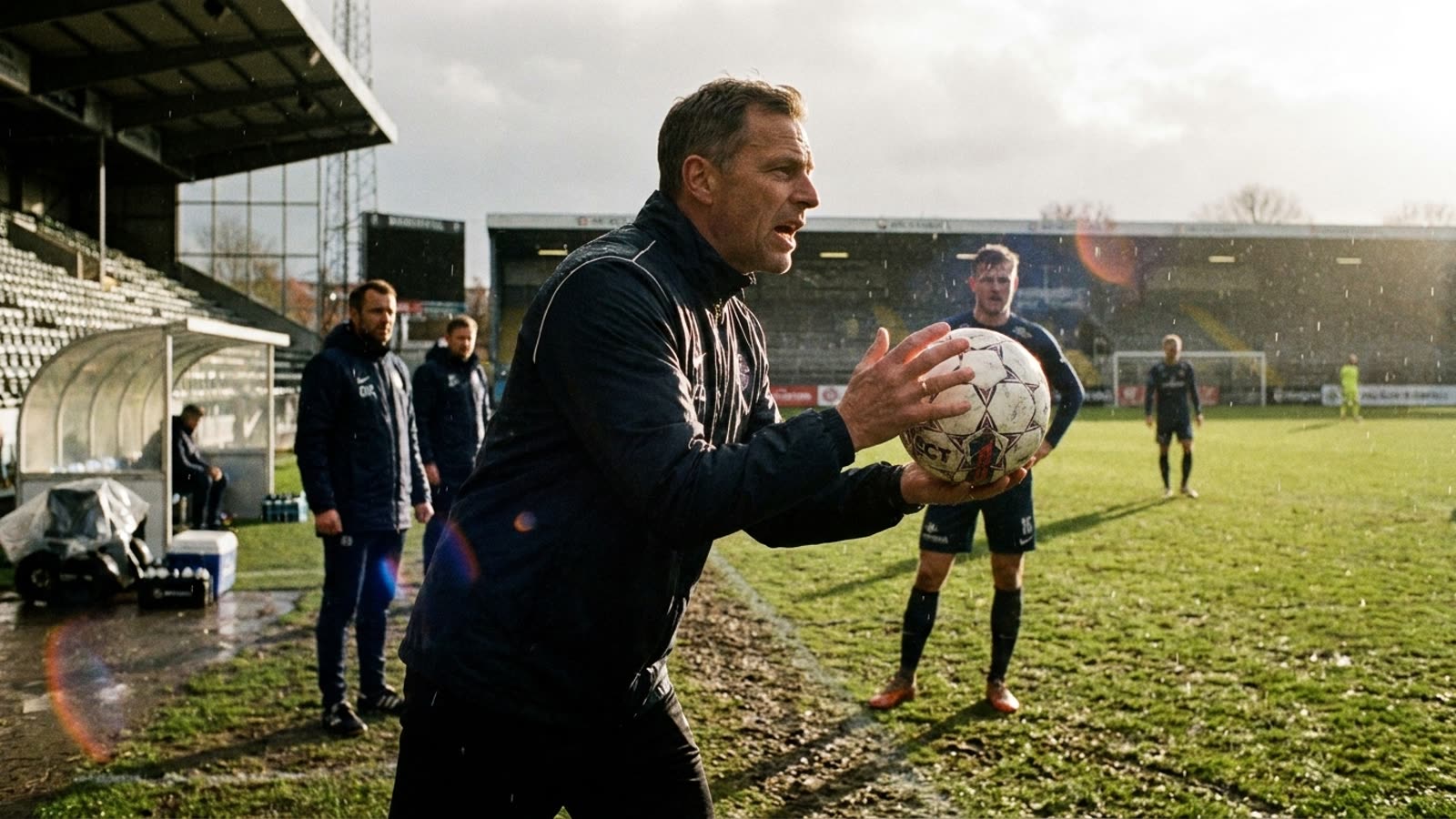
What distinguishes the role is its unique exposure to emotional pressure. The fourth official stands within arm's reach of managers whose livelihoods depend on marginal decisions. They absorb complaints about offside calls they did not make, fouls they did not see, and tactical injustices they have no power to remedy. The skill lies in defusing tension without appearing weak, maintaining authority without escalating confrontation.
Modern training emphasizes de-escalation techniques: acknowledging frustration without conceding error, using body language to establish boundaries, knowing when to issue formal warnings. The fourth official is expected to distinguish between competitive passion and dissent, between a manager venting and a manager crossing into abusive territory. Get it wrong in either direction—too lenient or too strict—and the match can spiral.
Senior referees often describe the fourth official role as the hardest job in officiating precisely because it requires constant judgment calls with no clear right answer. When to report a comment to the referee? When to let a manager's outburst pass? The laws of the game provide surprisingly little guidance.
The promotion paradox
The fourth official assignment occupies an awkward place in the referee career ladder. It is both a stepping stone—young referees gain experience at the highest level—and a demotion, as senior referees rotate through the role to stay match-fit or as a disciplinary measure after poor performances. At major tournaments, the fourth official role is often assigned to referees from smaller federations who lack the political capital for center assignments, creating a subtle hierarchy that players and managers instinctively sense.
This ambiguity affects how the role is perceived. A fourth official who has refereed World Cup matches commands more respect than one who has never held the whistle at that level. Yet both wear the same uniform and hold the same formal authority.
Our take
The fourth official has become the lightning rod for football's broader officiating anxieties—visible enough to blame, powerless enough to ignore. The role deserves more than punchlines about holding boards and absorbing tantrums. It is a study in authority without power, proximity without control, and the unglamorous work that makes the spectacle possible. The next time a manager screams into that impassive face, consider that the official is doing exactly what the job requires: standing there and taking it, while keeping twenty-two players, two coaching staffs, and three other officials coordinated. It is not the job anyone dreams of as a child, but professional football would collapse without it.