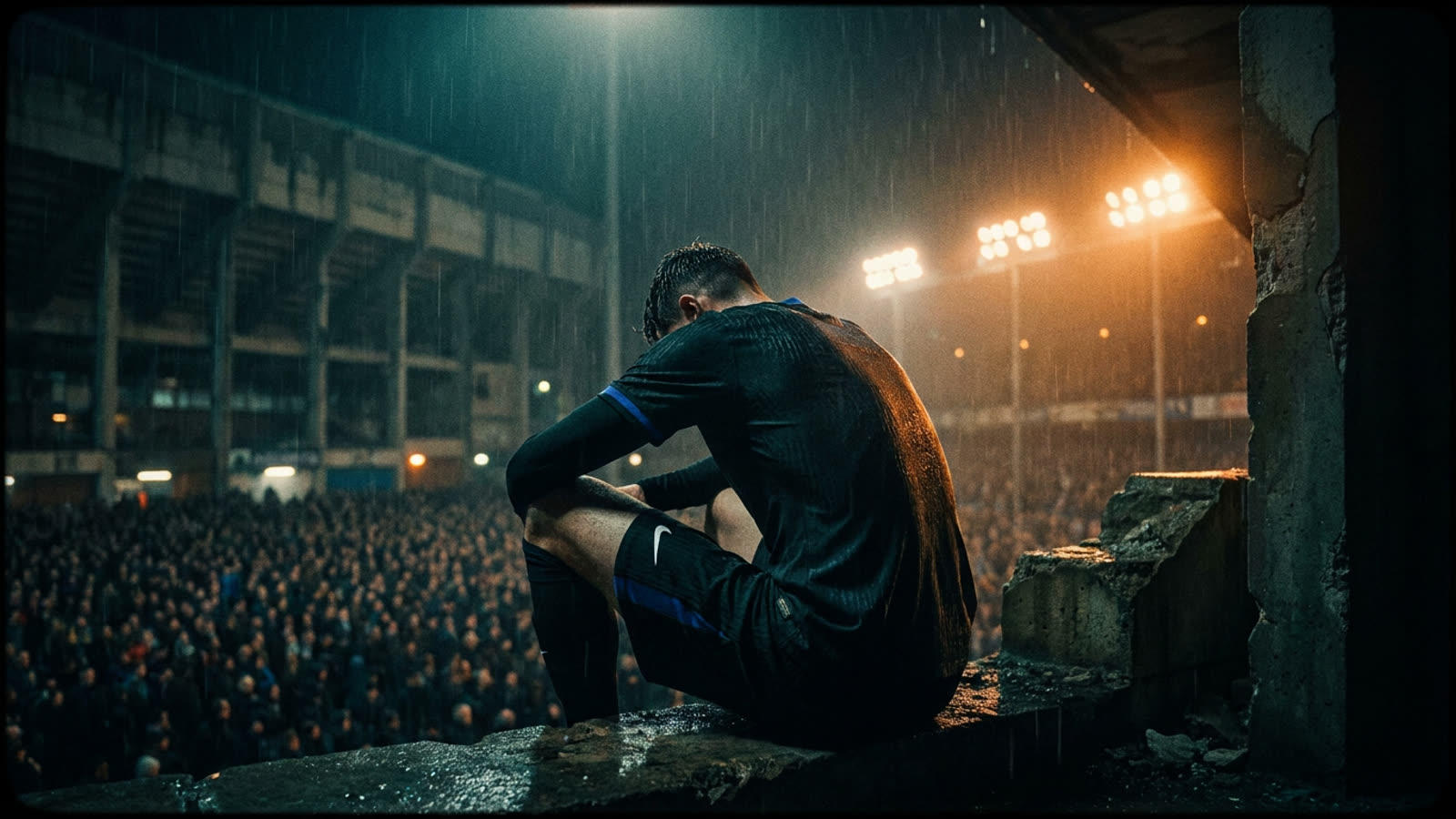
Football clubs do not need three kits. For most of the sport's history, two sufficed: a home strip worn at your own ground, an away strip worn when the hosts' colours clashed with yours. The third kit, that fluorescent or tie-dyed or gradient-drenched confection unveiled each summer with the solemnity of a fashion week debut, exists primarily because supporters will buy it. The garment is a triumph of manufactured desire over functional necessity, and understanding how it works reveals much about the modern football economy.
The regulatory fig leaf
Competition rules do require clubs to register multiple kits, and genuine clashes occasionally arise when both a home and away strip conflict with an opponent's colours or the referee's black. But these situations are vanishingly rare at the elite level, where fixture schedulers and kit manufacturers coordinate months in advance. The third kit's ostensible purpose—emergency backup—accounts for perhaps a handful of appearances per season for most clubs. The real purpose is commercial: a fresh product drop timed to the August transfer window frenzy, when supporter optimism peaks and wallets open.
The psychology of scarcity and identity
Kit manufacturers have refined the third-kit release into a behavioural-economics case study. Limited initial runs create artificial scarcity. Social-media teasers generate speculation. Influencer seeding ensures the design trends before it even hits shelves. The third kit often experiments with colours or patterns that would be unthinkable for the primary strip—a conservative club might suddenly appear in pink or camouflage—which paradoxically increases appeal. Supporters who already own the home and away versions face a collector's dilemma: the set feels incomplete without the third. Clubs and manufacturers understand that fandom is identity, and identity demands expression through merchandise. The third kit is not clothing; it is a loyalty test priced at seventy to ninety pounds.
The numbers behind the fabric
Elite clubs now generate substantial eight-figure sums annually from replica-kit sales, with the third kit contributing a meaningful share despite its limited on-pitch appearances. Manufacturers pay clubs guaranteed minimums plus royalties, and the three-kit cycle maximises both parties' revenue. The production cost of a replica shirt is a small fraction of its retail price, making margins enviable. Clubs have learned to stagger releases—home in May, away in July, third in August—to sustain commercial momentum across the summer. Some have floated the idea of a fourth kit; a few have quietly tested it in cup competitions. The ceiling, it seems, is whatever the market will tolerate.
Our take
The third kit is football's most honest admission that supporters are customers first and stakeholders second. It solves no problem that scheduling and common sense could not address, yet it persists because it works—commercially, psychologically, tribally. To condemn it as cynical is accurate but incomplete. The third kit also reflects something genuine: the desire of millions to belong, to signal, to refresh their allegiance each season. Clubs have simply learned to monetise that desire with impressive efficiency. Whether that represents capitalism at its most elegant or its most predatory depends largely on how much you paid for your last replica shirt.