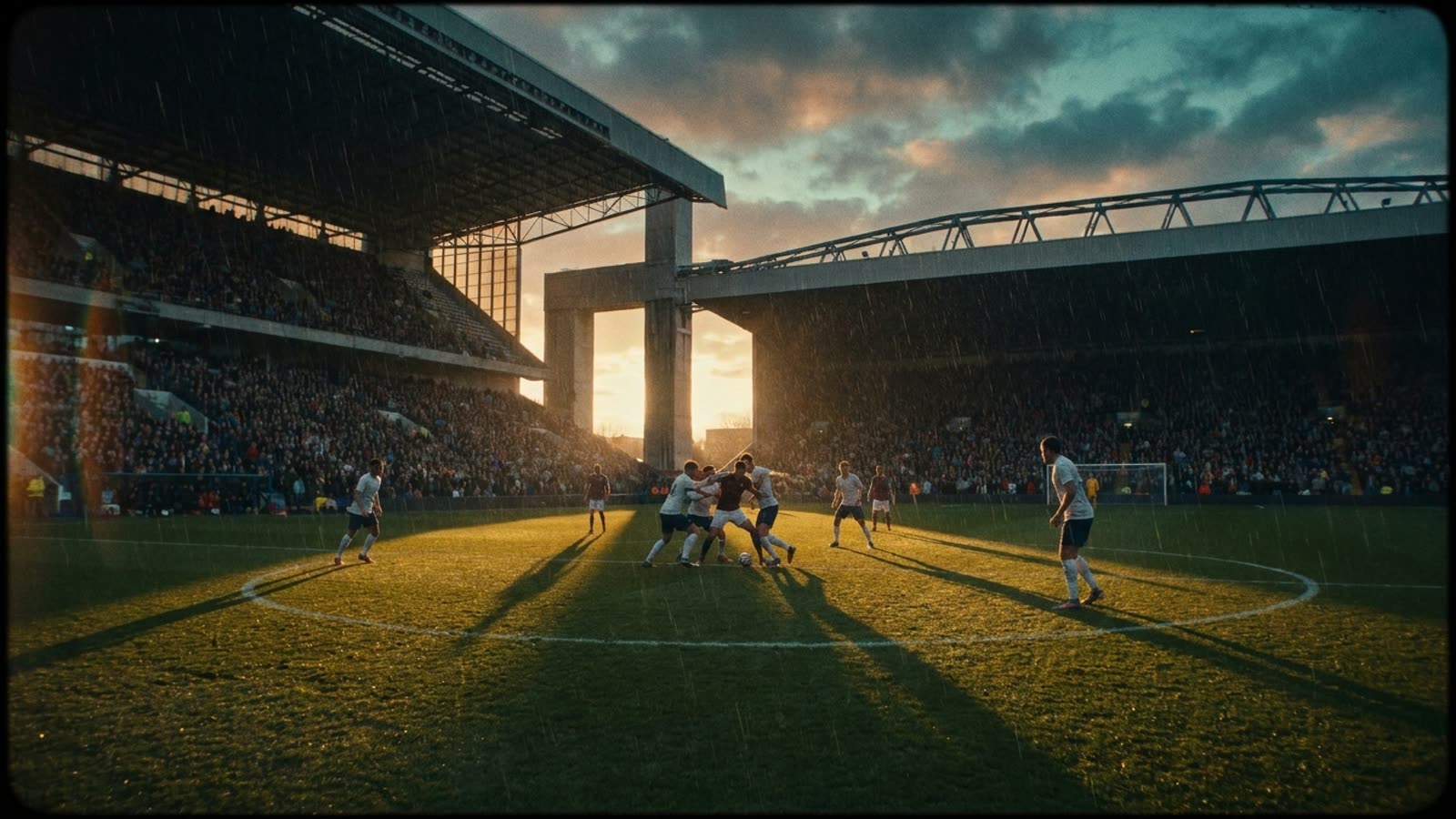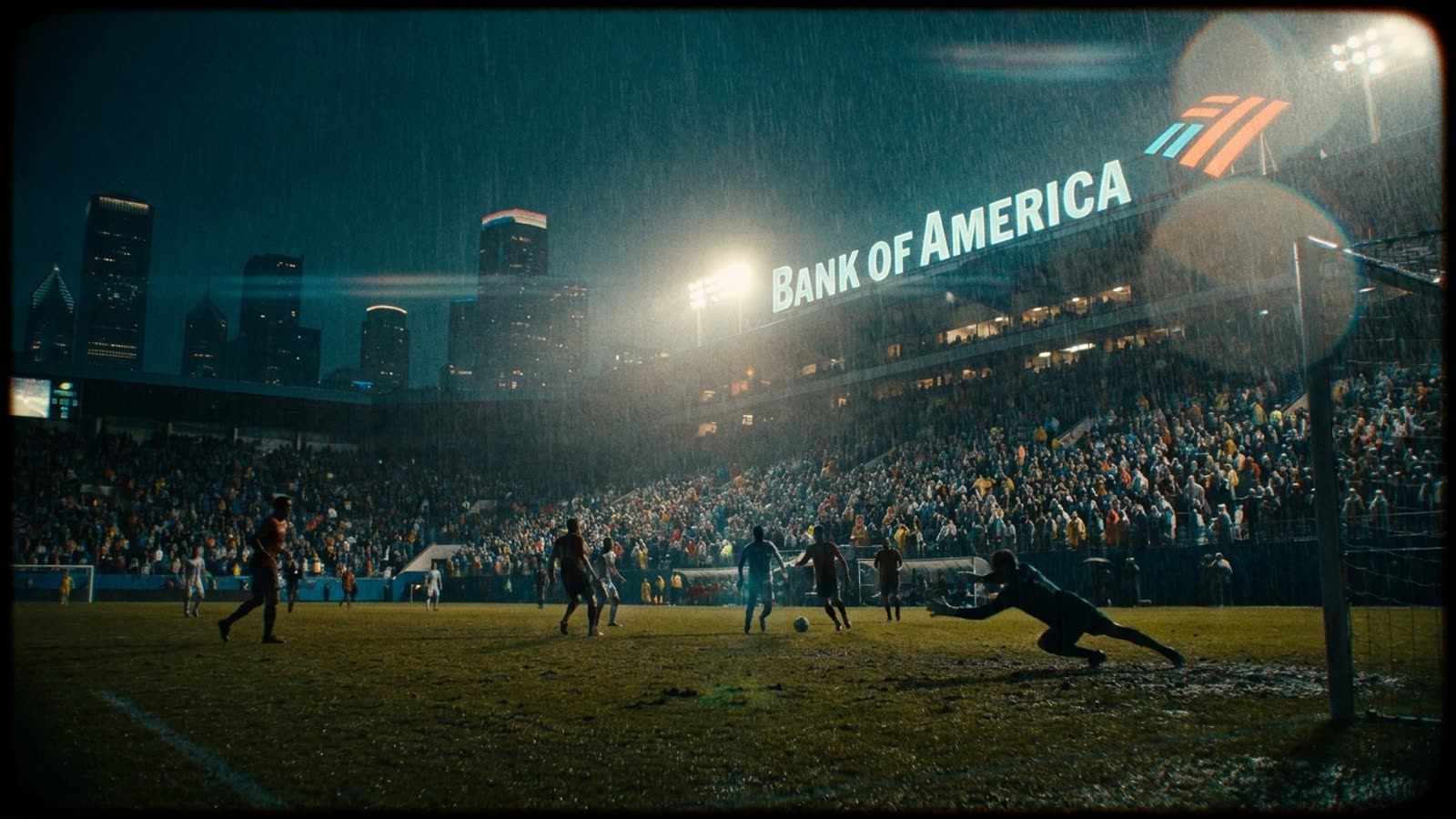
There was a time when a football stadium's name told you something about place. Anfield sat on Anfield Road. The Bernabéu honored a president who rebuilt Real Madrid from rubble. Old Trafford was simply old, and in Trafford. Then came the accountants.
Today, the world's most storied clubs play in venues named after airlines, insurance companies, and betting platforms. The transformation happened gradually, then all at once, and it reshaped not just how clubs fund themselves but how fans relate to the grounds they call home.
The arithmetic of naming
Naming rights deals typically run between ten and twenty-five years, with annual payments that can exceed fifty million dollars for elite venues. The logic is straightforward: a stadium name appears in every broadcast, every match report, every social media post. For a sponsor, it's the advertising equivalent of compound interest—exposure that accumulates without additional spend.
Clubs, meanwhile, face wage bills that have ballooned faster than broadcast revenues can cover. A naming deal offers guaranteed income, paid regardless of whether the team wins a trophy or survives relegation. In an industry where a single poor transfer can cost more than a stadium's annual maintenance, that predictability matters.
The earliest major deal in English football came when Arsenal moved from Highbury to a new ground in 2006, selling the name to Emirates for a reported hundred million pounds over fifteen years. Critics howled. Supporters invented nicknames—Ashburton Grove, the Grove—to avoid saying the airline's name. Arsenal cashed the checks and used them to service the debt from construction.
Why fans hate it, and why that hatred fades
The resistance to corporate naming follows a predictable arc. First comes outrage: the club has sold its soul. Then comes grudging acceptance: at least the money funds the squad. Finally comes normalization: younger supporters who never knew the old name use the new one without irony.
This pattern reveals something uncomfortable about fan identity. Supporters speak of stadiums as sacred ground, sites of collective memory and inherited loyalty. But memory adapts. The Allianz Arena in Munich, opened in 2005, now feels as inseparable from Bayern as the Bavarian crest itself. Tottenham's new ground, sponsored by an airline, has already generated its own folklore—the single-tier south stand, the microbrewery, the retractable pitch.
What fans actually resist is not commerce but change. A stadium renamed after decades of organic identity feels like theft. A new stadium born with a sponsor's name feels merely modern.
The second-order effects
Naming deals have created unexpected consequences. Sponsors now demand activation rights—the ability to host events, sell products, and shape the matchday experience in ways that extend beyond a sign on the facade. Some contracts include performance clauses tied to European qualification or attendance thresholds. A few have collapsed entirely when sponsors faced financial trouble or reputational crises, leaving clubs to scramble for replacements or revert to placeholder names.
The deals have also stratified the market. Elite clubs in major cities command premiums that dwarf what lower-league sides can attract. A Championship club might sell its naming rights for a few hundred thousand pounds annually; a Champions League regular commands figures a hundred times larger. The rich get richer, and the gap widens.
Our take
The debate over stadium naming rights is ultimately a debate about what football clubs are. If they are businesses—and they are—then selling a name is no different from selling a shirt sponsorship or a broadcast package. If they are community institutions—and they are that too—then every transaction carries emotional weight that balance sheets cannot capture. The truth is that clubs have always been both, and the tension between commerce and belonging is not a corruption of the sport but its permanent condition. The Emirates is still Highbury's heir. The money still spends.