The annual ritual arrives with metronomic predictability: sometime between late May and mid-July, every major football club on Earth unveils its new home kit within what feels like a single, suffocating fortnight. Parents' wallets groan in unison. This is not happenstance. It is one of the most precisely calibrated retail operations in global sport, and understanding its logic reveals much about how modern football has become as much a merchandise machine as a competition.
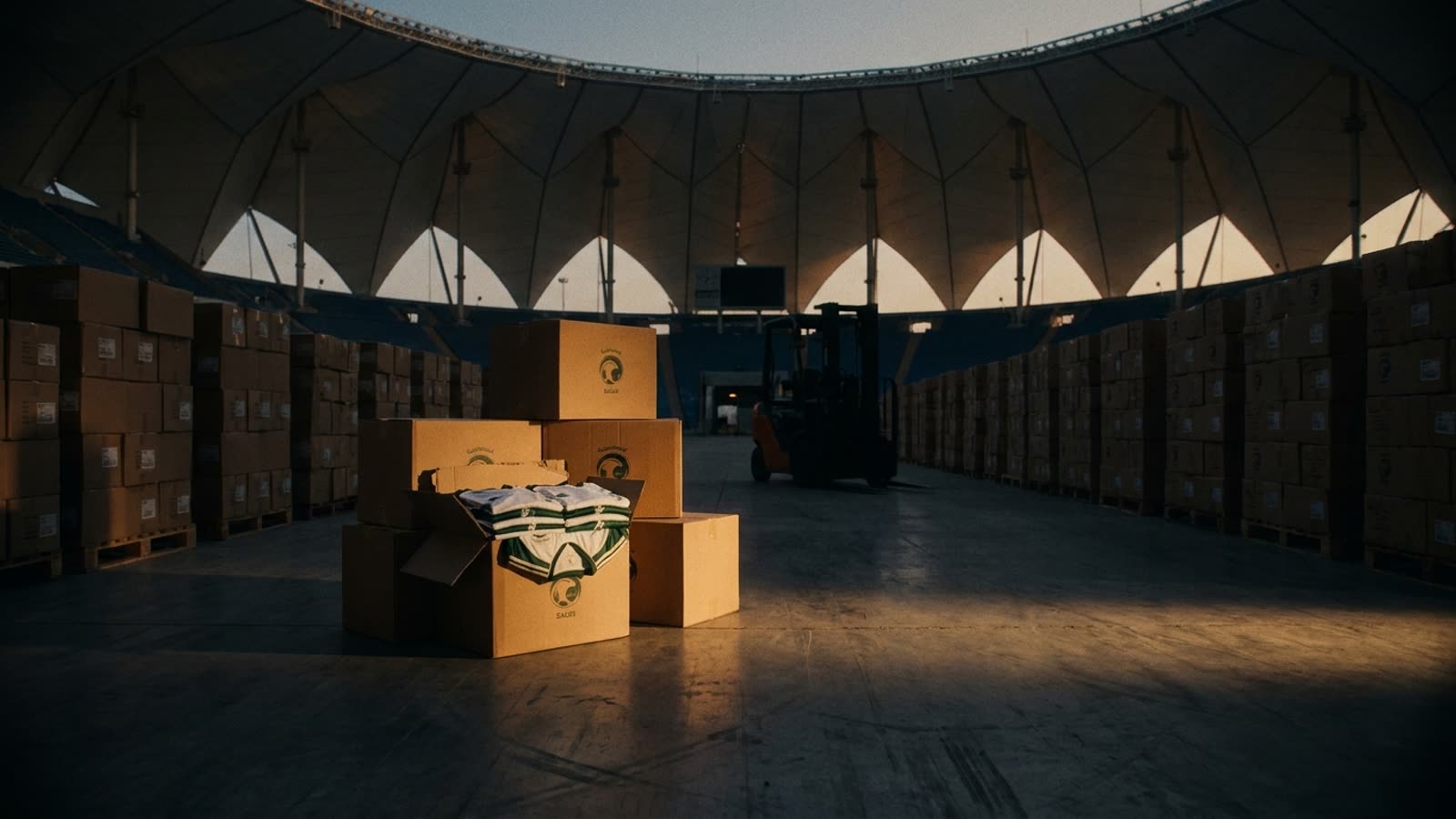
The window exists because of a simple constraint that has calcified into an industry-wide coordination game. UEFA and most domestic leagues require clubs to register their playing kits before the season begins, typically by early August. Work backward from that deadline, factor in the lead time needed for manufacturing, shipping, and retail distribution, and you arrive at the same narrow launch corridor every club must hit. But what began as logistical necessity has evolved into something more deliberate: a concentrated burst of hype designed to capture maximum consumer attention.
The psychology of the interregnum
The weeks between a season's end and the next campaign's beginning represent a peculiar emotional state for supporters. The withdrawal symptoms of no competitive football combine with the anticipation of what comes next. Kit manufacturers have learned to exploit this liminal period ruthlessly. A new shirt is not merely apparel; it is a vessel for hope, a tangible artifact of the coming season's possibilities before any disappointing results can tarnish the dream.
Retailers report that the first seventy-two hours after a kit launch generate a disproportionate share of total sales for that design's entire lifespan. The frenzy is self-reinforcing: early adopters post photographs on social media, creating free advertising that pressures the hesitant into purchasing before the novelty fades. Clubs have learned to stagger home, away, and third kits across the summer to create multiple spending occasions rather than one.
The children's market and the annual obsolescence model
The compressed timeline serves another function: it synchronizes with the school-holiday calendar in the Northern Hemisphere. Children are home, bored, and highly susceptible to the social pressure of playground fashion. A kit launched in late June gives parents approximately eight weeks of nagging before the school year begins, during which the child's desire compounds daily. The industry has effectively engineered an annual obsolescence cycle that would make smartphone manufacturers envious.
Manufacturers typically produce kits for two seasons before a redesign, but the psychological obsolescence is annual. Last year's shirt, though functionally identical, carries the faint stigma of the past. The margins on replica kits are substantial—a shirt that costs perhaps fifteen to twenty dollars to manufacture in Southeast Asia retails for ninety to one hundred fifty dollars in London or New York—and the concentrated launch window maximizes the urgency that sustains those margins.
Our take
The summer kit-launch frenzy is a masterclass in manufactured demand, and there is something almost admirable about its efficiency even as it extracts money from families who can ill afford the annual refresh. Football has always been a business dressed in tribal loyalty, and the kit calendar is simply the costume department working overtime. The only real mystery is why supporters—ourselves included—keep falling for it, year after year, as reliably as the fixtures themselves.