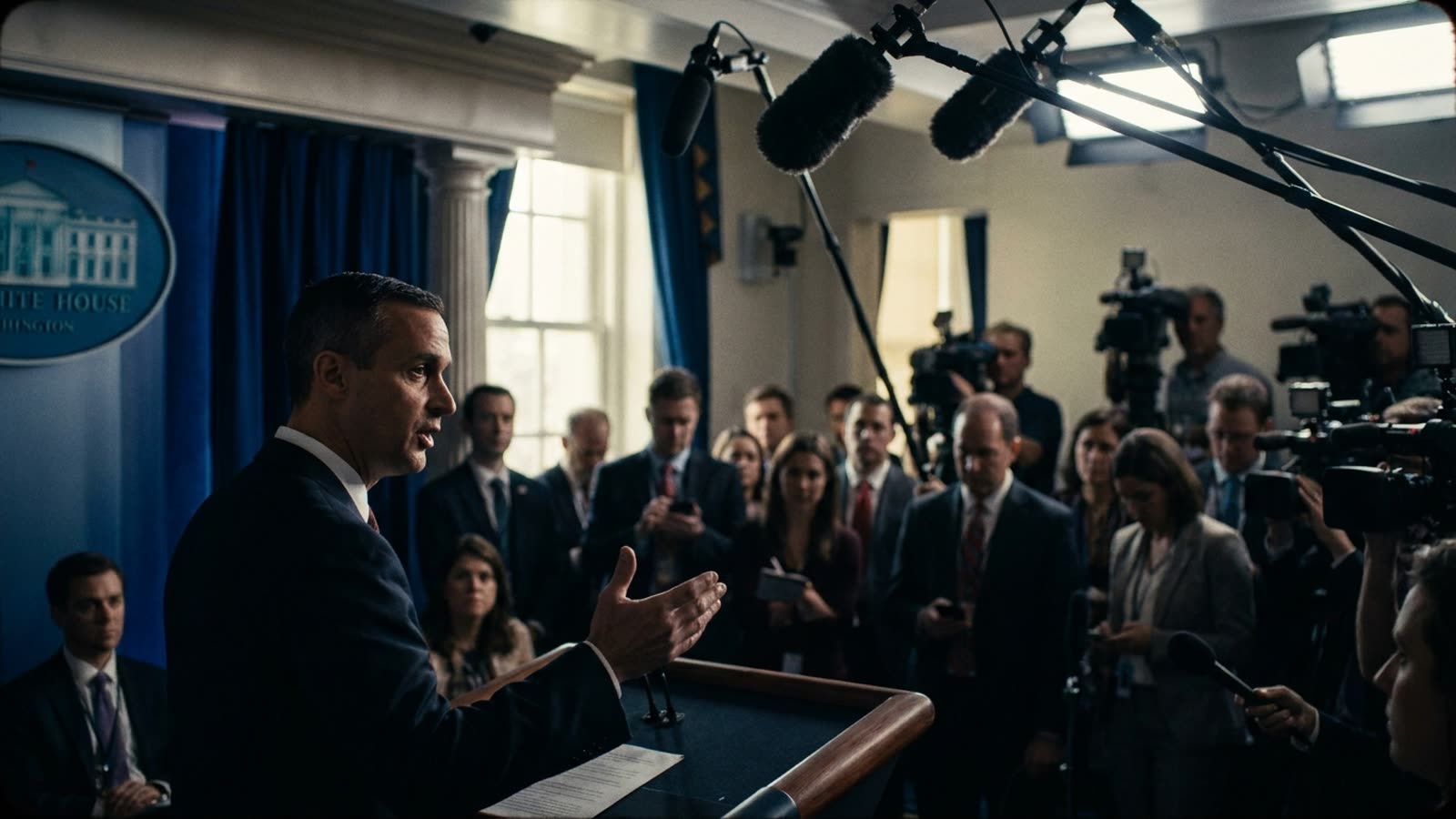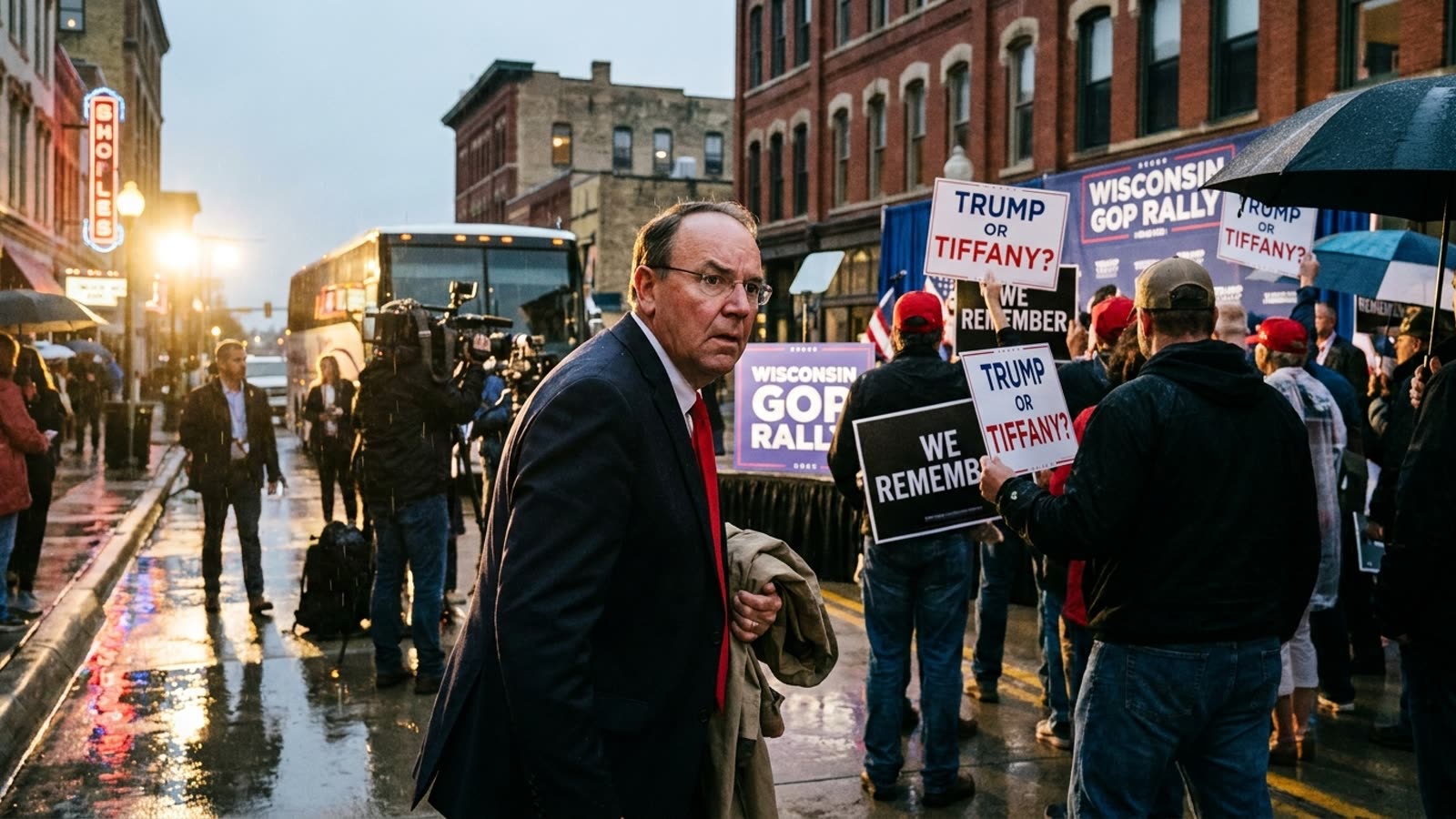
When a Republican president holds a rally in Florida, it is usually a victory lap. When he does so to rescue House candidates in districts he carried by double digits, it is triage.
Donald Trump touched down in the Tampa Bay area on Friday to boost a handful of GOP incumbents facing unexpectedly competitive re-election fights. The official line was enthusiasm; the subtext was alarm. Internal Republican polling reportedly shows at least three Florida House seats—districts that went for Trump by margins north of ten points in 2024—now within single digits. The culprit is familiar: college-educated suburbanites, particularly women, who voted Trump for president but have soured on his second-term governance and the candidates who echo it.
The suburban arithmetic
Florida's political realignment over the past decade has been a Republican success story. The state drifted rightward as retirees flooded in and Hispanic voters, especially Cubans, moved toward the GOP. But that drift masked a counter-current: the professional-class suburbs ringing Tampa, Orlando, and Jacksonville have grown younger, more diverse, and more skeptical of culture-war politics. These voters tolerated Trump in 2024 as a check on inflation; they are less forgiving now that tariffs have pushed prices higher and the administration's interventions in state-level races—see Alaska, see Maine—have reminded them why they once called themselves independents.
Democrats have noticed. The party has poured late money into FL-15 and FL-27, seats that were not on the original target list. Volunteer canvassing operations, dormant in Florida since the DeSantis blowout of 2022, have reactivated. The question is whether enthusiasm can overcome the structural disadvantage of gerrymandered maps.
What a Florida toss-up means nationally
If Republicans are sweating in Florida, they are in trouble almost everywhere. The state's cost of living, while rising, remains lower than the Northeast or California; its economy is humming; its governor is a Trump ally who has kept the state machinery friendly. If the GOP cannot bank these seats, the arithmetic for holding the House majority becomes exceedingly grim. Analysts now peg Democratic odds of flipping the chamber at roughly even—a dramatic shift from six months ago, when a narrow Republican hold seemed assured.
The White House has tried to reframe the narrative. Aides point to strong early-voting numbers among registered Republicans and argue that Trump's rallies drive turnout in ways that do not show up in surveys. Perhaps. But the president's own itinerary is the most honest poll: you do not spend a Friday night in a state you are confident about.
Our take
Florida was supposed to be the proof that the Sun Belt realignment was permanent. Instead it is becoming a test of whether any realignment survives contact with a second Trump term. The president's rally may well drag his candidates across the finish line—his retail-politics skills remain formidable. But the very need for the rescue mission suggests that the GOP's 2024 coalition was more fragile than the victory margin implied. If Florida is a toss-up, the midterms are a jump ball.