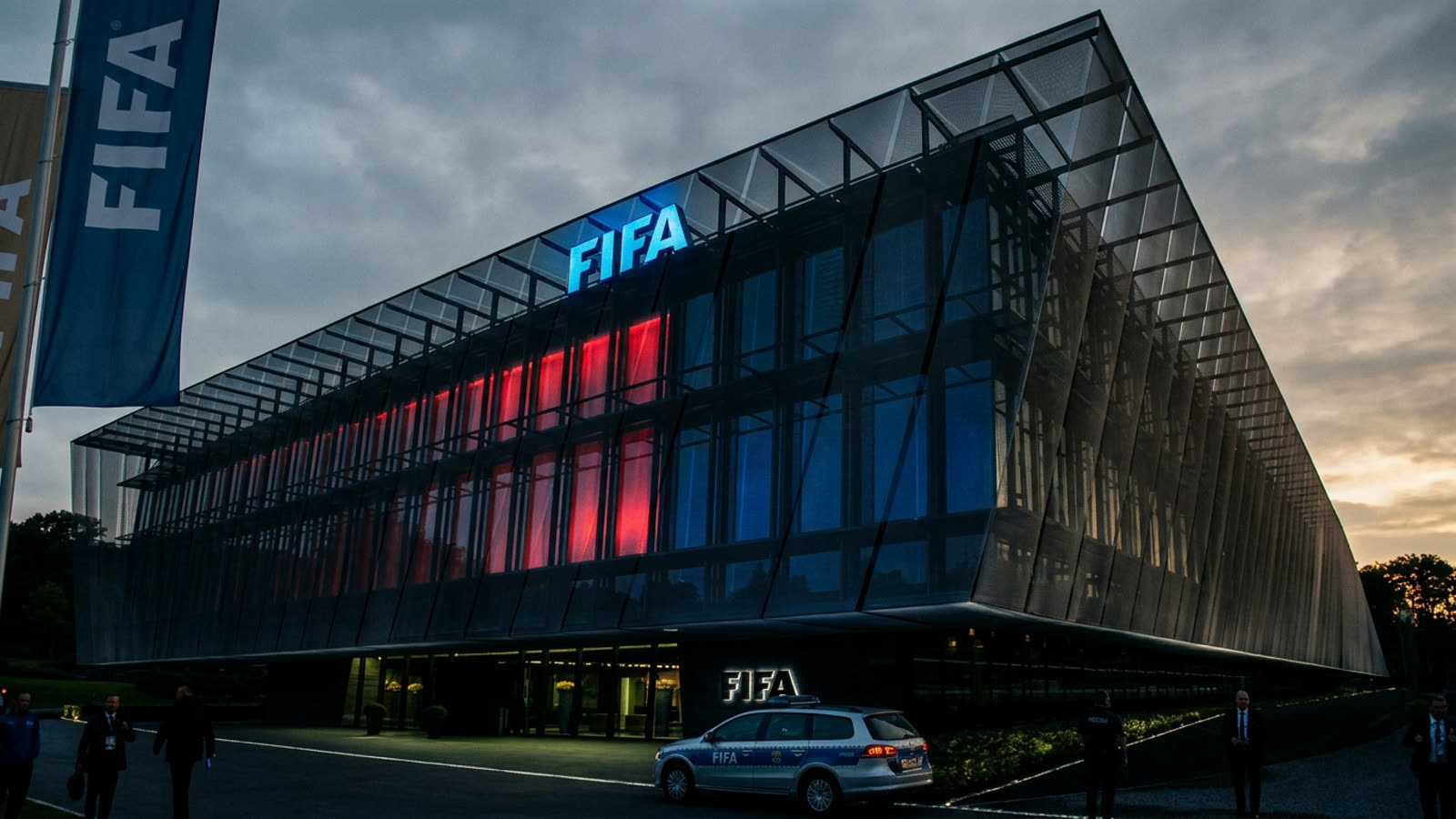
FIFA's carefully choreographed rehabilitation tour has hit a familiar obstacle: American prosecutors with subpoenas.
US authorities have issued a subpoena to football's global governing body over its ticketing practices for the 2026 World Cup, which the United States is co-hosting with Canada and Mexico. The investigation reportedly centers on whether FIFA's ticket allocation and distribution arrangements run afoul of federal antitrust and consumer protection laws — a line of inquiry that echoes the sprawling corruption probe that nearly brought the organization to its knees a decade ago.
A pattern that won't break
For FIFA, the timing is particularly unfortunate. The organization has spent years attempting to distance itself from the bribery and kickback scandals that culminated in the 2015 indictments of dozens of football officials, many of them arrested in a dramatic early-morning raid at a Zurich hotel. Gianni Infantino, who became president in 2016 partly by positioning himself as a reformer, has repeatedly insisted that FIFA has entered a new era of transparency and good governance.
Yet the ticketing question touches on practices that have long frustrated fans and attracted regulatory scrutiny. FIFA's arrangements with hospitality partners, its allocation quotas to member federations, and the murky secondary market that inevitably emerges around major tournaments have all drawn criticism. The subpoena suggests American authorities believe there may be more than mere inefficiency at work.
Why the US has leverage
The investigation carries particular weight because the United States is not merely a concerned bystander but a host nation. American venues will stage the majority of matches, including the final, and American consumers will purchase the largest share of tickets. That gives US prosecutors both jurisdictional standing and political motivation to ensure the tournament's commercial arrangements comply with domestic law.
FIFA has historically operated with a degree of impunity that would be unthinkable for most international organizations, leveraging its control over the world's most popular sport to extract favorable terms from host countries. But the 2015 prosecutions demonstrated that American authorities are willing to pursue cases aggressively when they can establish a connection to the US financial system or American victims.
Our take
The subpoena may amount to nothing — a fishing expedition that yields no charges. But its mere existence reveals how little FIFA's fundamental relationship with accountability has changed. An organization that had truly reformed would not find itself explaining its ticketing practices to federal investigators. The 2026 World Cup is supposed to be football's triumphant American homecoming. Instead, it's looking increasingly like a reunion with the prosecutors who never quite finished the job.