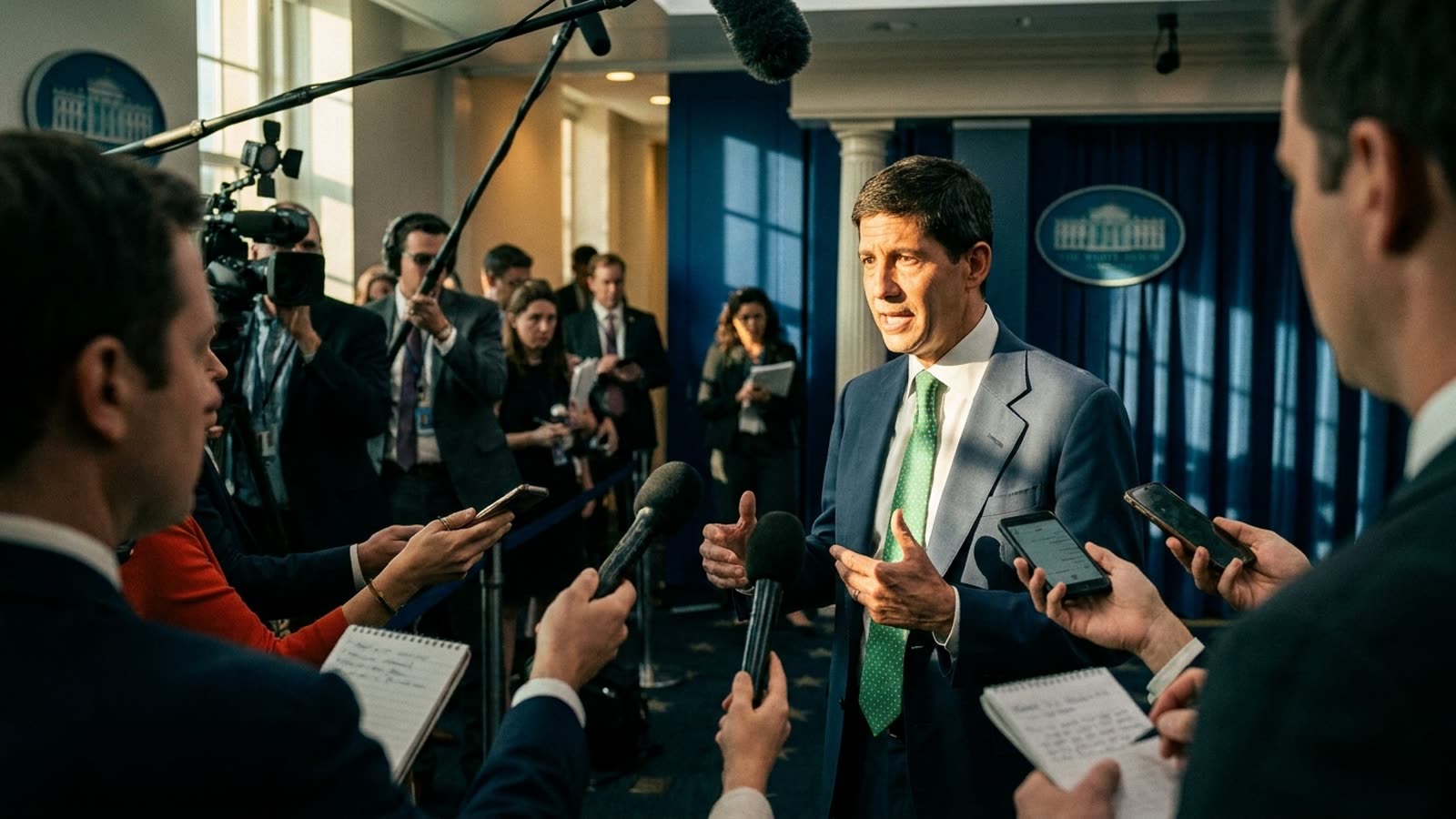
The Federal Reserve convenes this week for Kevin Warsh's inaugural meeting as chairman, and the timing could hardly be more fraught. Inflation remains stubbornly above target, the labor market refuses to crack, oil prices are gyrating on Middle East diplomacy, and the administration that installed him is already signaling impatience with monetary restraint. Warsh must now demonstrate whether he can preserve the Fed's credibility while navigating political crosswinds that would have tested even his most storied predecessors.
Warsh, who served as a Fed governor during the 2008 financial crisis before departing to critique the institution's post-crisis policies from the outside, returns to a central bank transformed. The balance sheet remains bloated by historical standards, forward guidance has become a high-wire act, and markets parse every syllable of every statement for hints of dovish pivot. His hawkish reputation precedes him, but reputation is cheap currency when the president who nominated you spent years demanding lower rates.
The inflation puzzle persists
Core PCE—the Fed's preferred gauge—has hovered in the mid-threes for months, well above the 2 percent target that policymakers have spent years insisting is non-negotiable. Services inflation, driven by wages and shelter costs, shows no sign of capitulating. The Iran deal has introduced a new variable: oil prices dropped sharply on ceasefire optimism, which could ease headline inflation but also complicate the Fed's messaging about underlying price pressures. Warsh must decide whether to treat the oil decline as signal or noise.
The bond market is already placing bets. Treasury yields have oscillated as traders try to divine whether the new chairman will prioritize inflation-fighting credibility or bend toward the administration's growth-first preferences. The yield curve, which had briefly un-inverted on Iran deal optimism, remains a source of anxiety for those who remember what inversion historically portends.
The political tightrope
Warsh's nomination was always a political bargain. The administration wanted someone who could be trusted not to sabotage the economic narrative heading into the next cycle; Warsh wanted the job he'd been angling toward for nearly two decades. Both parties understood the implicit terms. But implicit terms have a way of becoming explicit demands when inflation stays elevated and approval ratings wobble.
The Fed's independence is not a constitutional guarantee—it is a norm maintained by institutional courage and public trust. Warsh's critics worry he lacks the former; his defenders argue he understands the latter better than anyone. This week's statement, press conference, and dot-plot projections will offer the first real evidence of which assessment is correct.
Our take
Warsh is not the chairman the Fed needed, but he is the chairman the Fed got. His task is less about genius monetary policy than about not breaking things that still work. The institution's credibility, painstakingly rebuilt after the inflationary surprises of recent years, is his to steward or squander. If he can resist the gravitational pull of political expediency and let the data guide decisions, he may yet surprise his skeptics. If he cannot, markets will figure it out faster than anyone in Washington would prefer.