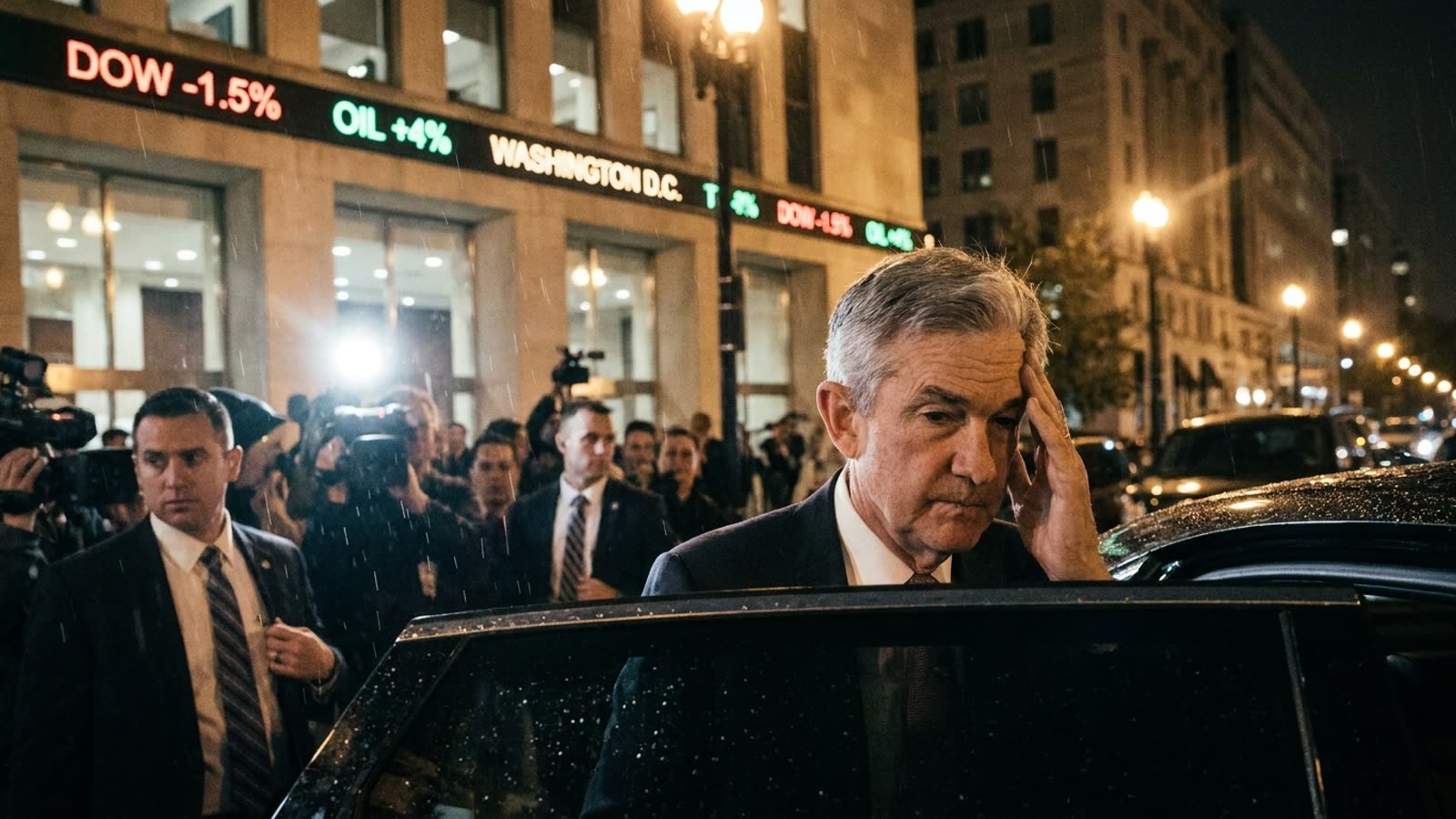
For months, a comforting consensus held that the Federal Reserve would begin cutting rates by mid-2026, easing the squeeze on mortgages, corporate borrowing, and equity valuations alike. That consensus died this morning.
The May Consumer Price Index came in hot — headline inflation above 4% for the first time in three years, driven by an oil shock that shows no sign of abating as tensions with Iran escalate. Core CPI, which strips out food and energy, rose 0.2% month-over-month, slightly softer than feared, but the relief was fleeting. The Fed doesn't set policy on one month's core reading; it sets policy on the trajectory, and the trajectory is ugly.
The oil variable
Crude prices have climbed more than 30% since March, when Iranian-linked strikes on Gulf shipping lanes began disrupting tanker traffic. Gasoline at the pump is now averaging above $4.50 nationally, a threshold that historically correlates with consumer sentiment collapse. The White House has released strategic reserves twice this quarter, but each drawdown buys only weeks of stability. Energy inflation is not transitory when the supply disruption is geopolitical and open-ended.
For the Fed, this creates a textbook dilemma. Demand-driven inflation can be cooled with higher rates; supply-driven inflation cannot. Raising rates further would crush housing and employment without fixing the oil problem. But holding rates steady — or, heaven forbid, cutting — risks unanchoring inflation expectations that took two painful years to re-anchor after the post-pandemic surge.
What markets got wrong
Fed funds futures had priced in nearly 75 basis points of cuts by year-end as recently as April. That pricing has now collapsed to roughly 25 basis points, with the first cut pushed out to December at the earliest. Equity markets, which spent the spring rallying on rate-cut optimism, are recalibrating. The S&P 500 shed more than 2% in early trading before trimming losses; the Nasdaq, heavy with rate-sensitive growth stocks, fell harder.
Bonds tell a starker story. The 10-year Treasury yield has climbed back above 4.5%, and the yield curve remains inverted — a configuration that has preceded every U.S. recession since 1970. The inversion is not a prediction, but it is a warning: monetary policy is tight, and it is staying tight longer than anyone wanted.
Our take
The market's rate-cut fantasy was always built on wishful thinking — the belief that inflation would quietly retreat without a recession, that the Fed could declare victory and pivot to accommodation. Reality is less accommodating. With oil prices hostage to Middle Eastern conflict and core inflation still sticky, the Fed has no good options, only less bad ones. Investors should stop waiting for the cavalry and start pricing in a prolonged period of restrictive policy. The soft landing, if it ever existed, just got a lot harder to stick.