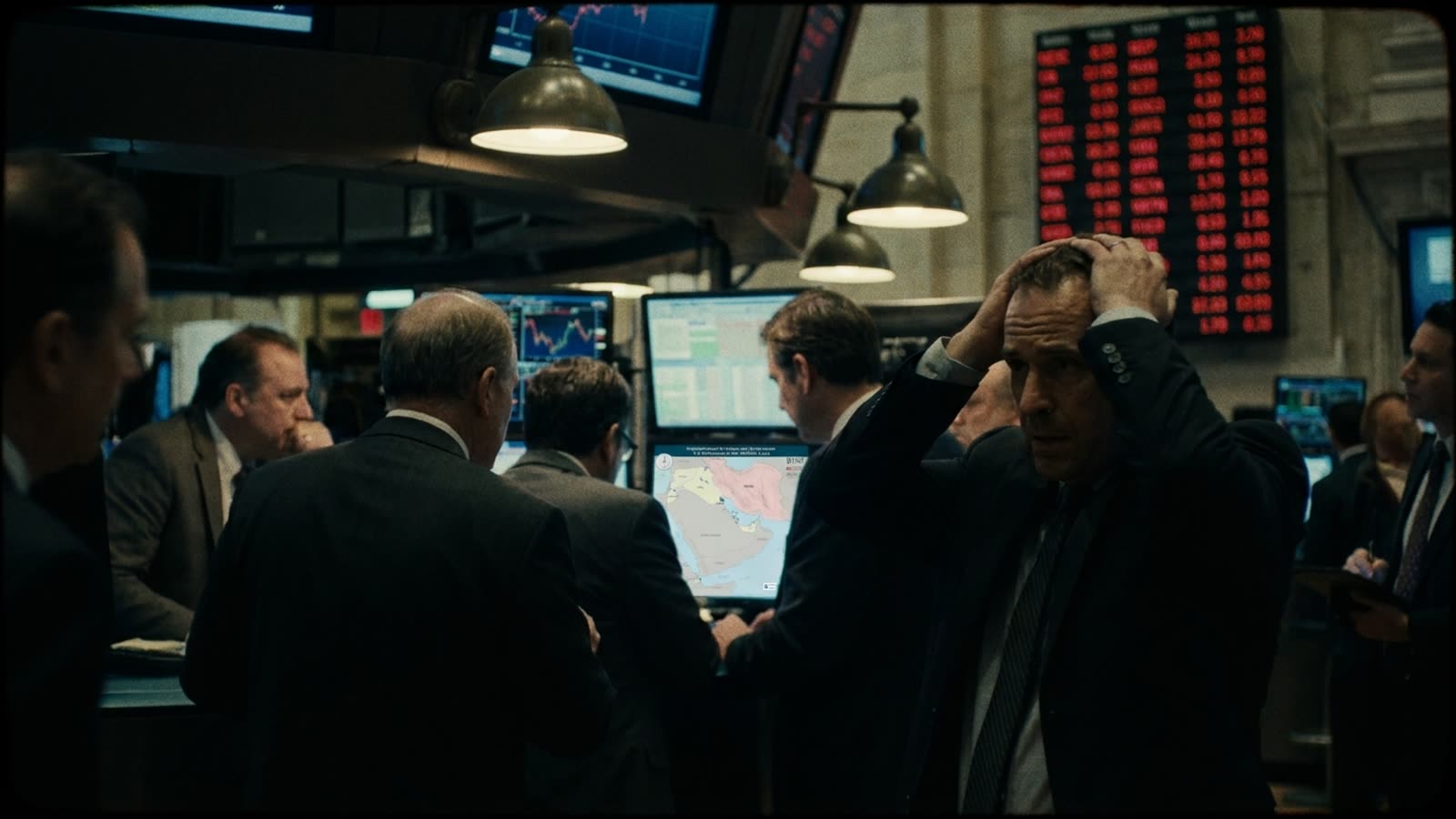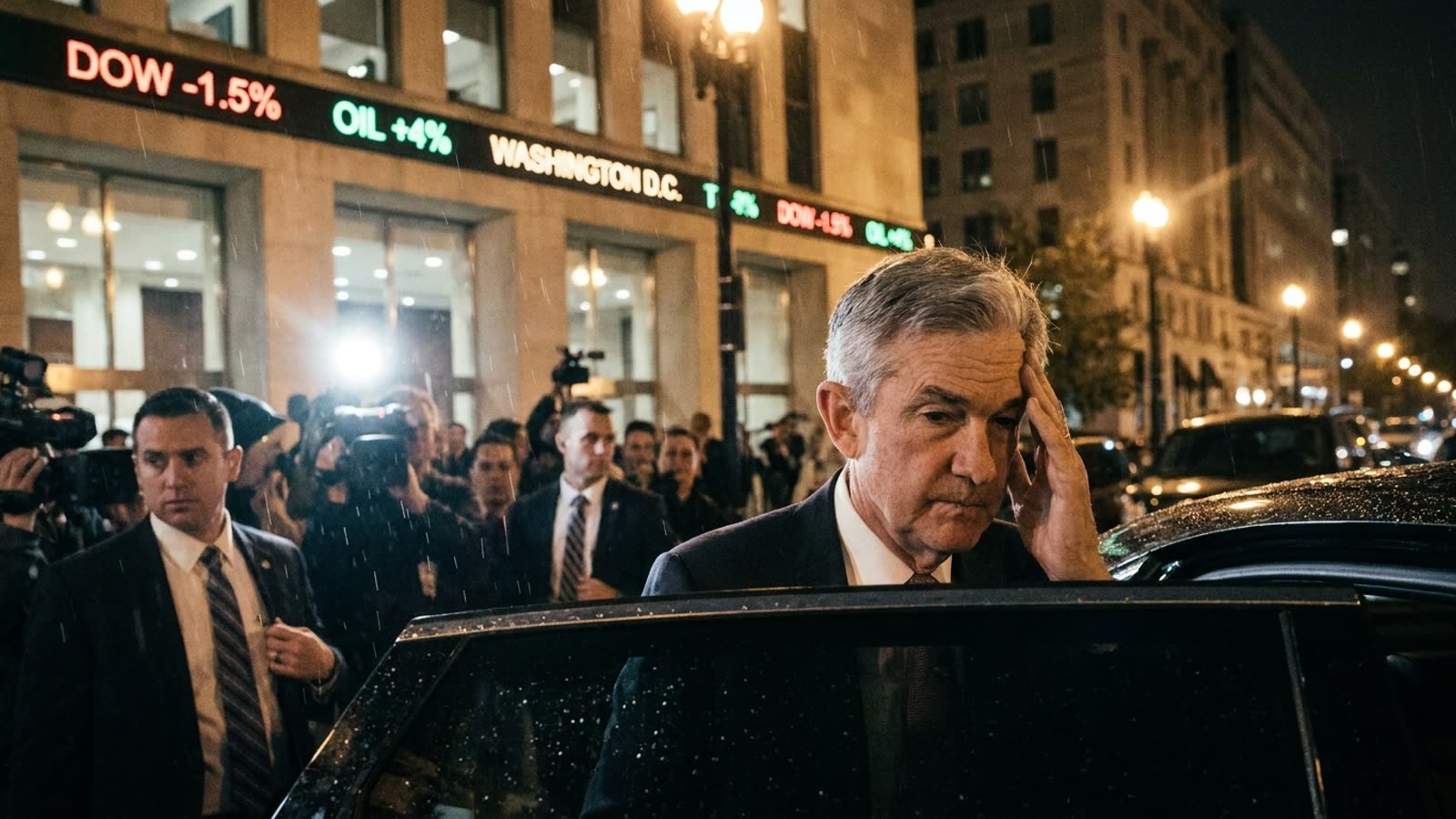
The May consumer-price index released this morning showed headline inflation at 4.1% year-over-year, the highest reading since mid-2023 and a jarring departure from the gentle descent the Federal Reserve had been banking on. Energy costs did most of the damage: gasoline prices climbed sharply after weeks of escalating tensions in the Persian Gulf pushed crude benchmarks toward three-year highs. The print complicates everything Chair Jerome Powell thought he knew about the path forward.
For months, Fed officials have clung to the idea that they could hold rates steady while inflation drifted back toward target on its own. That story now looks quaint. Core CPI—which strips out food and energy—rose a more modest 0.2% month-over-month, offering a sliver of comfort to those who want to believe the spike is transitory. But headline inflation is what voters feel at the pump and the grocery checkout, and headline inflation is what politicians will scream about through the autumn campaign season.
The oil wildcard
The proximate cause is no mystery. Escalating military activity around the Strait of Hormuz has rattled crude markets, and American refiners have passed the cost along with enthusiasm. Energy's share of the CPI basket is modest, but its psychological weight is enormous: nothing reminds households of inflation quite like watching the pump counter spin faster. The White House has limited tools—strategic-reserve releases, diplomatic overtures—but none that can sustainably offset a genuine supply disruption.
The Fed's impossible choice
Powell now faces a textbook supply-shock dilemma. Raising rates would punish an economy that is already showing signs of fatigue in housing and manufacturing, and it would do nothing to produce more oil. Holding steady risks letting inflation expectations drift higher, undermining two years of credibility-building. Markets are pricing in roughly even odds of a quarter-point hike at the July meeting, a dramatic shift from the rate-cut bets that dominated just weeks ago.
Political reverberations
With a presidential election five months away, the timing could hardly be worse for the incumbent administration. Inflation was supposed to be yesterday's problem; instead it is back on the front page. Expect Republican challengers to hammer the point relentlessly, regardless of whether monetary policy or Middle Eastern geopolitics deserves the blame.
Our take
The soft-landing thesis was always more hope than forecast, and today's data is a reminder that exogenous shocks respect no central banker's calendar. Powell's best option may be to do nothing dramatic and pray the oil spike proves short-lived—but prayer is not a policy, and the Fed's credibility premium is thinner than it was a month ago. Buckle up.