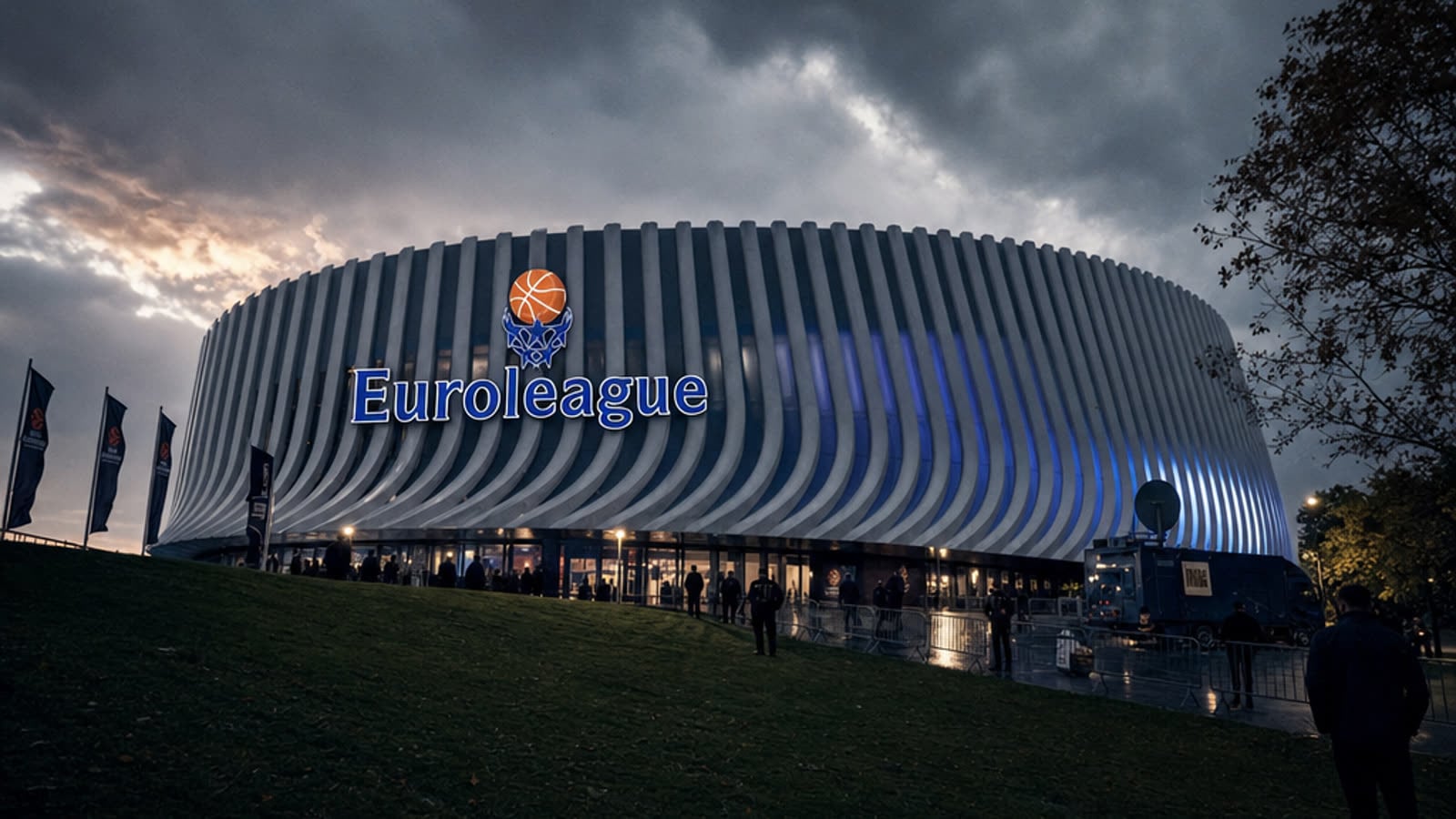
The NBA has spent the better part of two decades trying to crack Europe as more than a talent pipeline and occasional preseason destination. On Monday, Europe cracked back.
EuroLeague member clubs have unanimously rejected an NBA proposal to merge the continent's premier basketball competition into a new entity tentatively branded 'NBA Europe,' according to sources familiar with the negotiations. The decision represents the most definitive rebuff yet of American basketball's expansionist agenda—and suggests that European sports executives remain deeply wary of ceding control to US-based leagues, regardless of the financial incentives on offer.
The offer on the table
The NBA's pitch, which had been in quiet discussion for months, reportedly envisioned a restructured European competition operating under NBA branding and governance. Member clubs would have received significant revenue guarantees and access to NBA marketing infrastructure, broadcast deals, and commercial partnerships. In exchange, the league would have gained scheduling authority, format control, and a permanent foothold in the world's second-largest basketball market.
For the NBA, the logic was straightforward: EuroLeague already features several clubs with NBA-caliber facilities and fan bases, and a branded European arm could serve as both a developmental circuit and a genuine second league. For EuroLeague owners, the calculus proved more complicated.
Why they walked away
The rejection reflects anxieties that extend well beyond basketball. European football has spent years fending off American-style franchise models, and the collapsed Super League project of 2021 remains a cautionary tale about the backlash that follows perceived sellouts to global capital. EuroLeague executives reportedly feared that an NBA takeover—however generously compensated—would eventually subordinate European interests to American ones, from scheduling around NBA timelines to prioritizing content for US audiences.
There is also the matter of identity. Clubs like Real Madrid, Barcelona, and Olympiacos carry histories that predate the NBA itself. Asking them to become subsidiaries of an American entertainment company, even a prestigious one, was always going to be a harder sell than the spreadsheets suggested.
Our take
The NBA's global ambitions are admirable and, in many respects, good for basketball. But this rejection should prompt some reflection in the league office. Europe is not an emerging market waiting to be developed; it is a mature basketball culture with its own traditions, rivalries, and economic logic. If the NBA wants in, it will need to come as a partner, not a parent company. Adam Silver is a patient man. He will get another chance—but only if he learns to read the room.