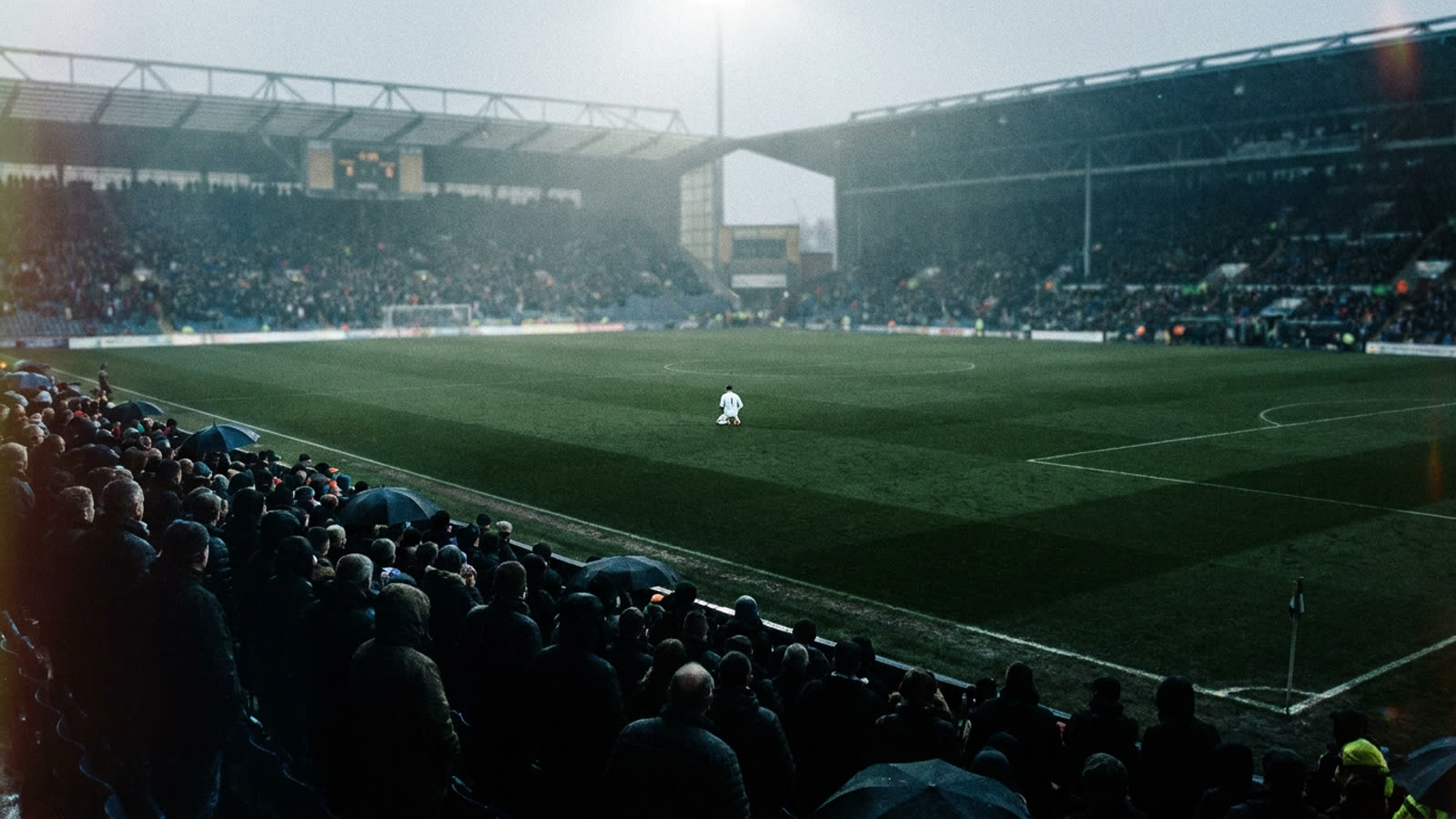
The penalty shootout is football's great lie. We call it a lottery, a coin flip, an unfair way to decide matches that deserve better. This framing is comforting and almost entirely wrong. Shootouts are deeply patterned events where certain nations consistently thrive, others reliably crumble, and the difference often comes down to factors that have nothing to do with technical ability.
Germany's historical shootout record—winning the vast majority of their knockout encounters from the spot—is not luck. England's long record of heartbreak was not mere misfortune. The gap between these outcomes reflects something real about preparation, psychological infrastructure, and institutional memory.
The myth of randomness
At club level, where players face shootout pressure more regularly and teams can drill specific routines, conversion rates hover remarkably high. The apparent randomness emerges primarily at international tournaments, where the stakes are existential, the wait between shootouts can span years, and national narratives accumulate like sediment. A player stepping up in a World Cup quarterfinal carries not just the weight of ninety minutes but decades of cultural expectation.
Research into shootout performance has identified several non-random patterns. The team shooting first wins more often than chance would predict. Players who wait longer between kicks—watching teammates succeed or fail—show measurably different outcomes. The walk from the center circle to the spot takes roughly twelve seconds, enough time for a mind to wander into dangerous territory.
What preparation actually looks like
The nations that excel have typically done unglamorous work. They study opposing goalkeepers obsessively, noting tendencies and patterns. They designate shooters in advance rather than asking for volunteers in the moment. They practice under simulated pressure—crowd noise, fatigue, consequence. Most importantly, they treat the shootout as a skill to be trained rather than a fate to be accepted.
The psychological research suggests that framing matters enormously. Players told they need to score to keep their team alive perform differently than those told they have a chance to win the match. The former framing emphasizes loss; the latter emphasizes opportunity. Elite sports psychologists work to reframe the narrative before players reach the spot.
The goalkeeper's impossible task
Goalkeepers face an information asymmetry that should be insurmountable. A well-struck penalty reaches the goal in roughly four-tenths of a second. Human reaction time means the keeper must essentially guess, committing to a direction before the ball is struck. Yet some goalkeepers consistently outperform probability, suggesting that reading body language, studying kicking patterns, and projecting calm authority all matter at the margins.
The best shootout goalkeepers understand their role is partly theatrical. Delaying tactics, eye contact, small movements designed to plant doubt—these are not gamesmanship but legitimate psychological tools in a contest where milliseconds and millimeters determine glory and despair.
Our take
The penalty shootout deserves better than our lazy fatalism. It is not a lottery but a concentrated examination of how individuals and institutions handle extreme pressure. The nations and clubs that treat it as trainable, studiable, and psychologically manageable tend to win more than their share. Those who shrug and invoke luck tend to lose. Football's most dramatic ritual is also, quietly, one of its most meritocratic—just not in the ways we typically measure merit.