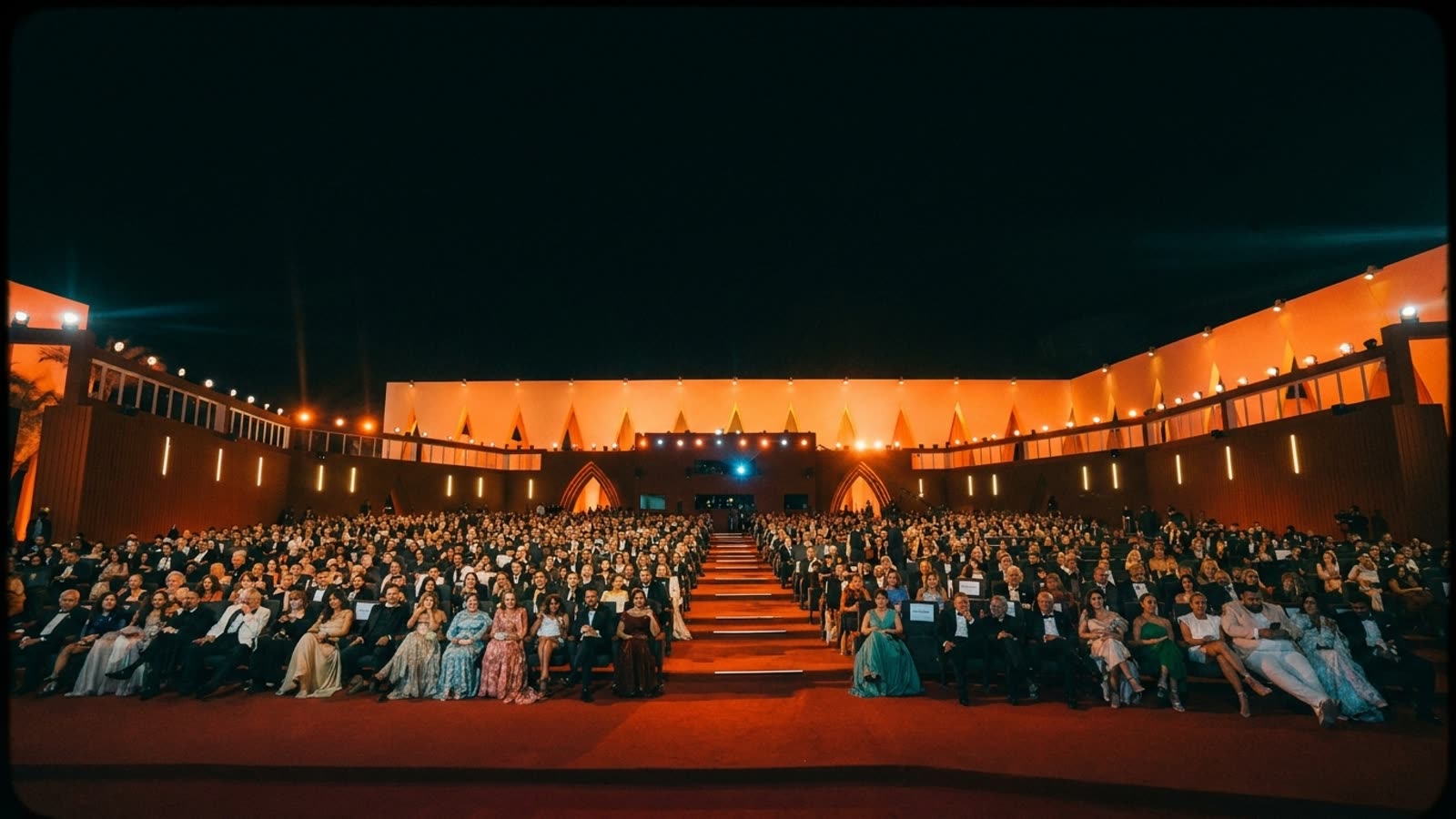
Egypt produces more films annually than any other Arab nation, yet its movies remain stubbornly invisible on the global stage. At the ninth El Gouna Film Festival, which wrapped this week on the Red Sea coast, the conversation among the country's leading producers and directors turned unexpectedly candid: the problem isn't talent, funding, or even censorship. It's scripts and distribution—the unsexy fundamentals that separate a vibrant local industry from an internationally competitive one.
The diagnosis stings because it's self-inflicted. Egyptian cinema has coasted for decades on its dominance of the Arabic-language market, a captive audience of some 400 million speakers who consume Cairo-produced comedies, melodramas, and Ramadan serials with reliable enthusiasm. That regional hegemony has bred complacency. Why invest in the painful development process that turns a decent premise into a world-class screenplay when a familiar star vehicle will recoup its budget domestically?
The Script Problem
Veteran producers at El Gouna pointed to a development culture that remains allergic to rewrites. In Hollywood or European co-production circuits, a screenplay might undergo dozens of drafts across years before cameras roll. In Cairo, the writer-director model still dominates, and financiers are reluctant to fund extended development periods. The result is films that feel half-baked to international programmers—promising concepts undermined by structural slackness or dialogue that doesn't survive translation.
The irony is that Egypt possesses a deep bench of literary talent. The country that produced Naguib Mahfouz has no shortage of stories. What it lacks is the industrial apparatus—script editors, development executives, structured workshops—that transforms raw material into exportable narrative.
Distribution's Missing Links
Even when a strong Egyptian film emerges, it struggles to find screens beyond the Gulf and North Africa. The major streaming platforms have made selective Arabic-language acquisitions, but their algorithms favor proven international IP over regional cinema. Meanwhile, Egypt's theatrical distributors remain focused on maximizing domestic returns rather than building the festival-to-arthouse pipeline that has served South Korean and Iranian cinema so well.
Some younger producers are experimenting with co-production treaties that mandate European distribution partners, but these deals remain exceptions. The infrastructure for subtitling, international sales agents, and coordinated festival strategies is nascent at best.
Our take
Egyptian cinema's introspection at El Gouna is overdue and welcome. The industry has spent too long congratulating itself on regional supremacy while watching South Korea, Iran, and even Saudi Arabia's nascent film sector attract global attention. The fixes are neither glamorous nor cheap: pay writers properly, embrace the rewrite, and build distribution relationships that extend beyond the Arabic-speaking world. Egypt has the stories. Now it needs the patience to tell them right.